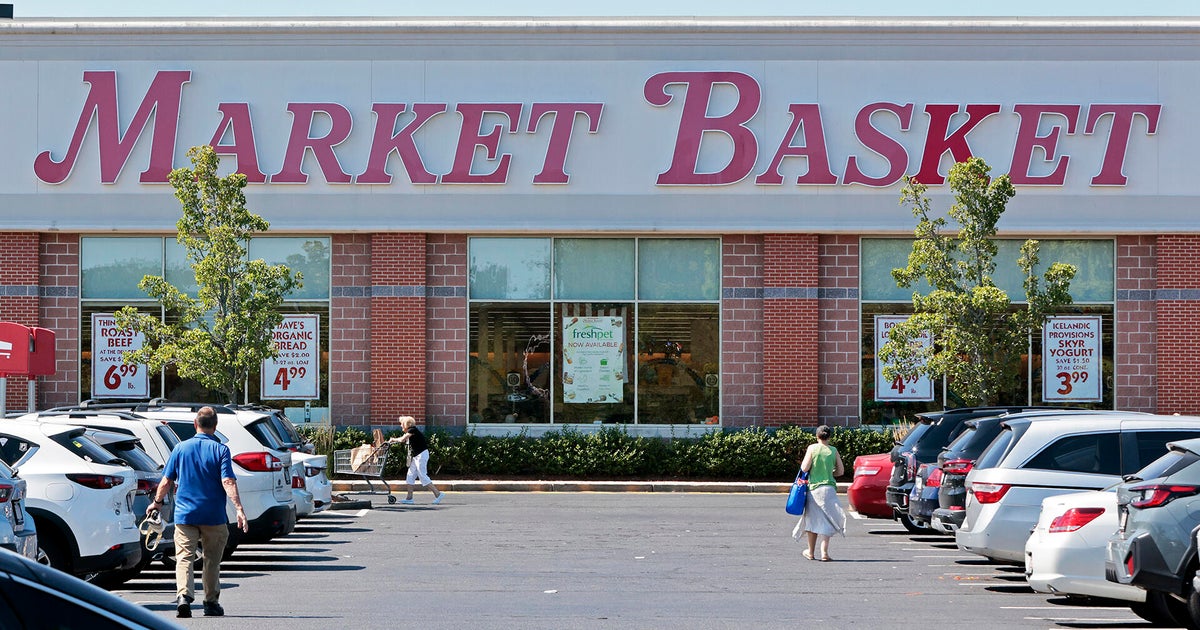
Market Basket named Chuck Casassa as its new president after a court upheld the firing of former CEO Arthur T. Demoulas. Interim CEO Don Mulligan is retiring, while the board has not yet identified a successor for the CEO role. The article centers on leadership changes and a long-running family legal dispute, with limited direct market impact beyond governance.
The immediate market read is not about a grocery operator in isolation; it is about governance de-risking. Removing a dominant founder figure and installing a field operator with deep store-level credibility should reduce the probability of another labor/customer disruption event, which is the real earnings killer in this model. The second-order benefit is on vendor confidence: suppliers tend to extend better terms and prioritize inventory flow when they believe operational command is centralized and predictable.
The bigger swing factor is that the equity value of a private, family-controlled retailer is usually dominated by a control discount, not near-term margin math. If the board can demonstrate a stable operating cadence over the next 1-2 quarters, the discount on any implied transfer, recap, or eventual monetization could compress meaningfully. The risk is that the legal victory creates a false calm: if legacy shareholders remain adversarial, management distraction can persist even with a cleaner org chart.
From a competitive standpoint, the beneficiary set is regional grocers and wholesalers that compete on service consistency rather than headline price. A prolonged internal truce at Market Basket would make it harder for rivals to win share through disruption arbitrage, but a renewed labor flare-up would quickly reverse that and push baskets toward discounters. The most important catalyst is not the court ruling itself; it is whether the new leadership can avoid symbolic missteps over the next 30-90 days that would re-activate employee loyalty risk.
Consensus is likely underestimating how much this business depends on trust capital with associates. If the new president is viewed internally as a continuity choice rather than a political compromise, the downside tail narrows sharply; if not, the company could still suffer a slow-motion talent drain in store management over 6-12 months. The market should treat this as a governance reset with asymmetric upside in stability, not as a clean victory lap.
AI-powered research, real-time alerts, and portfolio analytics for institutional investors.
Request DemoOverall Sentiment
neutral
Sentiment Score
0.05
