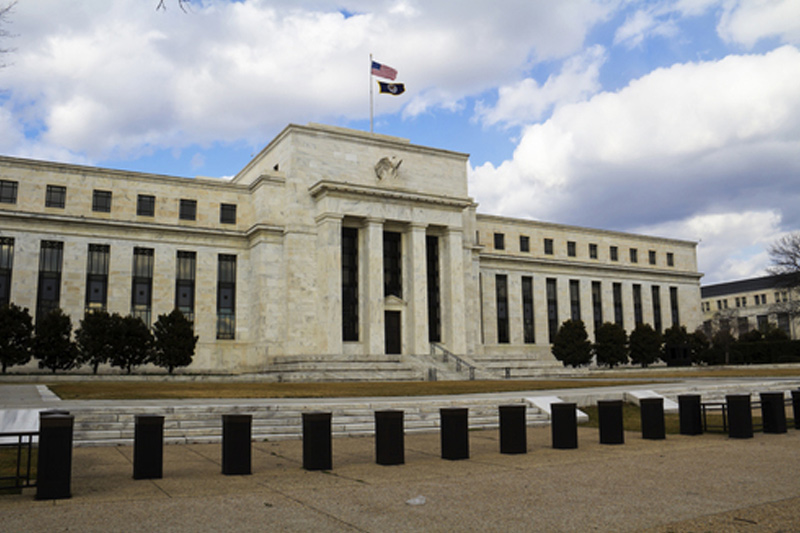
Central banks across the G-7 are expected to hold rates steady this week, but the article highlights rising inflation risk from persistent volatility at the Strait of Hormuz, which handles roughly 20% of global oil and LNG flows. The U.S.-Iran conflict is driving higher input costs and could push euro-zone inflation toward 3%, keeping policymakers hawkish and limiting the odds of near-term easing. The geopolitical backdrop creates a broad market risk-off overhang across rates, energy, and global growth expectations.
The market implication is not the immediate oil headline; it is the growing probability that central banks are forced to remain tighter for longer even if growth softens. That combination is usually most painful for long-duration equities and levered business models: discount rates stay elevated while input costs and working capital needs rise, compressing margins from both ends. The secondary winner is the defense/infrastructure complex tied to energy security, while the broader loser set extends beyond airlines and transports to any software or hardware platform with supply chains exposed to Asia-to-Europe routing friction.
For SMCI and APP, the direct read-through is not crude beta but multiple sensitivity. If yields stay sticky and risk appetite de-rates, SMCI’s hardware narrative is vulnerable because the market has been paying for growth durability and capital intensity tolerance; that premium can unwind quickly if forward EPS revisions flatten. APP is less balance-sheet fragile, but ad budgets are one of the first line items businesses trim when energy inflation bleeds into consumer demand, so the second-order effect is a slower monetization curve rather than an outright demand collapse.
The contrarian angle is that geopolitical inflation shocks often look most damaging right after the first move, but the actual equity damage can be shallow if the shock stays localized and central banks remain credible. If the Strait disruption does not broaden into a sustained supply removal, the trade may be overpricing a long inflation regime that never fully materializes. In that case, duration-sensitive growth could rebound sharply once rates expectations stop ratcheting higher, making this a volatility event more than a secular regime shift.
The key catalyst window is days-to-weeks for rates volatility and oil, but 1-3 months for earnings estimate revisions and consumer-spend elasticity. Watch for any sign that policymakers separate headline energy inflation from second-round effects; that would relieve the worst part of the multiple compression and force crowded macro shorts to cover. Conversely, a rapid move in breakevens or freight rates would confirm the market is underestimating how quickly this spreads into margins.
AI-powered research, real-time alerts, and portfolio analytics for institutional investors.
Request DemoOverall Sentiment
mildly negative
Sentiment Score
-0.20
Ticker Sentiment
