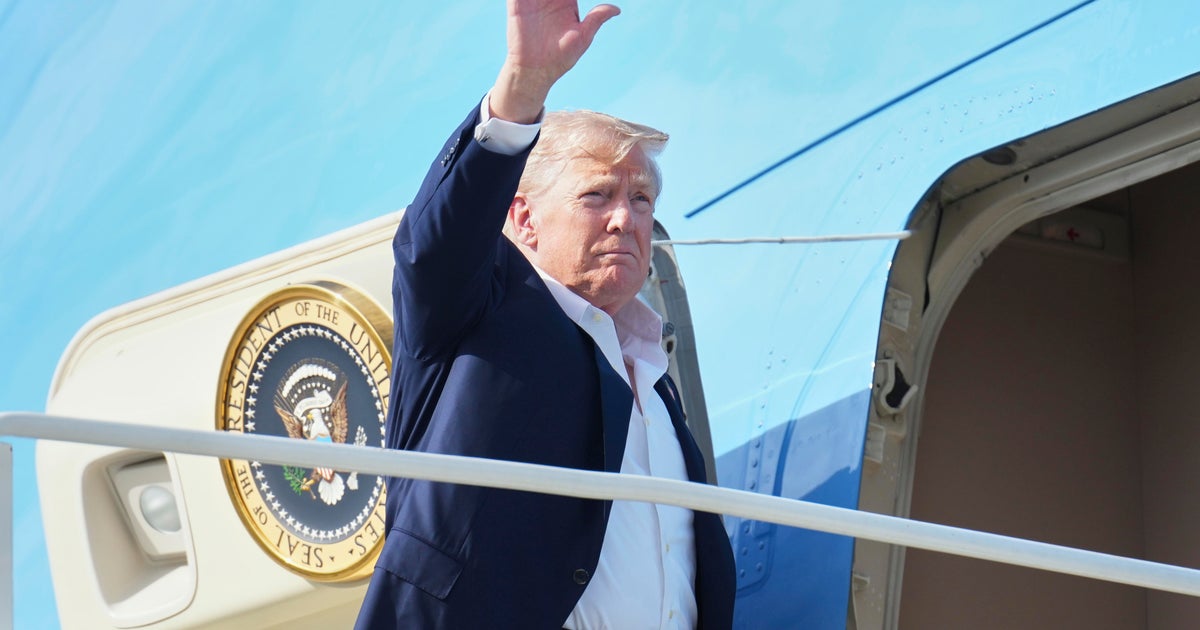
President Trump has issued a new 10-day deadline for Russia to agree to a ceasefire with Ukraine, shortening his previous 50-day window, or face secondary sanctions. If no agreement is reached by August 8th, the U.S. will impose tariffs, potentially up to 100%, on goods from countries that conduct business with Russia. This accelerated timeline reflects Trump's increasing frustration with Russia's continued aggression and signals a significant escalation in potential economic pressure on Moscow and its trading partners.
The U.S. administration has significantly escalated its economic pressure on Russia by shortening the deadline for a ceasefire agreement in Ukraine from 50 days to a mere 10 days, with a new deadline of August 8th. The punitive measure threatened is the imposition of secondary sanctions, specifically tariffs of up to 100% on goods sold by countries that continue to do business with Russia. This marks a material shift in U.S. policy, expanding the potential economic impact beyond Russia to its global trading partners. The decision stems from President Trump's expressed frustration with a lack of diplomatic progress and his growing skepticism regarding Russian President Putin's commitment to peace. The situation introduces considerable geopolitical uncertainty, as reflected in the moderately negative sentiment and the President's own admission that the tariffs "may or may not" be effective, creating a volatile environment for global trade and supply chains.
AI-powered research, real-time alerts, and portfolio analytics for institutional investors.
Request DemoOverall Sentiment
moderately negative
Sentiment Score
-0.50
