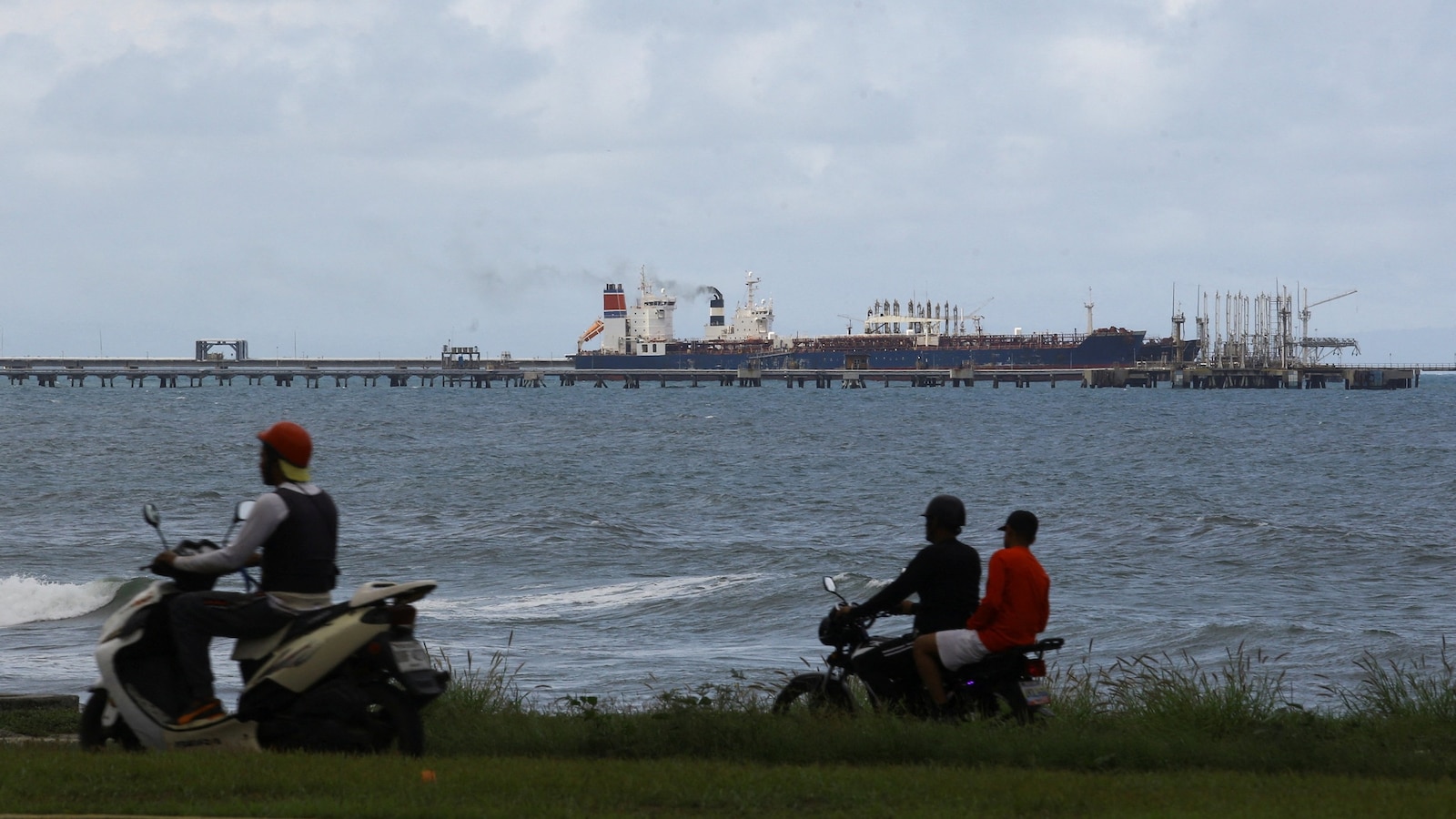
The Trump administration has told Venezuela its interim authorities must expel China, Russia, Iran and Cuba and sever economic ties, then agree to partner exclusively with the U.S. on oil in order to resume exports; officials say Venezuela may have only weeks before financial insolvency. The plan envisions U.S. control of tankers and oil flows, with President Trump stating 30–50 million barrels would be turned over to the U.S. to be sold at market prices, and includes threats of a blockade of sanctioned tankers—measures that could materially disrupt heavy crude flows and introduce near-term price and geopolitical risk.
Market structure: Forcing Venezuela to reroute or surrender 30–50m barrels (equivalent to ~500k–830k bpd if sold over 60 days) shifts heavy-sour availability and tanker flows. Short-term winners: US Gulf Coast heavy-crude refiners (VLO, MPC, PBF) and VLCC owners; losers: sanctioned buyers (China/Russia partners), Venezuelan creditors and any insurers/shipowners hit by secondary sanctions. Expect widened heavy-light differentials and higher freight rates; FX/EM risk-off should push USD stronger and EM spreads wider. Risk assessment: Tail scenarios include military escalation or retaliatory sanctions that could spike Brent/WTI >$20 in days and freeze tanker insurance (high-impact, low-probability). Immediate (days): tanker and oil-volatility shock; short-term (weeks–months): refinery feedstock reallocation and legal fights over seized cargoes; long-term (quarters–years): reconfigured trade lanes and permanent risk premia on heavy barrels. Hidden dependencies: P&I club insurance, flagging/registry legalities, and downstream refinery crude blends. Trade implications: Tactical moves favor short-dated oil volatility plays and equity exposure to refiners and tanker owners; expect refined product cracks to oscillate as Venezuelan heavy is monetized or blocked. Implement options to express a directional spike while hedging downside from a negotiated sale to open market. Monitor ship AIS, tanker charter rates (Baltic/TC indices) and State/ Treasury announcements as decision triggers. Contrarian angles: The market may underprice months-long operational frictions—legal/insurance barriers could keep Venezuelan heavy offline for >3 months, tightening margins more than headline crude prices suggest. Conversely, an orderly US resale of 30–50m barrels could temporarily depress prices and hurt E&P names; size positions small and use explicit stop-loss/volatility hedges. Historical analogy: Gulf blockade episodes show outsized winners in tanker equities and refiners with coking assets, not majors.
AI-powered research, real-time alerts, and portfolio analytics for institutional investors.
Request DemoOverall Sentiment
moderately negative
Sentiment Score
-0.45
