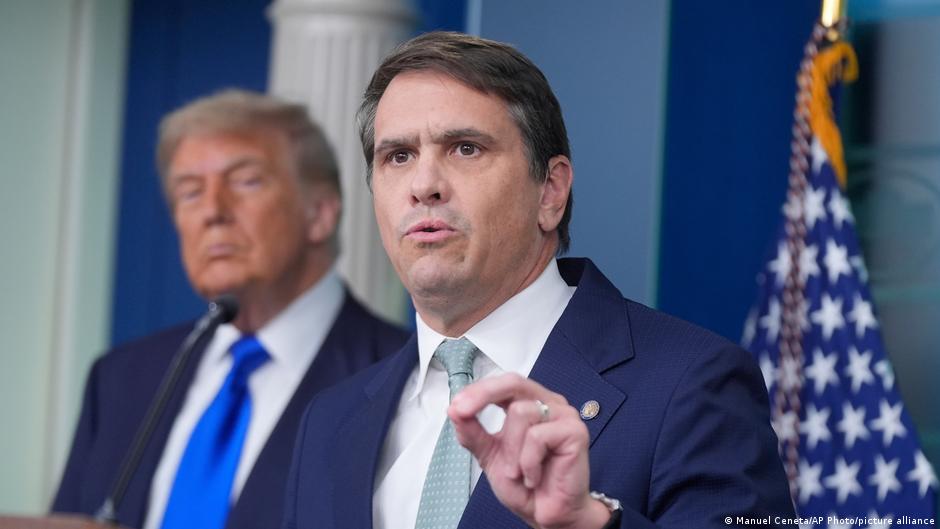
A US judge temporarily blocked the Trump administration's $1.776 billion 'anti-weaponization' fund, barring further action while the court considers additional arguments. The fund, created through a Justice Department settlement in Trump's IRS lawsuit, has drawn criticism over legal basis, oversight, and the potential to reward political loyalists. A further hearing is scheduled for June 12, keeping the program frozen for now.
This is less about the money already earmarked than about the precedent: if a politically directed compensation pool survives, it creates a template for off-budget redistribution through legal settlements rather than appropriations. That would be structurally negative for governance-sensitive assets because it raises the odds of future earmarks, higher headline fiscal volatility, and more litigation over executive authority. The near-term market impact is muted, but the second-order effect is a higher regulatory discount applied to entities exposed to federal contracting, compliance scrutiny, and politically sensitive enforcement actions.
The immediate winners are not obvious equity beneficiaries; the real beneficiaries are legal challengers, congressional appropriators, and any asset class that trades on institutional credibility. A prolonged freeze would also force the administration to find alternative channels if it wants to reward aligned constituencies, which likely increases execution friction and delays any cash flow to those targets by months. If the injunction is overturned, the signal matters more than the dollars: it would embolden similar structures, increasing the probability of additional headline shocks and coalition-driven policy risk into the 2026 election cycle.
The contrarian read is that the event is overweighted by policy-watchers relative to its direct economic size, so any knee-jerk risk-off move in broad indices should fade quickly. The better expression is in political-volatility hedges and governance screens, not macro beta. The catalyst window is tight: the next two weeks around the hearing and any procedural appeal should keep this live, but absent escalation the market likely re-prices it back to a low-probability constitutional story rather than a budgetary one.
AI-powered research, real-time alerts, and portfolio analytics for institutional investors.
Request DemoOverall Sentiment
mildly negative
Sentiment Score
-0.15
