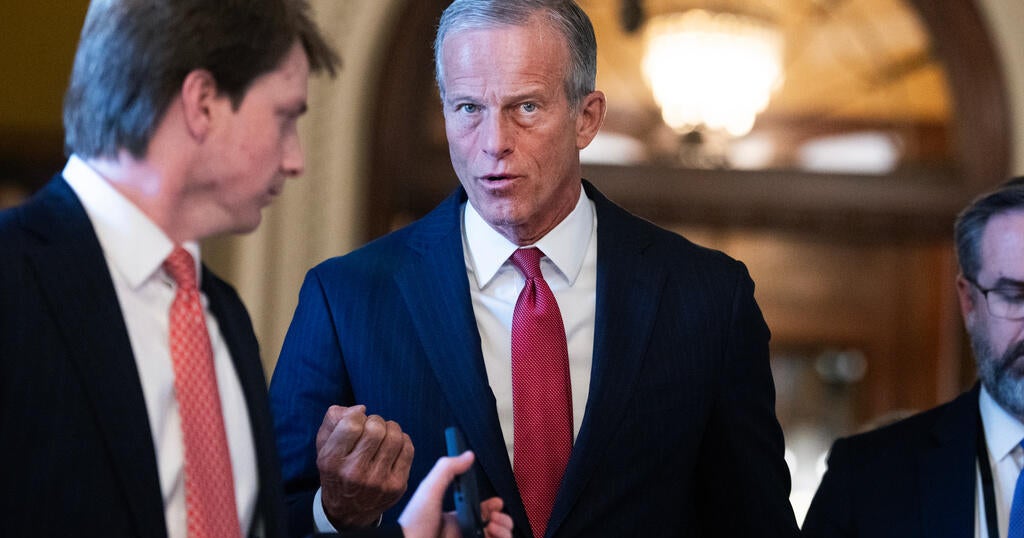
The Senate has begun a vote-a-rama on a budget reconciliation plan that would authorize up to $70 billion each for the Judiciary and Homeland Security committees, with the final bill expected to total about $70 billion to fund ICE and parts of CBP. Democrats lack the votes to block the plan, while Republicans are using reconciliation to bypass the 60-vote threshold and extend funding through more than three years. The standoff has already contributed to DHS remaining shut down, with agency funding expected to run dry next month absent a deal.
This is less a spending headline than a sequencing event for political risk into year-end. The market implication is that immigration enforcement funding is becoming a durable policy priority with a multi-year runway, which raises the probability of larger federal outlays, procurement acceleration, and a higher baseline for contractor revenue visibility. The second-order effect is not just more dollars, but less funding volatility for vendors exposed to detention, surveillance, logistics, and border infrastructure, which tends to compress the discount rate investors apply to those cash flows.
The more interesting dynamic is timing: reconciliation reduces execution risk but does not eliminate appropriations and implementation risk, so the near-term catalyst is committee markup and House alignment, while the medium-term catalyst is contract awards and obligated spend. That creates a staggered setup where equities with existing DHS exposure can rerate on policy certainty before revenue actually shows up, but the strongest fundamental upside likely lands 2-4 quarters later as backlog converts. Any delay in House passage or a procedural hitch around reconciliation would mainly hit sentiment, not the underlying spending trajectory.
The broader market read-through is a mild headwind for deficit sensitivity and a modest tailwind for defense, security technology, and border infrastructure names. The contrarian point is that investors may be underestimating how much of this is already baked into “policy premium” trades; the cleaner alpha is likely in second-tier contractors and integrators with underappreciated DHS mix, where consensus still models flat budgets. If the bill becomes more expansive than expected, the beneficiaries will be the picks-and-shovels vendors rather than the headline primes.
AI-powered research, real-time alerts, and portfolio analytics for institutional investors.
Request TrialOverall Sentiment
neutral
Sentiment Score
-0.05
