




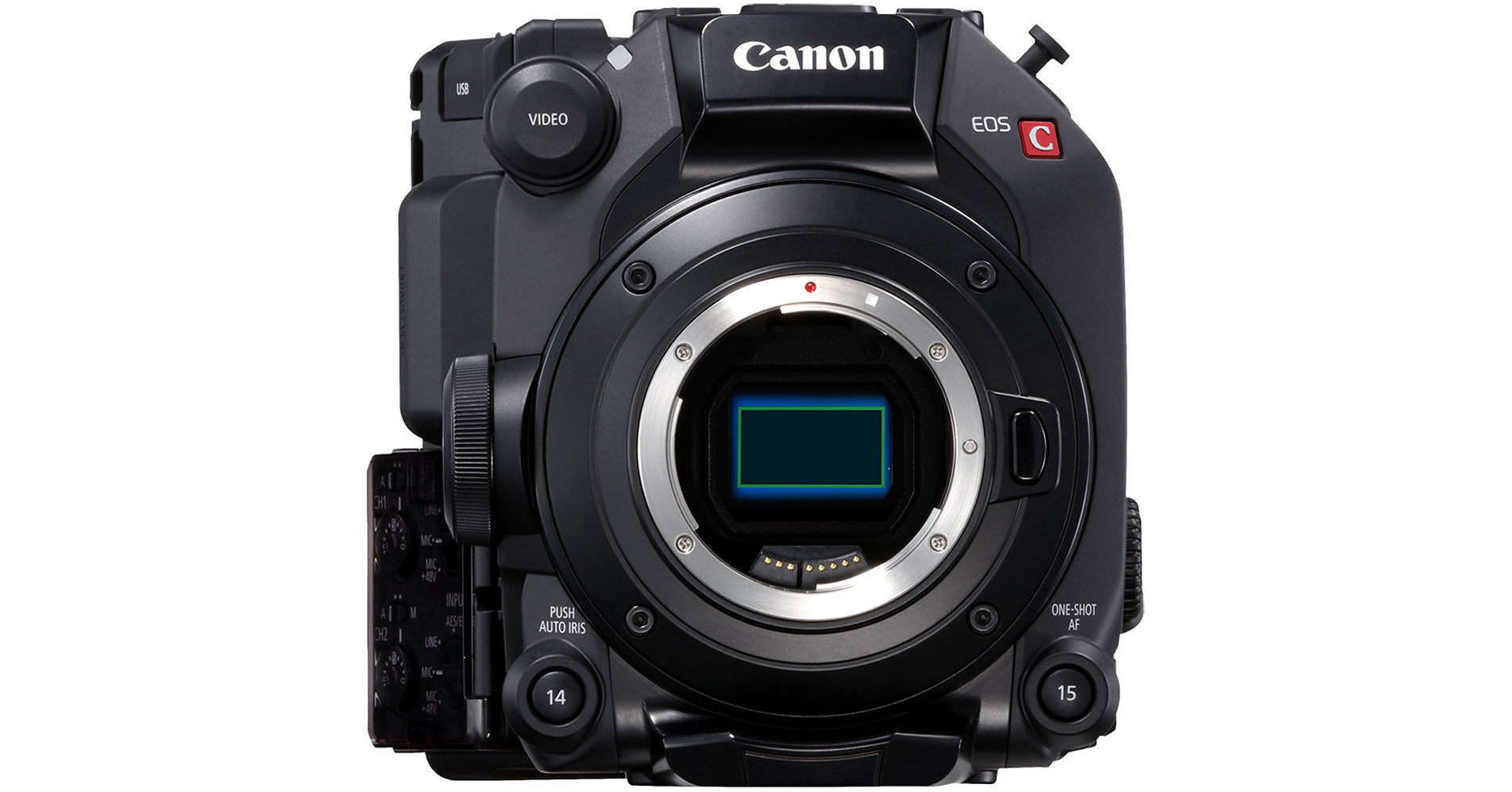
Canon’s EOS C300 Mark III is positioned as a new professional cinema camera featuring its Dual Gain Output (DGO) sensor for improved dynamic range and low-light performance, plus recording specs like 4K 120p (2K crop 180p HDR) and Cinema RAW Light/XF-AVC H.264 support. The article also highlights a limited-time instant savings promotion via B&H (including Payboo credit card special financing), framing the offer as an upgrade/expansion opportunity for production kits.
This reads more like channel marketing than an investable earnings catalyst. A limited-time discount on a niche cinema body can pull forward purchases from rental houses, independents, and boutique production firms, but the second-order effect is usually margin dilution in the near term rather than meaningful unit acceleration unless it clears a backlog or signals a new product cycle. The real beneficiaries are accessory attach rates and adjacent workflow vendors — lenses, media, batteries, monitors, and editing/storage hardware — but those are fragmented and mostly private, so the public-market read-through is thin.
If CAJPY is the relevant Canon proxy, the key question is whether the promotion is demand creation or inventory management. In this category, price cuts often compress gross margin before they show up in reported revenue, and the benefit can be reversed quickly if used inventory or competing mirrorless bodies substitute for new purchases. Over 1-3 months, the catalyst path is sell-through data from dealers; over 6-18 months, the structural issue is whether dedicated cinema cameras retain share versus less expensive hybrid cameras and smartphone-led production workflows.
Contrarian view: the market will likely overestimate the signaling value of a single promo. For public comps, the news is too small to justify a thesis in either direction absent evidence of broader channel restocking, stronger rental demand, or follow-on corporate guidance. The only real tradeable setup would come from proof that this discounting is a precursor to a wider refresh cycle or, conversely, that it is a margin-defense move amid soft demand.
AI-powered research, real-time alerts, and portfolio analytics for institutional investors.
Overall Sentiment
mildly positive
Sentiment Score
0.15
Ticker Sentiment
