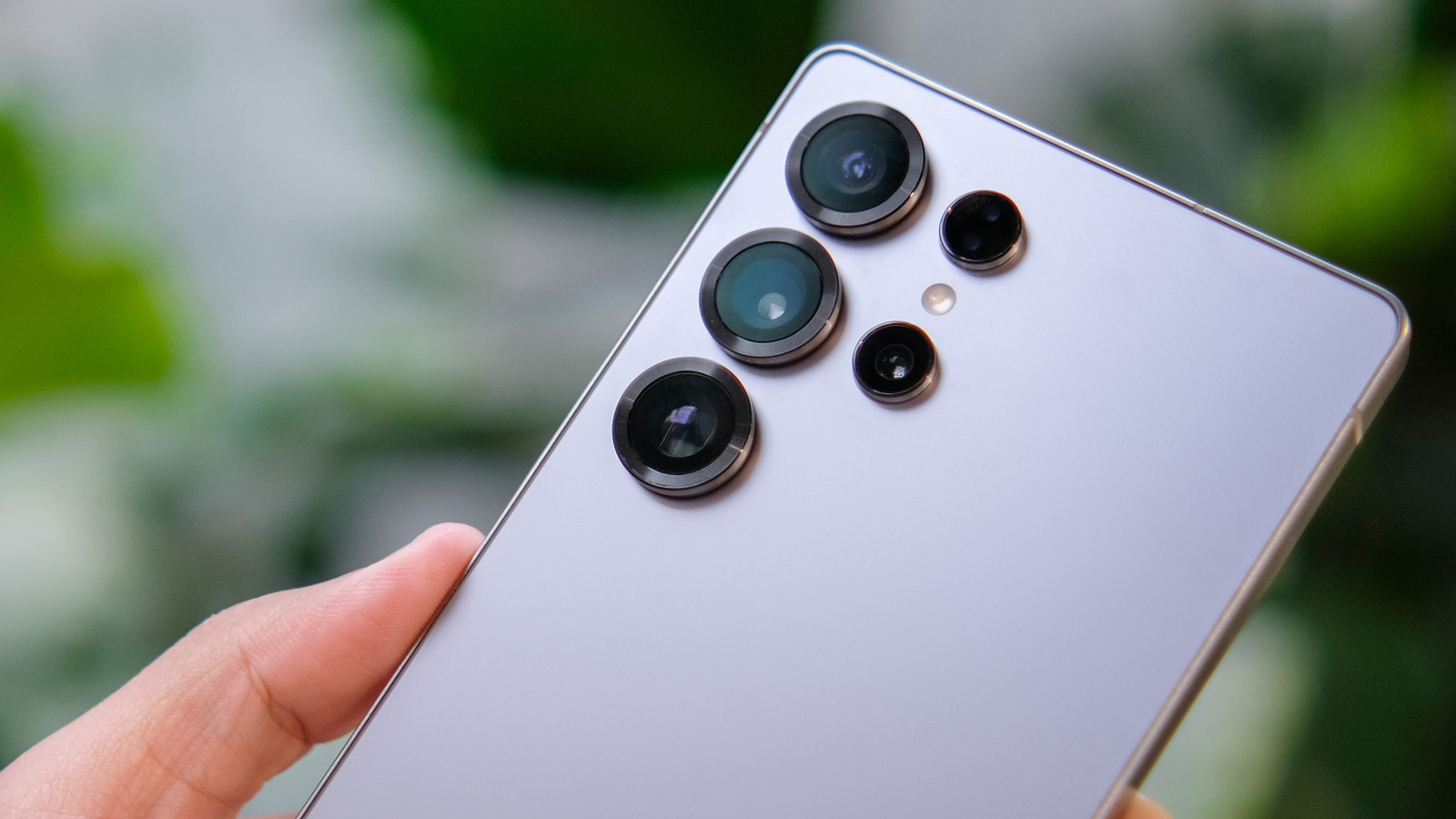
Samsung is expanding its Camera Assistant feature to 20 additional devices, including Galaxy A34/A35/A36/A37, M34/M35/M36, and multiple Galaxy Tab S8, S9, and S10 models, via One UI 8.5. The update gives lower-end and midrange phones access to more camera controls and personalization, though some features may be limited by hardware. One UI 8.5 began rolling out in Korea on May 6, 2026, with additional regions following on May 11.
This is less a near-term handset driver than a software monetization and retention play. By pushing a pro-grade camera layer into the midrange and tablet install base, Samsung is trying to widen the gap between its imaging experience and generic Android OEMs without relying on new silicon cycles; that should modestly improve ecosystem stickiness and reduce defection risk in the A-series/M-series cohorts, which matter more for unit share than flagship prestige.
The second-order winner is not the camera hardware supplier alone, but Samsung’s own platform moat: Good Lock, Galaxy Store, and One UI now behave like an engagement stack that can be upsold over time. That creates a subtle but important pressure on rivals that compete mainly on specs, because feature parity is increasingly determined by software breadth rather than lens count. The likely loser is the low-end Android field, where differentiation compresses further and pricing power erodes.
Near term, the market impact is likely muted unless the rollout correlates with higher activation of premium services or lower churn in key regions. The real catalyst window is 1-2 quarters: if this broadens usage of Samsung’s AI/photo tools, it can support higher accessory and service attach rates and improve upgrade intent into the next flagship cycle. The tail risk is execution friction: if features are visibly throttled on older devices, users may see the update as marketing rather than value, limiting the halo effect.
The consensus may be underestimating how much software distribution can shift perceived quality in a mature hardware category. This is not a camera spec story; it is a loyalty story. If Samsung can make midrange users feel closer to flagship UX, the company strengthens its pricing ladder and makes life harder for Chinese Android OEMs that still compete primarily on value-per-dollar.
AI-powered research, real-time alerts, and portfolio analytics for institutional investors.
Request TrialOverall Sentiment
mildly positive
Sentiment Score
0.20
