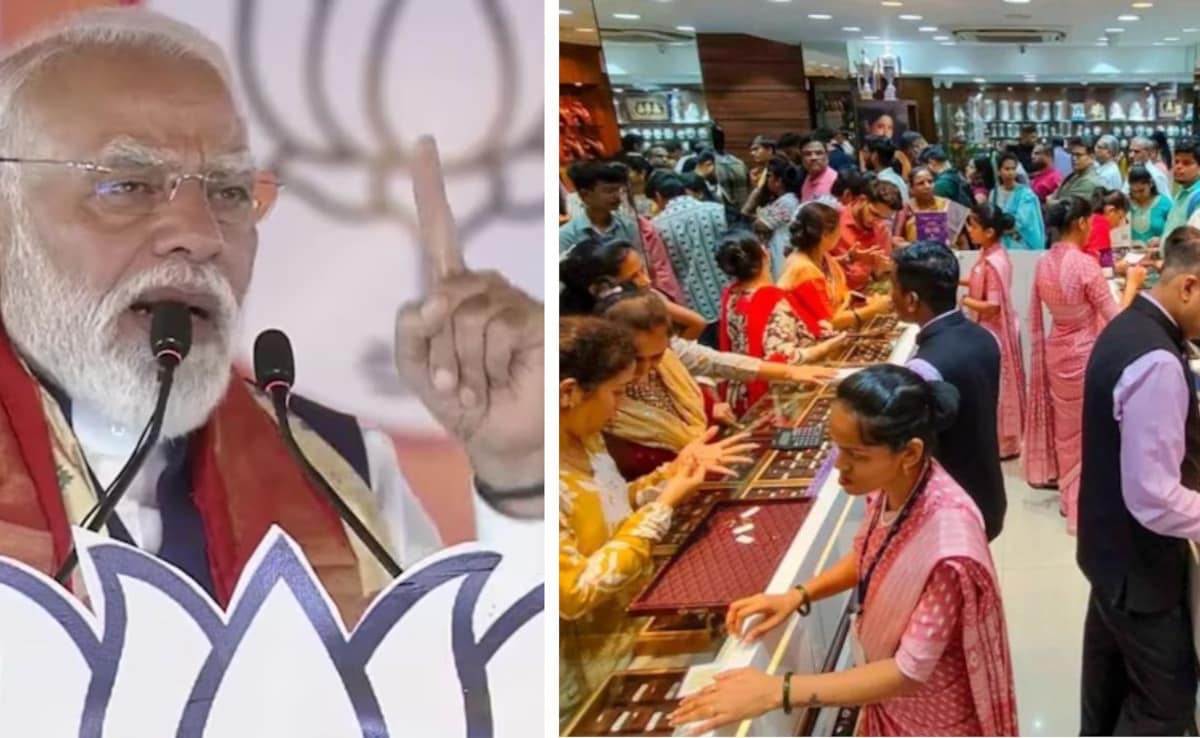
India's forex reserves have slipped to about $690.69 billion from nearly $728 billion in February, while FY26 gold imports reached $72 billion, almost 10% of the $775 billion total import bill. PM Modi's appeal to delay gold buying and foreign travel is aimed at reducing dollar outflows amid a projected $84.5 billion current account deficit, higher oil prices, and rupee pressure from the US-Iran conflict. The message is negative for gold, travel, airlines, hospitality, and fuel-linked sectors, and is intended to ease FX stress rather than signal a growth boost.
The bigger market signal is not “buy less gold,” but a state-backed attempt to reprice household savings behavior away from dollar-demanding hard assets and toward domestic financial assets. If even a modest share of annual physical buying migrates into ETFs, sovereign gold bonds, or mutual fund SIPs, the FX benefit compounds beyond the immediate import bill because the capital stays intermediated through the local system rather than leaking into bullion and jewelry channels. That creates a second-order winner set: domestic asset managers, exchange infrastructure, and organized retail jewelry chains with hedging/financing advantages over informal players.
The near-term losers are more nuanced than just jewelry retailers. High-beta discretionary categories tied to overseas travel, destination weddings, and premium hospitality can see a sentiment air-pocket for 1-2 quarters even if the policy effect is mostly rhetorical, because consumers often front-run social cues from the government. More importantly, this is a marginal signal that the policy mix is shifting toward import compression under external pressure; that raises the probability of ad hoc nudges on other consumer imports if the rupee weakens further, which matters for companies with imported input exposure and weak pricing power.
The contrarian view is that the effect on national FX may be smaller than headline rhetoric implies. Gold demand is culturally sticky and often deferred rather than destroyed, so a one-year appeal may pull demand forward or push it into informal channels without eliminating it. In other words, the real variable to watch is not total gold desire but channel mix and financing costs; if those don’t change, the CAD relief could undershoot expectations while listed beneficiaries only see a brief sentiment bump. The more durable macro trade is on energy: if crude stays elevated for months, any incremental gold restraint is likely to be absorbed by oil import needs rather than translate into a sustained rupee breakout.
AI-powered research, real-time alerts, and portfolio analytics for institutional investors.
Request DemoOverall Sentiment
mildly negative
Sentiment Score
-0.25
