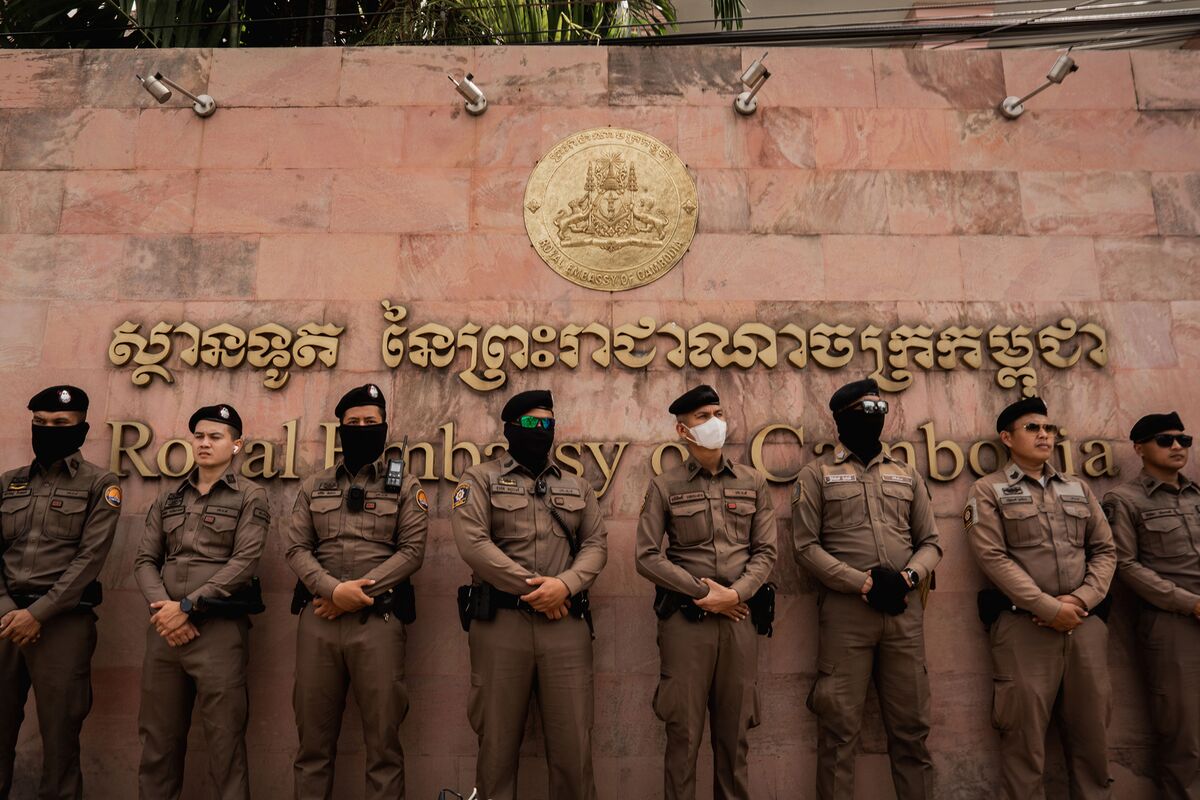
A long-standing border dispute between Thailand and Cambodia has escalated into the deadliest fighting in over a decade, with both sides employing rockets, artillery, and airstrikes for a second consecutive day. This resurgence of conflict, rooted in unresolved early 20th-century treaty issues, signifies heightened geopolitical instability in Southeast Asia.
A long-standing border dispute between Thailand and Cambodia has escalated into the most severe military conflict in over a decade, marked by two consecutive days of engagement involving rockets, artillery, and airstrikes. The conflict's root in unresolved early 20th-century treaties suggests a deep-seated issue that may not be easily resolved, introducing significant and acute geopolitical instability into the Southeast Asian region. The "strongly negative" sentiment and "volatile" tone associated with this event underscore the market's concern. While no specific corporate entities are mentioned, the fighting directly threatens economic stability and investor confidence in both nations, with potential spillover effects on regional trade and security dynamics.
AI-powered research, real-time alerts, and portfolio analytics for institutional investors.
Request DemoOverall Sentiment
strongly negative
Sentiment Score
-0.70
