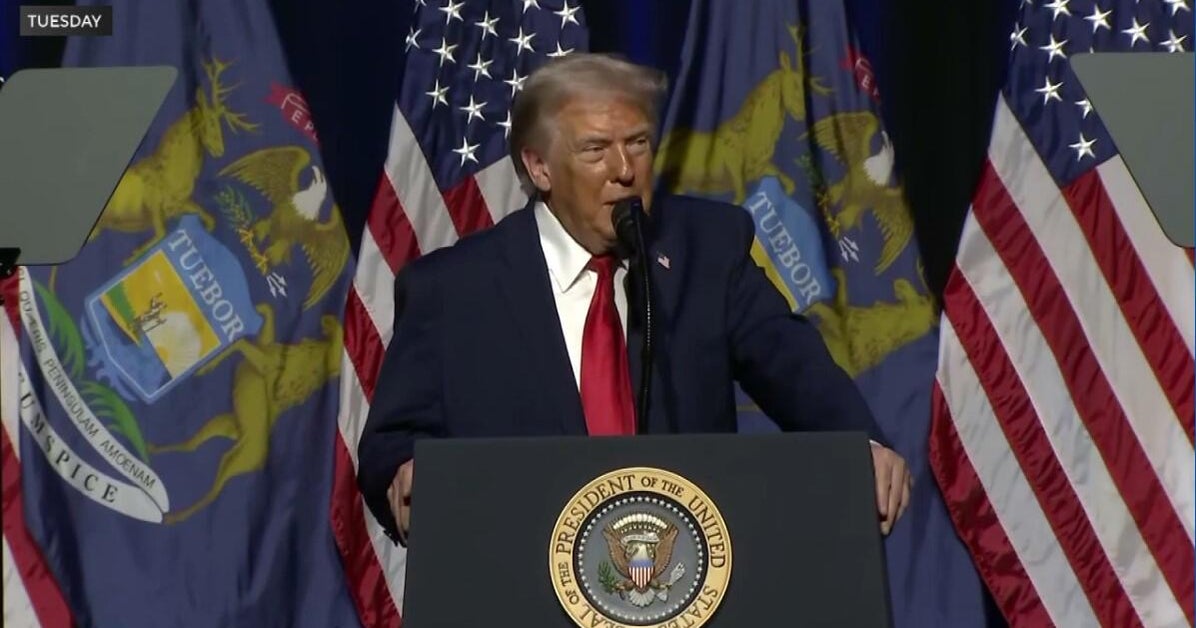
President Trump announced an intent to withhold federal payments to jurisdictions labeled as 'sanctuary' beginning February 1, targeting specific grant programs such as public health, transportation and public safety funds. A prior federal court blocked an earlier funding cut, and legal experts expect cities to mount challenges again, while administration officials appear to be shifting to more discretionary grants that may be easier to withhold; some local clinics report funding already stopped. The move increases fiscal uncertainty for affected municipalities and could disrupt grant-funded services and projects, though broad market implications are limited unless litigation or wider federal actions materially change municipal cash flows or credit profiles.
Market structure: Targeted withholding of federal grants benefits national federal contractors and Treasury beneficiaries while hurting municipal issuers (Chicago, other sanctuary cities), community health providers, and local transit contractors. Expect localized demand destruction for municipal-funded capex reducing near-term muni issuance appetite and widening credit spreads by 20–75 bps for affected credits over 1–3 months; Treasuries should outperform municipals on a relative basis.
Risk assessment: Tail risks include a legal failure that allows broad withholding, producing concentrated defaults in weaker muni credits (low probability, high impact) and a 100–300 bps spread shock to city-specific GO/revenue bonds within 3–12 months. Immediate (days) liquidity pressure for clinics; short-term (weeks) judicial rulings; medium-term (quarters) budget reallocation and state backstops are key second-order drivers; watch Medicaid/federal matching flows and state rainy-day fund usage.
Trade implications: Tactical: express muni stress via a IEF-long / MUB-short pair to capture expected muni–Treasury spread widening of 30–75 bps over 1–3 months; hedge regional-bank exposure with 3-month puts on KRE sized to 0.5–1% portfolio. Rotate away from locally funded transit/construction small caps and toward federal contractors (CAT, J) if court outcomes trend toward larger, targeted cuts.
Contrarian angles: Consensus may overstate nationwide muni crisis—cuts are likely surgical so national muni ETFs could overshoot on downside; a mean-reversion trade exists: buy MUB or high-quality AA/AAA GOs if MUB drops >4% or 10y muni–Treasury widens >30 bps (rebound expected within 2–6 months based on prior litigation-driven episodes). Unintended outcome: state-level tax or budget moves could create buying opportunities in state munis while pressuring city-specific names.
AI-powered research, real-time alerts, and portfolio analytics for institutional investors.
Request DemoOverall Sentiment
mildly negative
Sentiment Score
-0.25
