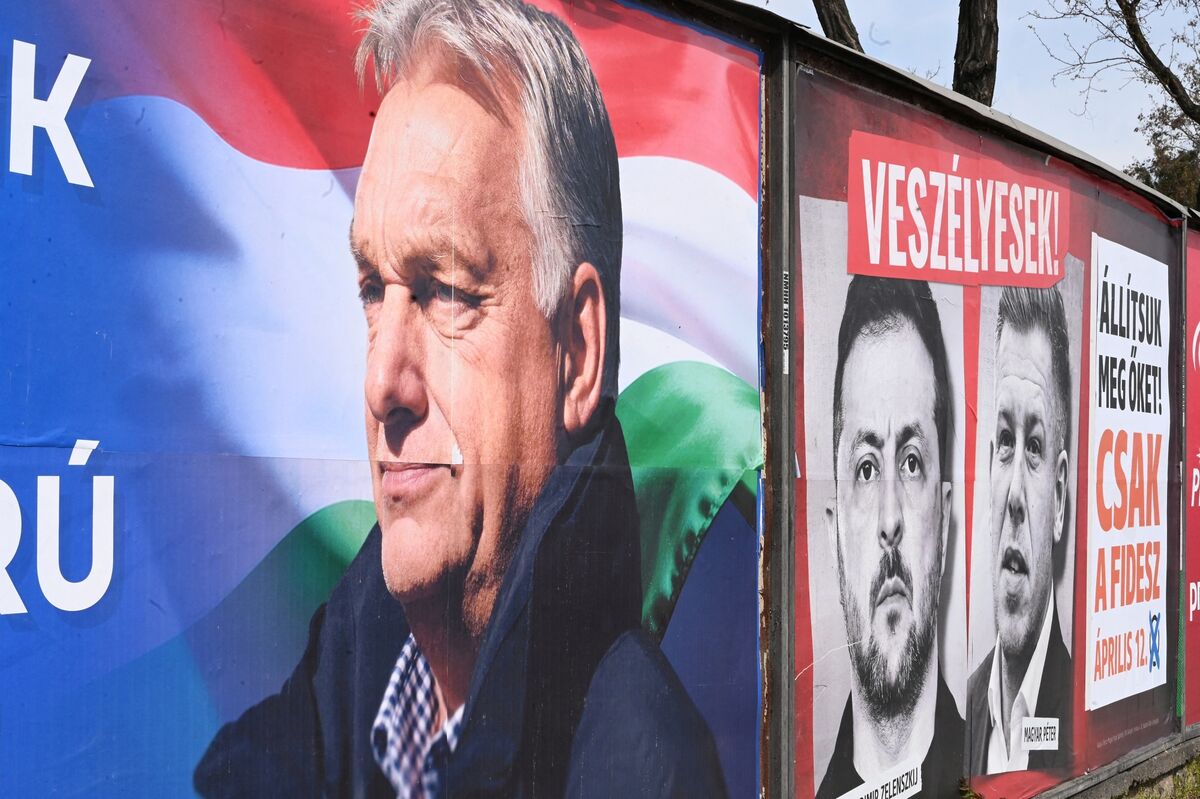
Gyula Balasy, a prominent Hungarian media executive, said he offered to hand over ownership of his firms to the state for free, with the businesses valued at about 80 billion forint ($257 million). The move highlights a shift among wealthy figures in Hungary after Viktor Orban's election defeat and raises governance and political-risk questions around media ownership and state influence.
This is less about one media owner and more about the repricing of political sponsorship risk across Hungary’s domestic capital stack. If a regime transition is durable, the first-order winners are opposition-linked advertisers, independent publishers, and any media distribution businesses not dependent on state spend; the losers are firms whose margins were effectively a pass-through of government ad budgets. The second-order effect is that “soft” state contracts in media, construction, and services may be unwound faster than formal regulatory changes, creating a short, sharp cash-flow shock before any legal settlement process starts.
The market’s main mistake is to treat this as a symbolic concession rather than a signaling event for elite asset protection behavior. When politically connected owners begin preemptively de-risking, counterparties will start marking down the probability of future contract renewal, which can compress valuations well before any assets actually change hands. That creates a window where balance-sheet stress can surface in adjacent vendors: production houses, printing, distribution, and local digital agencies that rely on one anchor client.
Catalyst timing is likely weeks to months, not days. Near term, the key risks are legal ambiguity, slow enforcement, and negotiated carve-outs that preserve operating control under a different wrapper, which would blunt the impact. The real downside tail is if the new administration uses procurement audits or retroactive tax scrutiny; that would extend the repricing to other politically linked sectors and could trigger broader de-leveraging among domestic oligarchic holdings.
Contrarian view: the headline may overstate regime change durability. If the election result does not translate into a clean governing mandate or institutional control, many of these asset gestures may be cosmetic, allowing the old networks to keep economic influence while appearing to comply. In that case, the initial selloff in exposed names could reverse quickly, but the probability-weighted takeaway is still that governance risk premium has structurally risen and should remain elevated until ownership, procurement, and advertising flows visibly normalize.
AI-powered research, real-time alerts, and portfolio analytics for institutional investors.
Request DemoOverall Sentiment
neutral
Sentiment Score
-0.10
