





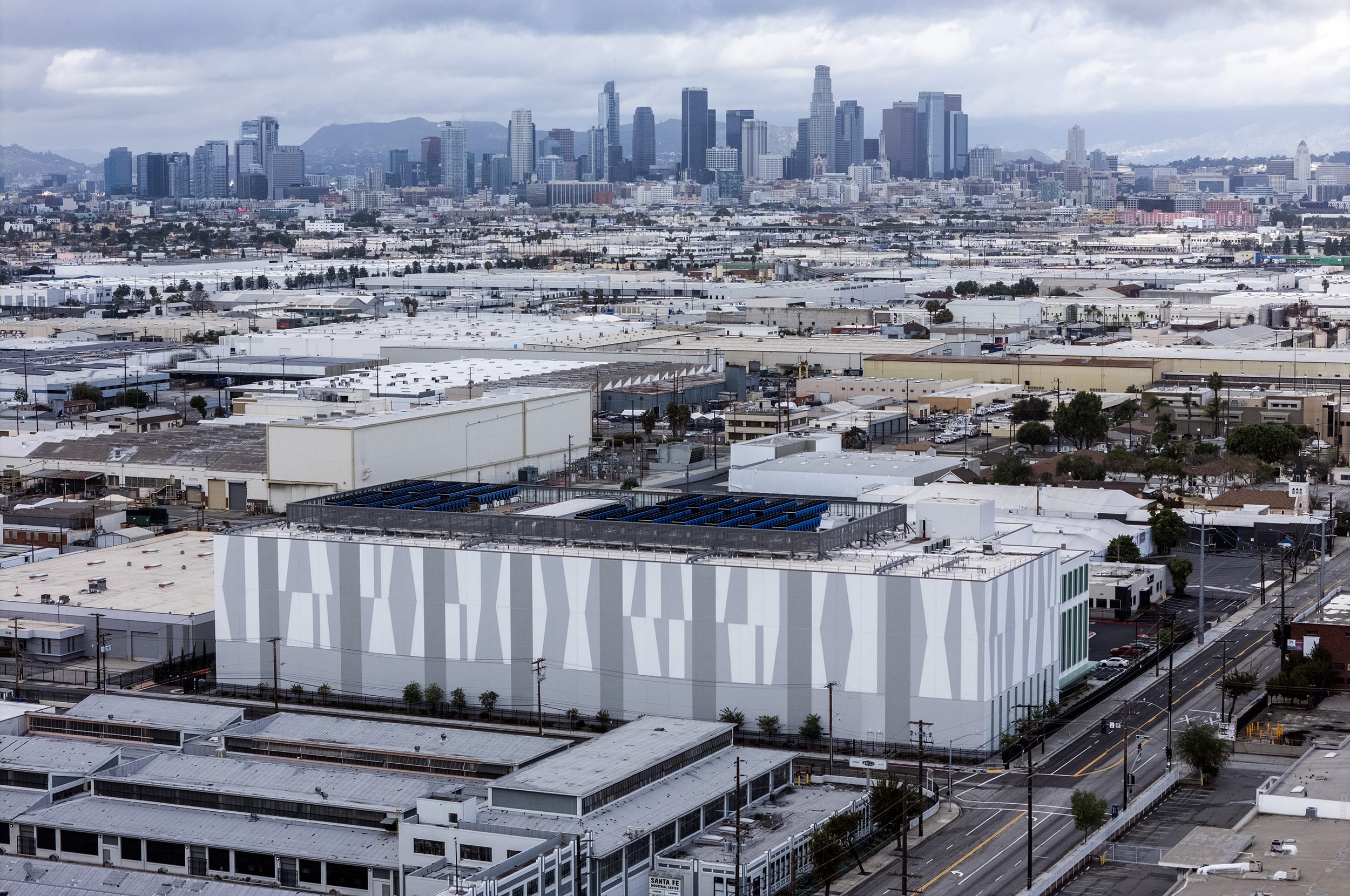
U.S. households are facing rising energy costs—average electricity prices climbed 6.3% in 2025 versus a 2.4% inflation rate—and a Middle East conflict produced a sharp one-day gasoline spike. The White House convened CEOs from Google, Amazon, OpenAI, Microsoft, xAI, Oracle and Meta, securing a voluntary pledge to offset electricity for new AI data centers by building or procuring dedicated power and funding grid upgrades, but the commitment is nonbinding and may take years to materialize. Near-term implications include sustained pressure on household budgets and utilities, potential capex and infrastructure opportunities for power providers and renewables, and reputational/regulatory risk for large tech firms while any consumer relief remains uncertain and long-term.
Market structure: AI-heavy cloud providers (MSFT, AMZN, GOOGL) are the short-to-medium-term winners because they can finance captive generation, PPAs and prioritize capacity, preserving margin and share in AI services. Grid contractors, transformer manufacturers and copper producers (materials, industrials) will see revenue spikes from hurried upgrades; consumer wallets and discretionary sectors are the direct losers as electricity CPI outpaces core inflation (6.3% vs 2.4% in 2025).
Risk assessment: Immediate tail risk is a sustained Strait-of-Hormuz disruption sending Brent >$120/barrel within days–weeks, which would reaccelerate headline inflation and push real yields higher. Short-term (weeks–months) risks center on interconnection queues, permitting delays and voluntary nature of the pledge; long-term (2–5 years) execution risk is whether on-site generation scales fast enough to blunt grid demand and regulatory backlash.
Trade implications: Favor capital goods and renewables contractors (6–24 month horizon) and select large-cap cloud winners able to self-provision power; use relative-value trades to capture execution gaps (see decisions). Cross-asset: rising energy/inflation risks lift commodity prices and nominal rates — expect wider credit spreads on energy-intensive midcaps and steeper 2s10s if inflation surprises.
Contrarian angles: The market underestimates supply-chain friction for transformers, copper and grid equipment; short-term scarcity could make materials outperform pure software AI winners. Also, the voluntary pledge raises event-driven opportunities when/if firms announce specific PPAs or SMR deals — those press releases will move equities and project contractors by >5–10% intraday.
AI-powered research, real-time alerts, and portfolio analytics for institutional investors.
Request TrialOverall Sentiment
moderately negative
Sentiment Score
-0.30
Ticker Sentiment
