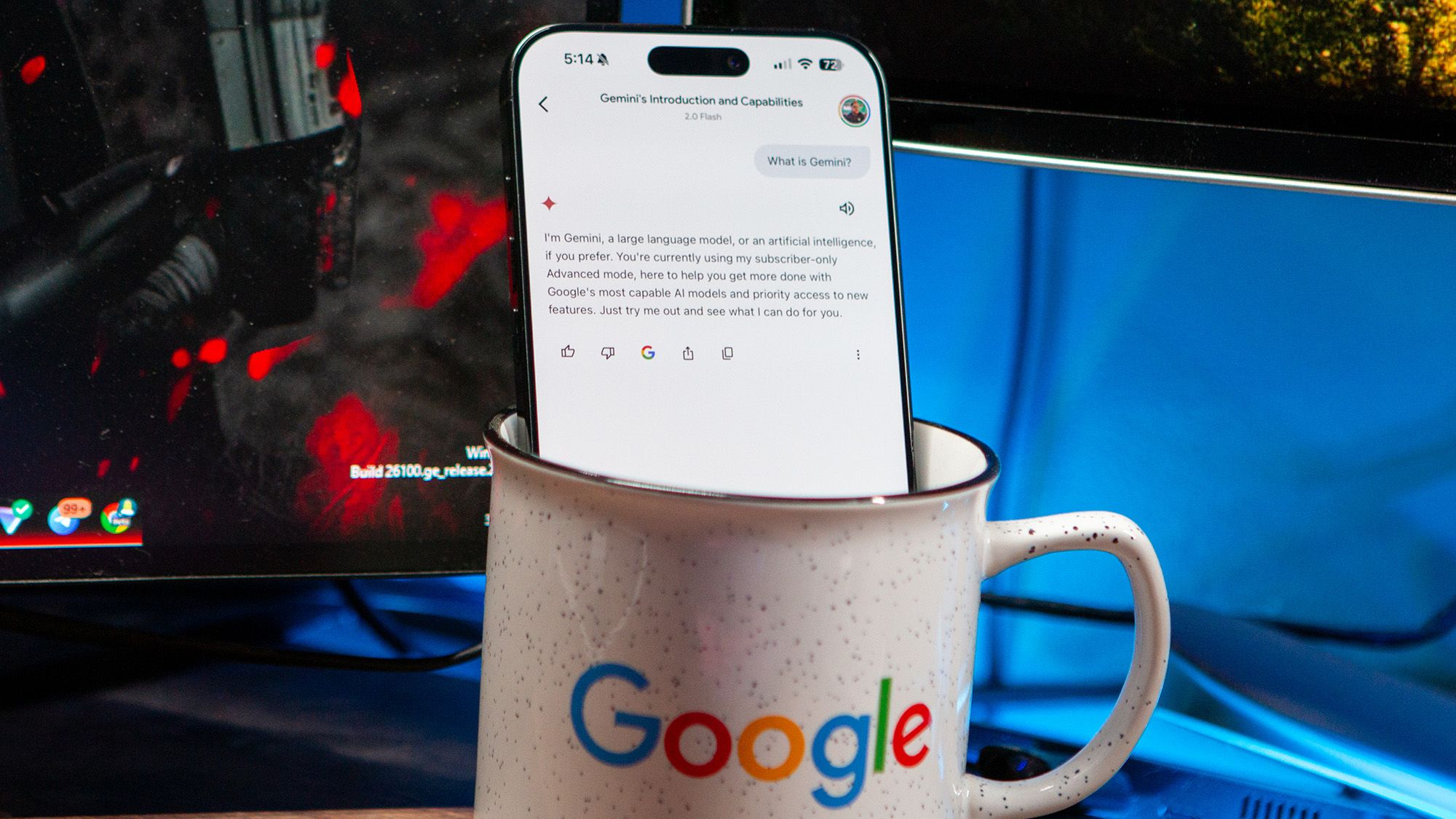
The article explains how to disable Google AI features, including Gemini, across Android apps such as Messages, Gmail, Photos, the Phone app, and Pixel Screenshots. It provides step-by-step instructions for turning off AI-powered functions, but does not report any new product launch, financial result, or company-specific market-moving event. Overall impact on markets is limited and mostly informational.
The key equity implication is not a headline revenue hit, but rising friction in Google’s monetization stack. Google is trying to increase “AI attach” across consumer touchpoints, yet the user-facing ability to opt out suggests the company may be overestimating willingness to pay for ambient AI versus utility-based features; that raises risk that adoption is broad but engagement is shallow. In the near term, that tends to pressure product-level conversion assumptions rather than core search demand, but it does incrementally weaken the narrative that AI features create automatic stickiness.
The second-order effect is more interesting for competitive dynamics: if power users are actively disabling AI in core apps, that creates a wedge for non-Google ecosystems that position themselves as lighter, privacy-first, or less intrusive. That matters most in the 6-18 month window, because consumer default behavior often determines which platform becomes the AI “home screen” for messaging, photos, and productivity. The broader risk is reputational: once users start associating AI with clutter or privacy drag, monetization of AI assistants can become politically and commercially harder across the sector.
For GOOGL, this is not a thesis-breaker, but it argues for a lower multiple on near-term AI product enthusiasm until evidence improves that users actually keep these features enabled. The upside catalyst would be demonstrated higher retention or paid conversion from Workspace/consumer AI bundles; absent that, the market may begin to treat AI as a cost center and UI tax rather than a growth engine. On the downside, any privacy misstep or regulatory scrutiny around default-on AI settings could accelerate feature deactivation and reinforce the opt-out trend.
AI-powered research, real-time alerts, and portfolio analytics for institutional investors.
Overall Sentiment
neutral
Sentiment Score
0.05
Ticker Sentiment
