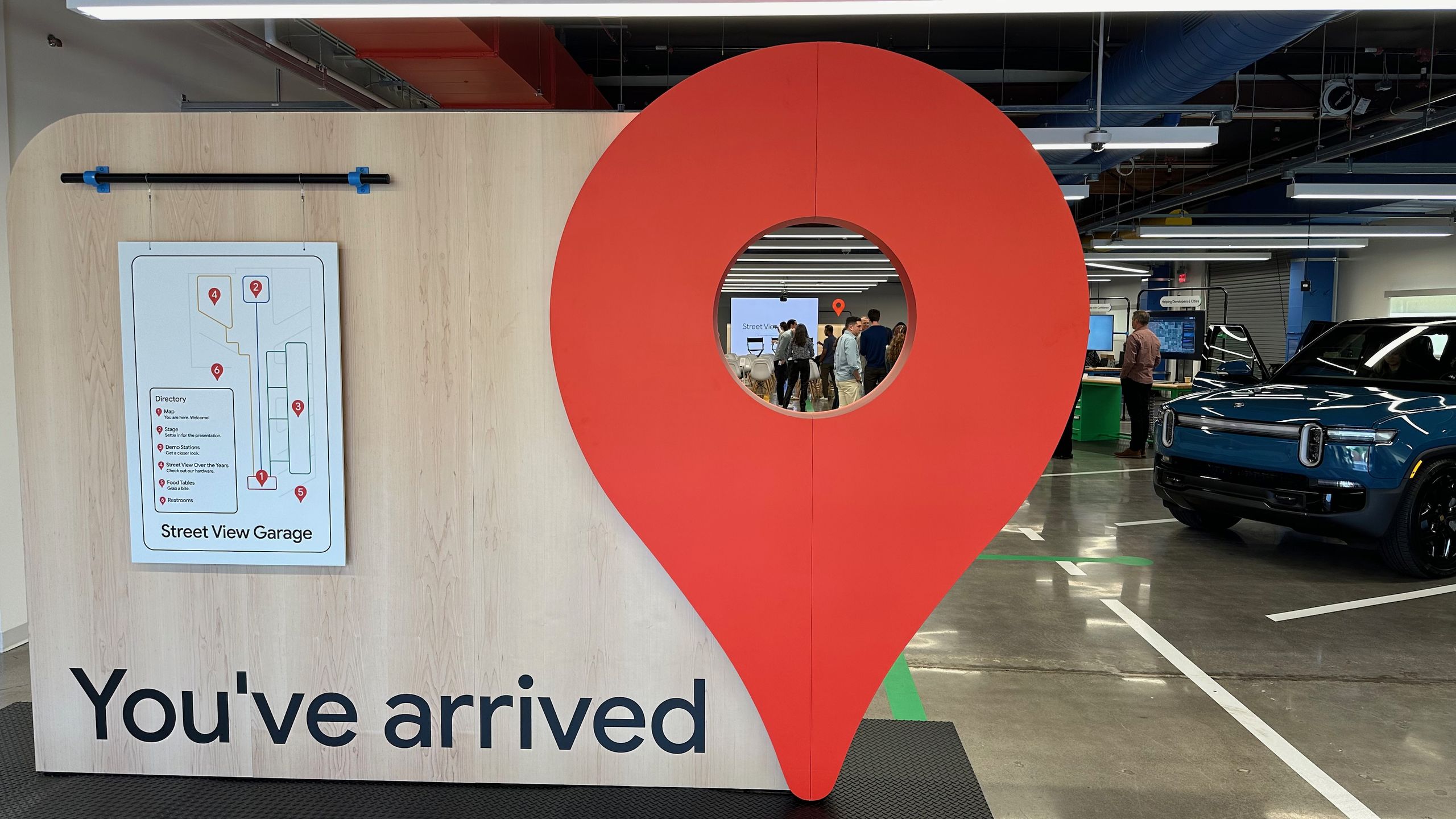
Google rolled out a major Maps update on Mar 12: Immersive Navigation adds Gemini-powered spatial understanding, vibrant 3D visuals, smart zooms, transparent buildings, and upgraded voice guidance to improve in-car navigation. Ask Maps introduces a conversational AI to generate personalized place recommendations and turn suggestions into directions. The update begins in the U.S. on eligible Android and iOS devices and will expand to CarPlay, Android Auto, cars with Google built-in and desktop over coming months; it should modestly boost user engagement but is unlikely to have immediate material financial impact.
This update accelerates Google’s move to monetize high-intent, in‑car location moments rather than casual search—Maps becomes a persistent commerce funnel sitting between discovery and conversion. Even if paid features are modest at launch, a 1–3% lift in local ad yield or bookings conversion within 12–24 months would translate into high-margin incremental revenue given current ad profit margins; the mechanism is promoted placements + booking/referral take rates rather than heavy capex.
Second-order competitive effects will show up in automotive software stacks and supply chains: OEMs that sign deeper Google integrations reduce their need to pay Tier‑1s for bespoke nav/telematics, compressing those vendors’ services revenue over 1–3 years while increasing demand for Android Automotive‑compatible silicon (Qualcomm) and for Google Cloud APIs from fleets and logistics companies. At the same time, richer Maps telemetry (Street View + spatial Gemini) increases Google’s proprietary dataset advantage, making it harder for independent cartography and local discovery players to compete on realism and personalization.
Key risks and catalysts are regulatory and safety: antitrust/privacy scrutiny or a high‑profile navigation failure could slow OEM adoption and delay monetization by 6–18 months. Watch two near-term catalysts—wider in‑car rollout agreements over the coming 3–9 months and revenue commentary in Alphabet’s next 2–4 quarters—for evidence this is moving from product enhancement to durable revenue stream; absence of those signals means the market may be pricing in too much near-term upside.
AI-powered research, real-time alerts, and portfolio analytics for institutional investors.
Request DemoOverall Sentiment
mildly positive
Sentiment Score
0.35
Ticker Sentiment
