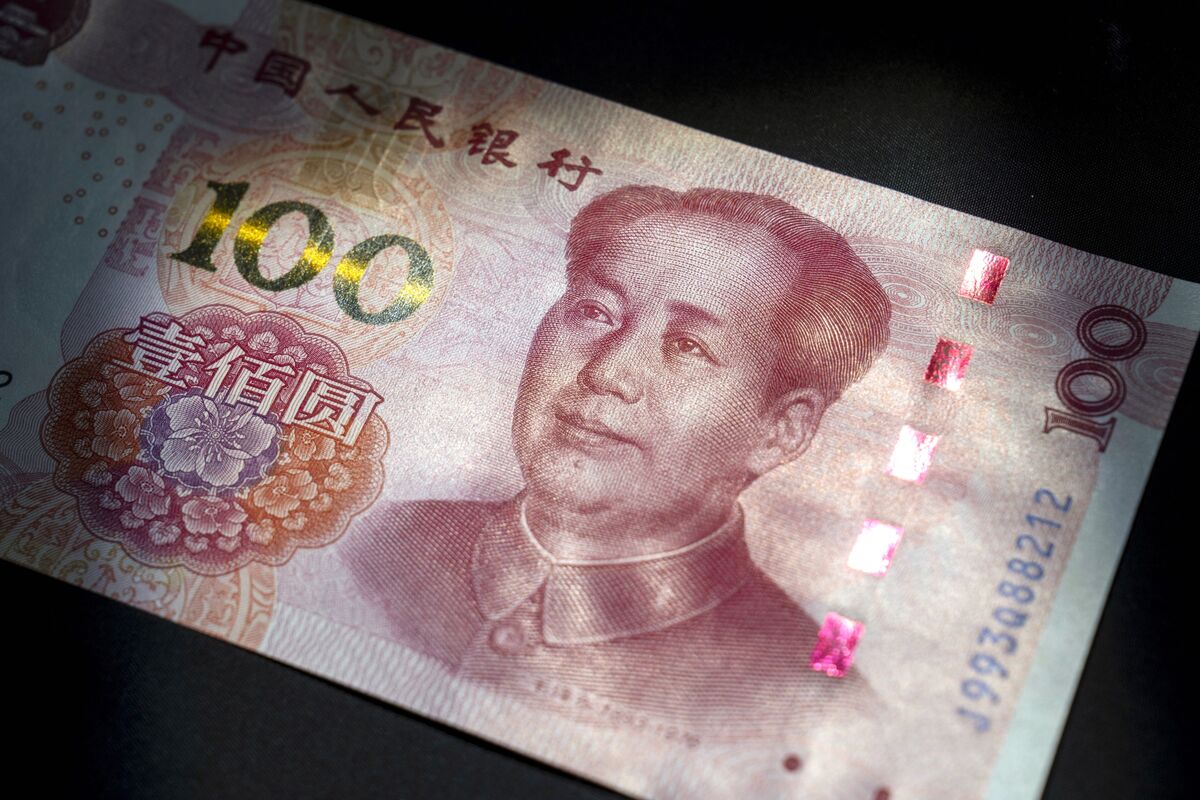
Singapore's UOB is encountering a shortage of offshore Chinese yuan, driven by soaring demand for the currency in Southeast Asian trade and payments. To mitigate this liquidity challenge, the bank is actively raising deposits, issuing yuan-denominated panda bonds, and increasing its foreign exchange swap market activity. This situation highlights the accelerating internationalization of the yuan and the operational hurdles banks face as its regional adoption expands.
United Overseas Bank (UOB) is navigating operational challenges stemming from a shortage of offshore Chinese yuan, a direct consequence of the currency's rising adoption in Southeast Asian trade and payments. This situation highlights the tangible impact of the yuan's accelerating internationalization on regional financial institutions. To address the liquidity constraints, UOB, Singapore's third-largest bank, is implementing a multi-faceted strategy as outlined by its head of transaction banking for China and Hong Kong. The bank is actively working to increase yuan deposits, issuing yuan-denominated panda bonds in China's onshore market, and increasing its use of the foreign exchange swap market. These proactive measures indicate UOB's strategic adaptation to a changing currency landscape, positioning itself to facilitate growing yuan-denominated regional commerce despite the inherent liquidity pressures.
AI-powered research, real-time alerts, and portfolio analytics for institutional investors.
Request DemoOverall Sentiment
mixed
Sentiment Score
0.00
Ticker Sentiment
