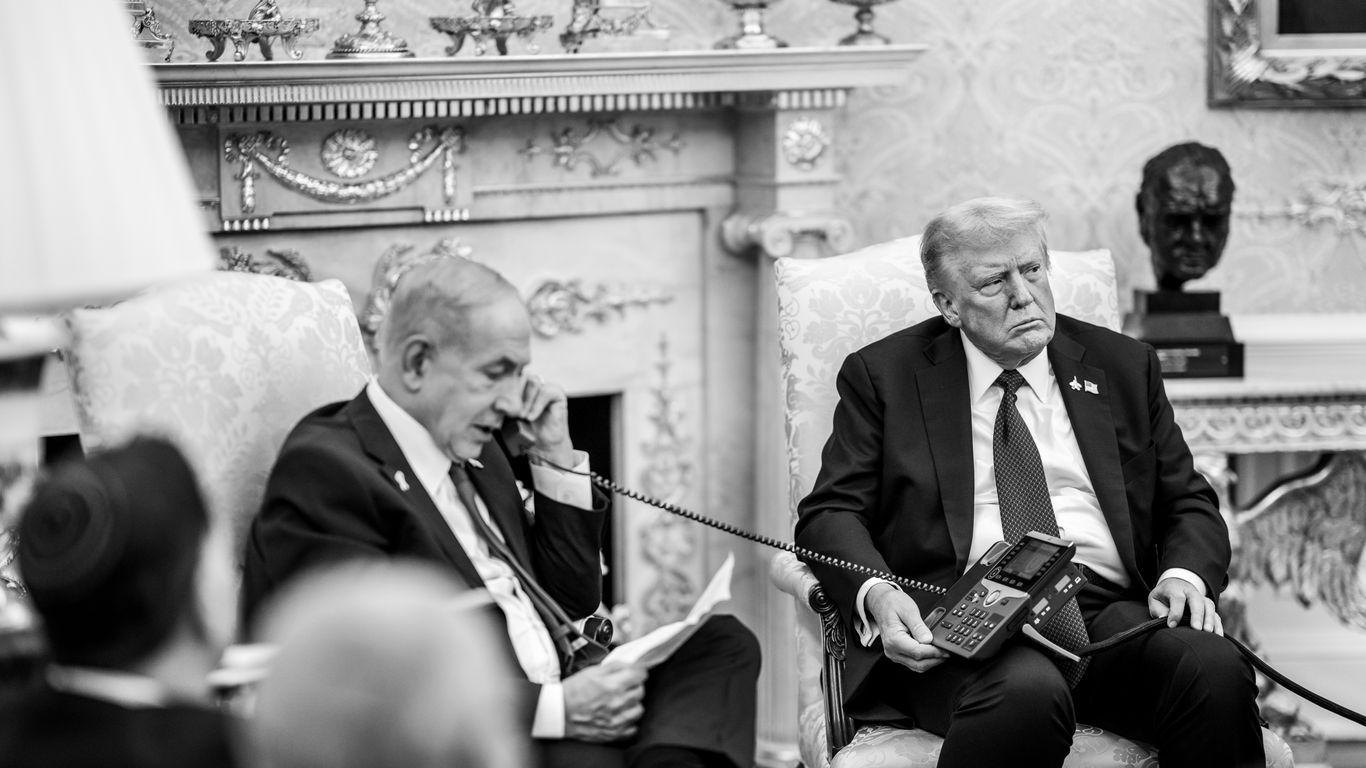
The Trump administration has unveiled a 21-point plan to end the Gaza war, leveraging a recent Israeli strike in Qatar that unified Arab outrage and prompted intensified calls for a resolution. Developed by advisers Steve Witkoff and Jared Kushner, the plan secured preliminary agreement from Arab leaders and was accepted by Israeli Prime Minister Netanyahu under direct pressure from Trump, despite initial resistance and subsequent edits that displeased Arab states. The proposal, which includes an Israeli apology to Qatar, is now awaiting Hamas's response within days, with U.S. and Israeli officials anticipating a positive, albeit reserved, reaction, while Arab officials indicate the deal remains subject to further negotiation.
A significant geopolitical development has emerged, initiated not by planned diplomacy but by a failed Israeli strike in Qatar, which unexpectedly unified Arab leadership and created momentum for a peace initiative. The Trump administration, through advisers Steve Witkoff and Jared Kushner, capitalized on this dynamic to advance a 21-point plan for ending the Gaza war. The plan's acceptance by Israel was not straightforward, requiring intense, direct pressure from President Trump on Prime Minister Netanyahu, including a 'Take it or leave it' ultimatum. This coercion resulted in Netanyahu securing last-minute edits, particularly regarding the terms of an Israeli withdrawal from Gaza, which in turn were met with frustration by the Arab and Muslim partner nations. Despite Trump announcing the plan, its finality is contested; Arab officials view it as a basis for ongoing negotiation rather than a settled agreement. The situation remains highly fluid and uncertain, now hinging entirely on the forthcoming response from Hamas, which U.S. officials hope to secure through pressure from Qatar, Egypt, and Turkey.
AI-powered research, real-time alerts, and portfolio analytics for institutional investors.
Request DemoOverall Sentiment
mixed
Sentiment Score
0.15
