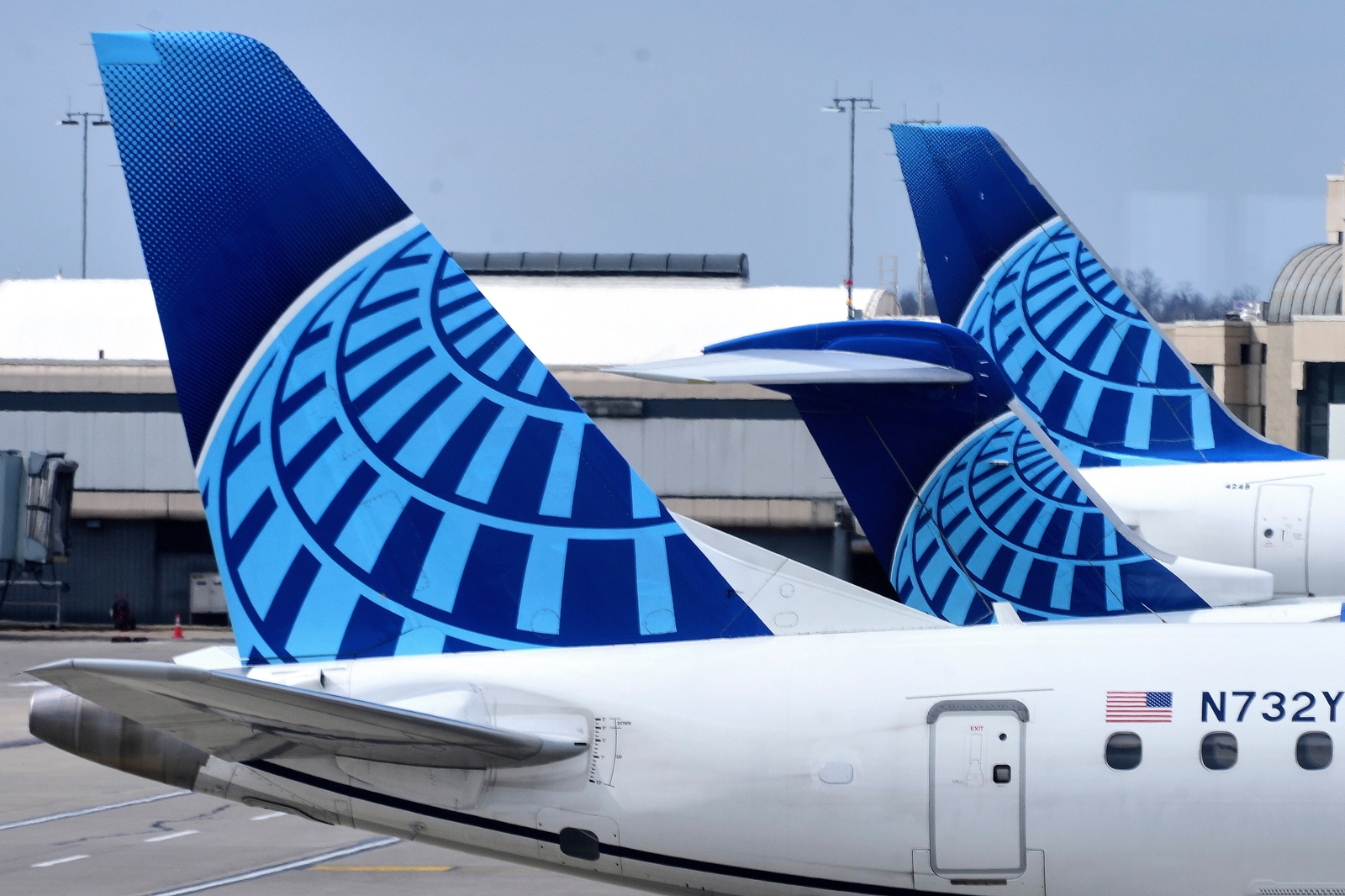
United Airlines Flight 1980 reportedly hit a drone while landing at San Diego International Airport, but the Boeing 737 completed the flight safely and a postflight inspection found no damage. The FAA said the sighting occurred at 4,000 feet, above the legal drone altitude limit, and is investigating the incident. Other pilots in the area were alerted, with no additional drone reports received.
This is not a direct earnings event for UAL, but it is a margin-on-margin issue: repeated drone incidents raise the probability of precautionary ground stops, tighter arrival spacing, and controller workload spikes at constrained airports. Even if actual aircraft damage remains rare, the operational cost shows up first in irregular ops, crew misconnects, and same-day reaccommodation — the kind of friction that compresses unit revenue quality before it hits headline traffic numbers.
The second-order winner is anyone selling compliance, detection, and airspace security solutions. A few high-profile incidents can accelerate airport spending on counter-UAS systems, radar upgrades, and perimeter monitoring, which is a multi-year capital cycle rather than a one-off fix. That creates a small but persistent tailwind for defense-adjacent infrastructure names, especially if regulators move from reactive investigation to mandated airport mitigation standards.
For UAL, the market risk is less about the single event and more about asymmetry: airlines are highly sensitive to any narrative that adds delay uncertainty without improving pricing power. If this becomes part of a broader pattern at West Coast hubs, the impact could show up over weeks via higher controllable disruption costs and softer business-travel reliability scores; if it fades, the stock likely retraces quickly because the postflight-no-damage outcome caps liability.
The contrarian point is that the legal-altitude issue actually argues for low immediate physical-damage probability, so the equity move should be limited unless there is a confirmed drone network or repeated sightings. In other words, the right trade is not to fade UAL on one incident alone, but to position for a gradual policy response that benefits detection/security spend more than it hurts airline fleet economics.
AI-powered research, real-time alerts, and portfolio analytics for institutional investors.
Request DemoOverall Sentiment
neutral
Sentiment Score
-0.05
Ticker Sentiment
