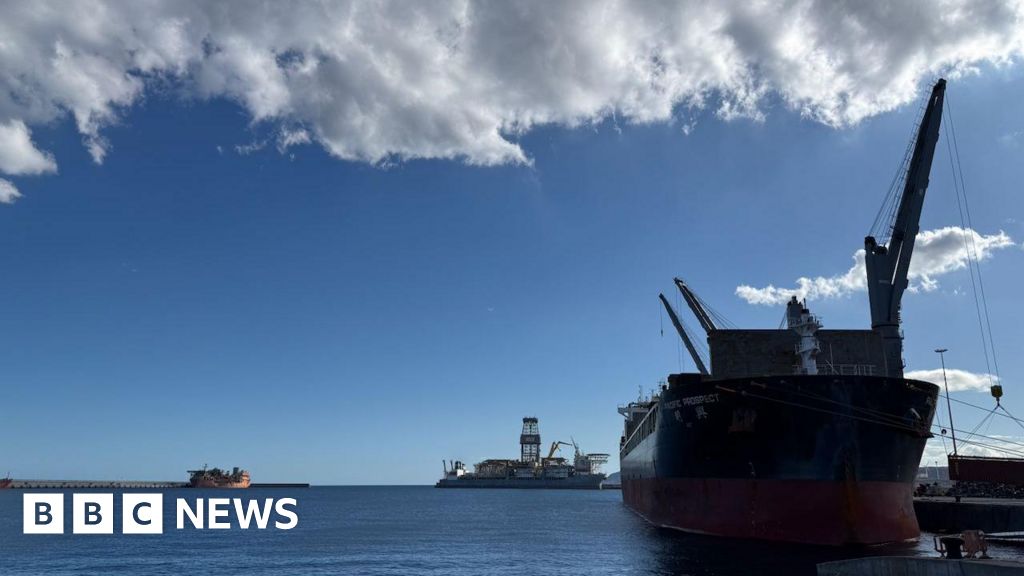
The MV Hondius is arriving in Tenerife with more than 100 people to be repatriated after three cruise passengers died from hantavirus, prompting a one-nautical-mile security perimeter and mass medical screening. Spain, the WHO, and multiple countries are coordinating evacuations, with Spanish nationals facing mandatory quarantine in Madrid. The event is a contained health and travel disruption rather than a broad market shock, but it adds temporary operational risk for cruise and port logistics.
This is a classic low-probability, high-visibility biosecurity event with limited direct economic damage but meaningful second-order effects in travel operations and public-risk pricing. The immediate winners are crisis-logistics providers: airport ground handlers, charter operators, medical transport, and port-security contractors likely capture incremental demand, while the losers are the local cruise ecosystem, Canary Islands tourism sentiment, and any operator with exposure to “quarantine destination” headlines. The market should treat the event less as a contagion shock and more as a temporary friction shock that raises insurance, compliance, and reputational costs across cruise and port-adjacent assets.
The real catalyst risk is not pathogen spread but process failure: any misstep during disembarkation, a single symptomatic case in a hotel/quarantine setting, or a local protest escalation would extend the news cycle from days to weeks. That would widen implied volatility for cruise names and intensify discounting on itineraries touching Southern Europe or island hubs, especially if the narrative becomes “operational fragility under biosecurity stress.” Conversely, a clean transfer and rapid repatriation should mean a fast mean reversion in affected equities because the underlying transmission risk appears structurally contained.
The contrarian angle is that the market may overestimate the duration impact and underestimate the normalization benefit of a visibly successful response. If the evacuation is executed without secondary cases, it becomes evidence that modern containment protocols work, which is supportive for cruise and leisure demand over the medium term rather than damaging it. The better trade is to fade panic, not the industry: fear spikes create tactical opportunities in names where any headline-driven selloff would be disconnected from cash-flow impact.
AI-powered research, real-time alerts, and portfolio analytics for institutional investors.
Request DemoOverall Sentiment
moderately negative
Sentiment Score
-0.20
