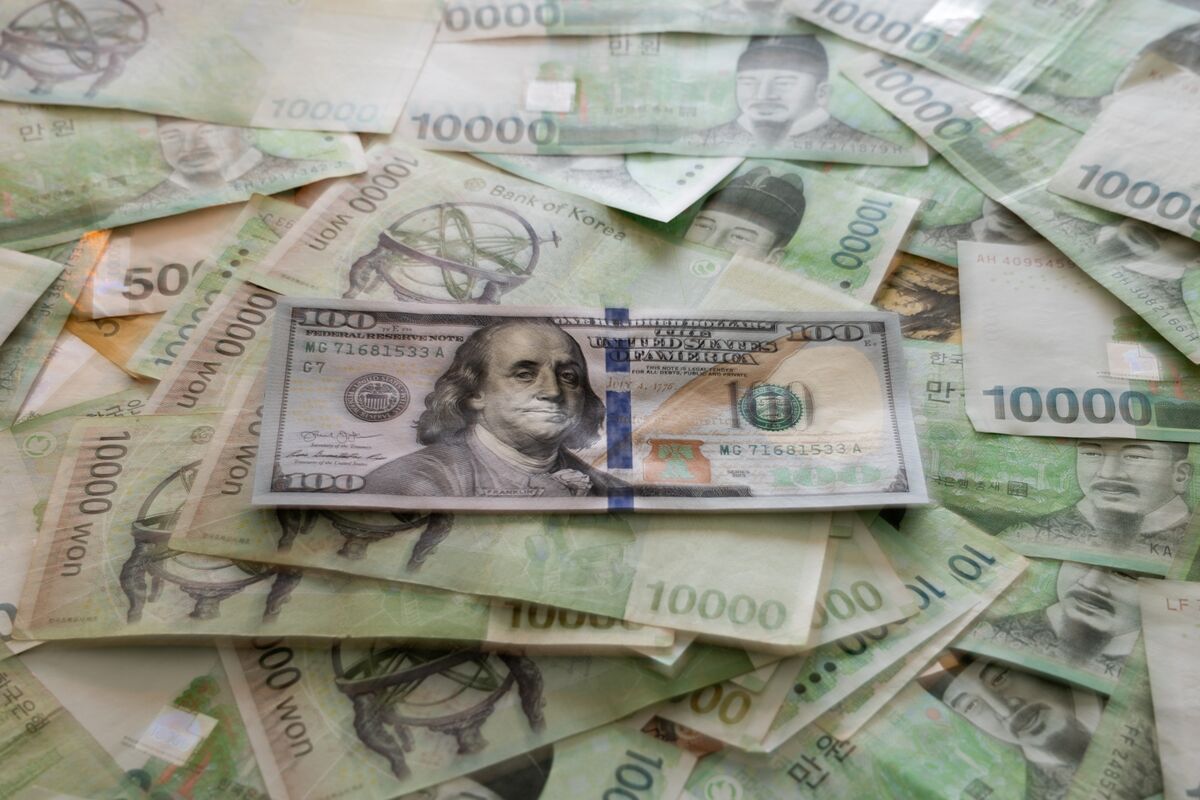
Currency hedging costs across Asia are declining, prompting debate among bond investors regarding whether to capitalize on cheap protection or forgo hedging. Three-month forward implied yields for dollar-won have decreased to approximately 1.7%, a two-year low, indicating reduced hedging expenses for South Korean bonds. Similar metrics for currencies in Thailand, Indonesia, China, and India are also below their one-year averages.
A notable decline in currency hedging costs across Asia presents a key tactical consideration for bond investors. Specifically, three-month forward implied yields for the dollar-won have fallen to approximately 1.7%, their lowest level in over two years, significantly reducing the expense of hedging South Korean bond exposures. This trend extends to other major Asian markets, including Thailand, Indonesia, China, and India, where analogous hedging cost indicators are currently trading below their respective one-year averages. Consequently, investors are actively debating whether to capitalize on this period of relatively inexpensive currency protection to fortify their portfolios or to forgo this opportunity, weighing the reduced cost against their market outlook and risk appetite.
AI-powered research, real-time alerts, and portfolio analytics for institutional investors.
Request DemoOverall Sentiment
mildly positive
Sentiment Score
0.30
