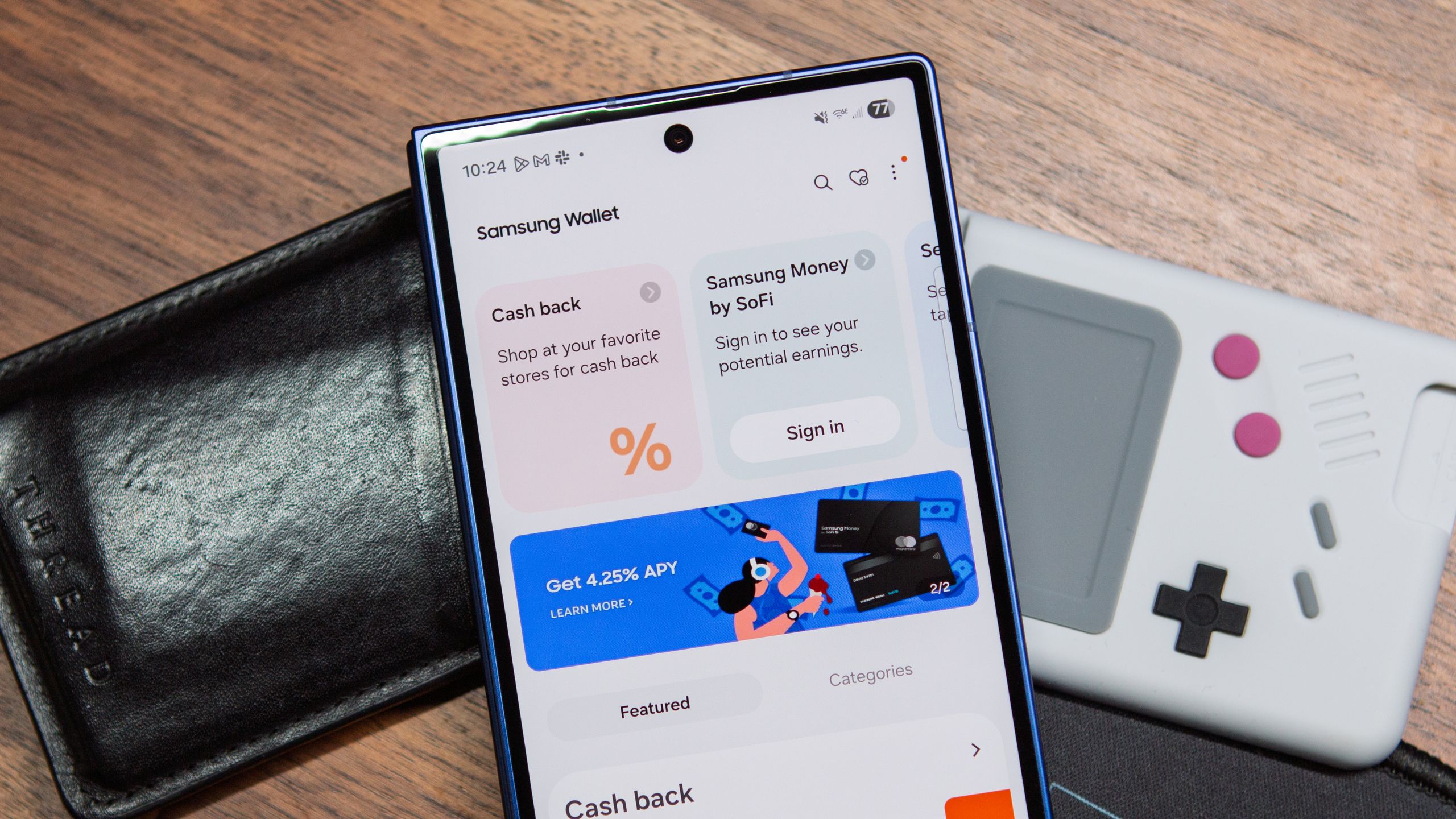
Samsung and CLEAR have introduced Samsung ID with CLEAR, a free digital ID in Samsung Wallet that works at over 250 TSA checkpoints in the U.S. and select venues. The feature uses biometric verification and on-device encryption via Samsung Knox, potentially reducing friction for Galaxy users traveling domestically. The launch is positive for Samsung’s wallet ecosystem, but near-term market impact appears limited.
This is less about near-term phone monetization and more about Samsung trying to turn its wallet into a trust layer. If adoption works, the economic value is not the TSA use case itself; it is the ability to anchor identity, age-gating, and credential verification inside a Samsung-controlled surface, which raises switching costs and increases wallet stickiness. That creates a second-order benefit for Samsung’s ecosystem economics: more frequent engagement, more permission to sell adjacent services, and a stronger bargaining position versus platform-level identity rails from Apple/Google.
The bigger competitive implication is that digital ID is likely to become a winner-take-most layer, but only after a slow multi-year standards battle. Near term, this is a feature-led adoption story, not a revenue inflection, because usage is constrained by hardware compatibility, airport reader penetration, and regulatory fragmentation. The more important catalyst is not TSA volume growth but whether merchants, venues, and fintech workflows begin treating wallet-based ID as default KYC input; that could compress verification costs and reduce friction in high-frequency use cases.
The main risk is a single trust failure: one public security incident, false-rejection event, or privacy backlash could freeze adoption for quarters. Another underappreciated risk is that success here strengthens the entire digital-wallet category, not just Samsung, so the benefit may be competed away into a broader industry standard with limited moat capture. In that scenario, the economic upside accrues to the ecosystem enablers and security infrastructure rather than to the phone OEM itself.
The consensus is probably underestimating the pace at which identity use cases migrate from travel into age verification, rentals, event access, and low-friction KYC. If that happens, the real trade is on cybersecurity and identity-rails beneficiaries, while handset OEM upside stays modest. The setup argues for treating this as an ecosystem enabler with optionality, not a direct thesis on consumer hardware demand.
AI-powered research, real-time alerts, and portfolio analytics for institutional investors.
Request DemoOverall Sentiment
mildly positive
Sentiment Score
0.25
