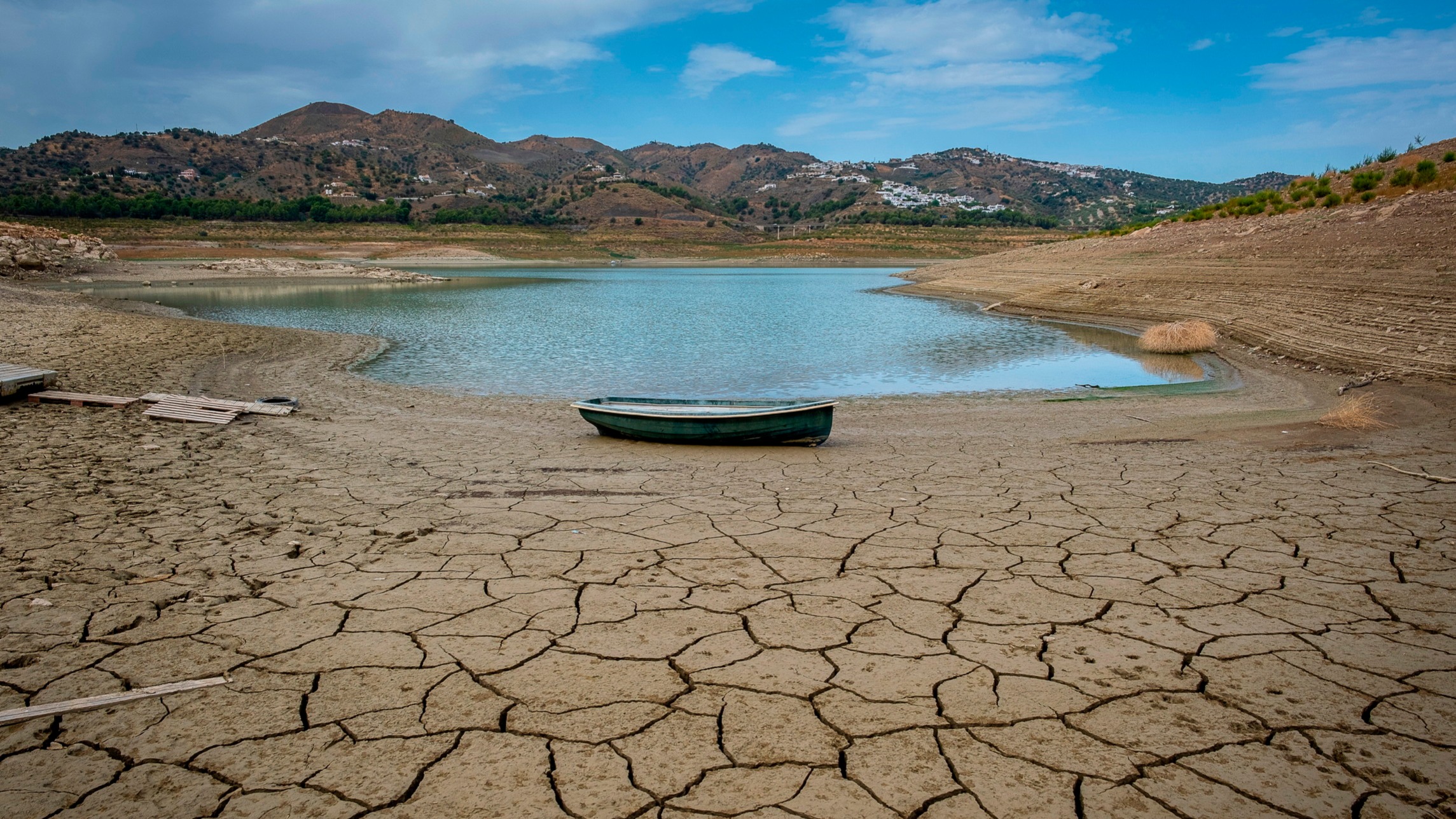
A UN-backed study warns that droughts are increasingly impacting global supply chains, with their economic cost now at least double that of 2000. This escalation, driven by climate change depleting water and land resources, underscores the critical need for countries to enhance preparedness for longer-lasting drought conditions to mitigate significant economic and supply chain disruptions.
A UN-backed study signals a material escalation in systemic risk to global supply chains, identifying that the economic cost of droughts has at least doubled since 2000. This trend, directly attributed to climate change depleting water and land resources, suggests that historical risk models for weather-related disruptions are becoming obsolete. The 'strongly negative' sentiment and moderate market impact score (0.6) reflect the gravity of this structural shift, which poses a significant threat to sectors heavily reliant on water and stable agricultural inputs, including food and beverage, apparel, and certain technology manufacturing like semiconductors. The report's call for enhanced national preparedness underscores a global deficit in current mitigation strategies, implying that companies and economies face heightened vulnerability to more frequent and prolonged periods of resource scarcity, which could translate into increased input costs, production volatility, and earnings pressure.
AI-powered research, real-time alerts, and portfolio analytics for institutional investors.
Request DemoOverall Sentiment
strongly negative
Sentiment Score
-0.65
