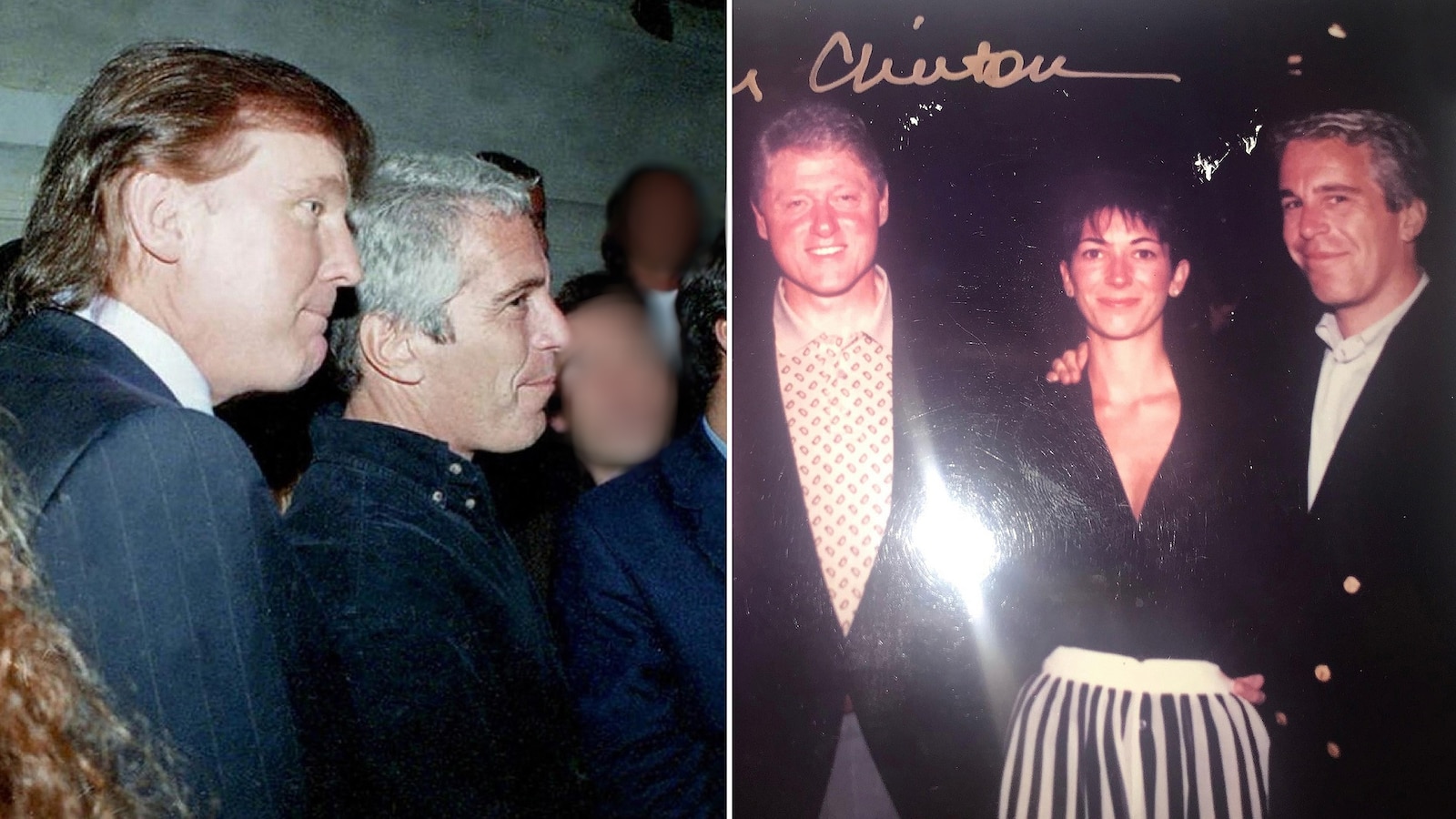
House Oversight Committee Democrats released batches of photographs from Jeffrey Epstein’s estate—drawn from a cache of more than 95,000 images—publicizing 19 photos initially and over 70 more later that show Epstein with high-profile figures including Donald Trump, Bill Clinton, Bill Gates, Steve Bannon, Woody Allen, Prince Andrew and Richard Branson. The committee says the images raise questions and seeks DOJ transparency, while Republicans and White House spokespeople accuse Democrats of cherry-picking and political motives; the photos’ context, timing and locations are unclear and appearance in images is not evidence of wrongdoing. For investors, the release is primarily political and reputational, with limited direct market implications beyond potential idiosyncratic reputational risk for individuals or firms closely tied to implicated parties.
Market structure: The photo releases are a reputational/shock event, not a fundamentals shock — winners are cybersecurity firms, legal/advisory shops, and niche media-analytics vendors (short-term ad attention); losers are tabloid/media names and any small-cap businesses tied to implicated individuals. Expect a transient reallocation of ad dollars and PR/legal spend over 1–3 months; pricing power shifts toward boutique security/forensics providers who can capture incremental budgets (~+$50–150m aggregate in discretionary spend among large nonprofits/CEOs in a worst-case month-long rush).
Risk assessment: Tail risks include a DOJ/DOJ-file dump within 30 days that names new corporate directors or donors, provoking targeted litigation or regulatory inquiries that could knock 0.5–2% off specific affected equities; a larger political contagion could create a 1–3% market risk-off move for 1–5 trading days. Hidden dependencies: companies with founder-philanthropy ties (e.g., Gates->MSFT) are exposed reputationally though balance-sheet impact is low; watch donor-led governance probes and cyber-exposure from leaked drives. Catalysts: additional photo/doc dumps, official DOJ disclosures, weekend cable cycles; reverse catalysts include rapid clarifying statements, sealed filings, or lack of new evidence within 30 days.
Trade implications: Tactical opportunities: (1) short-duration long trades in cybersecurity (expect +8–20% idiosyncratic moves) and (2) short/tabloid/media longs should be avoided. Use options to express views: buy 1–3 month call spreads on CRWD/FTNT and 30–60 day protective puts on MSFT sized small. Cross-asset: buy short-duration Treasuries (TLT) for 1–6 weeks if headlines spike risk-off; close on 10y yield move +15 bps or S&P bounce >1.5%.
Contrarian angles: The market consensus underestimates that these releases rarely change corporate cash flows; reaction is likely overdone for large-cap tech where ties are historical and non-operational. Historical parallels (high-profile scandal photo dumps) show price effects concentrated in small-cap media and last 2–8 weeks; owning high-quality software (MSFT, large security names) on dips is a higher-IRR contrarian posture. Unintended consequence: sustained releases could accelerate corporate governance scrutiny and incremental compliance budgets — a medium-term positive for security vendors and law firms.
AI-powered research, real-time alerts, and portfolio analytics for institutional investors.
Request DemoOverall Sentiment
neutral
Sentiment Score
0.00
Ticker Sentiment
