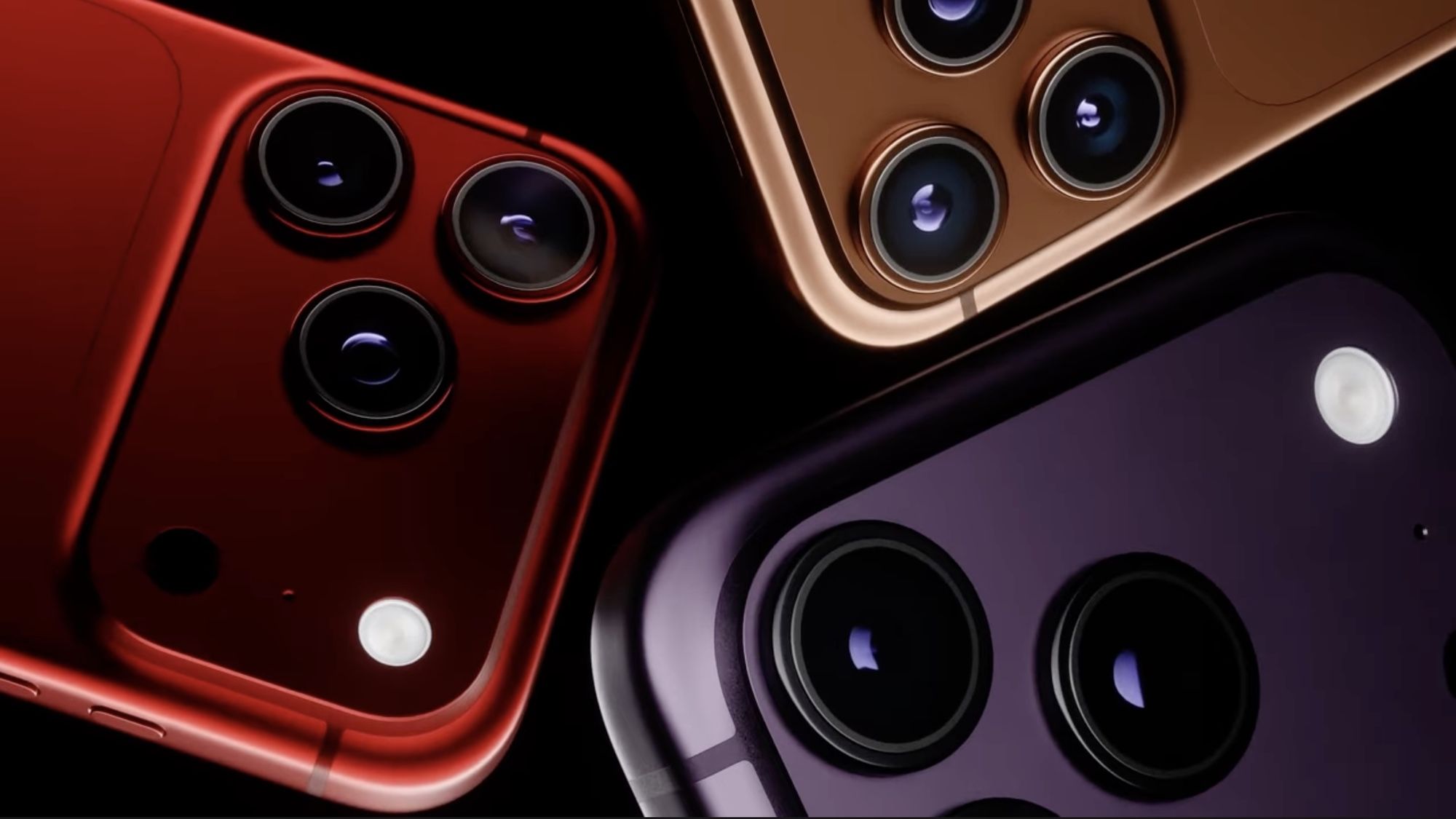
Apple is expected to launch the iPhone 18 Pro around September (~6 months) with three notable upgrades: a variable-aperture 48MP Fusion camera, an A20 Pro chip reportedly on TSMC's 2nm node (possible on-wafer RAM integration), and a returning deep-red color option. The foldable iPhone (iPhone Fold) may price as high as ~$2,399, which could steer mainstream upgraders toward the less costly iPhone 18/18 Pro and support Pro-line unit demand. Incremental hardware and efficiency gains (2nm CPU, on-wafer RAM) are bullish for product competitiveness but represent evolutionary, not transformative, revenue drivers in the near term.
The likely pricing split between a high-end foldable and a more affordable Pro iteration preserves the iPhone Pro line as Apple’s volume & margin backbone; that’s the immediate revenue lever investors should focus on rather than the headline-grabbing Fold. Expect a modest ASP bump for the Pro family (mid-single-digit % on an installed base upgrade year) rather than a dramatic unit surge — that implies upside to gross profit per unit more than share gains versus Android incumbents.
Moving critical IP (memory stacked/embedded on-wafer) onto the SoC wafer is a structural margin and performance change: lower power, tighter latency and fewer discrete components raise BOM efficiency and create a multi-year moat if yields scale. But wafer-level memory integration concentrates yield and tech risk at the foundry: a slow 2nm ramp or early yield hits would compress Apple’s gross margin and create a near-term supply shock, while conversely a clean ramp gives Apple + TSMC outsized pricing power.
Key catalysts and risks are short-dated and long-dated: watch TSMC capacity guidance and Apple’s gross margin commentary over the next 2 quarters for supply constraints or ASP signaling, and pre-order/sell-through at launch (Sept) for demand elasticity. Tail risks: foldable cannibalization if pricing falls, or a RAM-on-wafer yield miss that delays shipments — either could erase the expected incremental profit swing.
Contrarian angle: the market is likely underpricing TSMC’s leverage from 2nm wafer premium and Apple’s ability to monetize performance gains, but may be over-enthusiastic about hardware-only camera improvements; computational photography still caps perceived consumer value, so expect asymmetric upside in fabs vs. camera-module suppliers.
AI-powered research, real-time alerts, and portfolio analytics for institutional investors.
Request DemoOverall Sentiment
mildly positive
Sentiment Score
0.25
Ticker Sentiment
