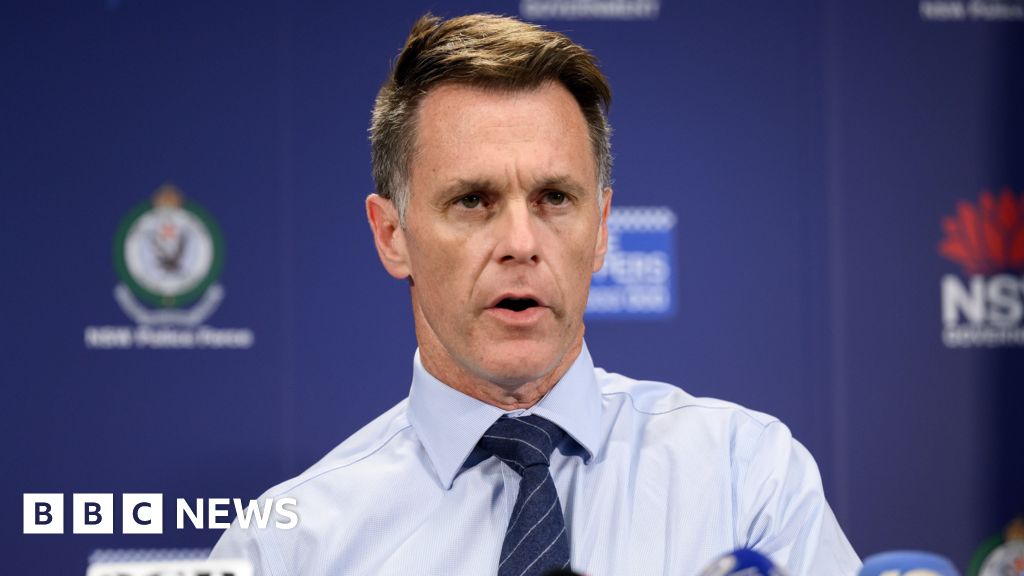
Fifteen people were killed and dozens injured in a mass shooting at a Jewish festival in Bondi, the deadliest Australian shooting since Port Arthur in 1996; authorities say two gunmen were possibly motivated by Islamic State ideology. New South Wales premier Chris Minns is moving to classify the chant "globalise the intifada" as hate speech, recall parliament to fast-track tougher hate-speech, protest and gun restrictions and seek a Royal Commission, while Prime Minister Anthony Albanese announced a national buyback to remove hundreds of thousands of surplus, newly banned and illegal firearms. The government response signals accelerated legislative and enforcement actions with potential political and social ramifications domestically and heightened sensitivity to related geopolitical protest activity.
Market structure: immediate winners are defense/security integrators and private security contractors (global defense names LMT, RTX; Australian integrators via contractors and systems suppliers) and content-moderation/identity verification vendors as governments tighten hate-speech enforcement. Losers in the near term are Australian coastal leisure/tourism exposure (QAN, WEB, small coastal hotels) and domestic gun retailers/manufacturers due to a large buyback and bans; pricing power shifts toward large, regulated providers of security and moderation services.
Risk assessment: tail risks include escalation into wider domestic protests or copycat attacks (low-probability, high-impact) that could knock 5-10% off ASX small caps and travel names in days; a protracted Royal Commission or sustained fiscal cost (>A$1–2bn) for the buyback could push Australian 10y yields +10–30bp over 6–12 months. Hidden dependencies: platform moderation liabilities hinge on federal laws and international precedent; catalysts are NSW parliamentary recall (next week) and federal buyback design details (30–90 days).
Trade implications: tactical trades include small long allocations to large-cap defense (LMT/RTX, 2–4% each) via 3–12 month timeframes and short exposure to Australian leisure/tourism (QAN, WEB) sized to 1–3% of portfolio until visibility returns. Hedging: buy 1–2% notional 3-month ASX ETF (EWA) 5% OTM puts or equivalent to cap tail downside; consider 3–6 month call spreads on META (size 1–2%) if hate-speech rules raise moderation outsourcing demand.
Contrarian angles: consensus focuses on security spending and local tourism pain but underestimates acceleration of platform moderation monetization and B2B security services (identity, event security) where scale winners can reprice contracts. Reaction is probably overdone on short-term tourism fear; history (Port Arthur) shows policy shocks create durable regulatory niches—defense/security suppliers can outperform for 6–18 months, while tourism rebounds once forensic and legal actions conclude.
AI-powered research, real-time alerts, and portfolio analytics for institutional investors.
Request DemoOverall Sentiment
strongly negative
Sentiment Score
-0.60
