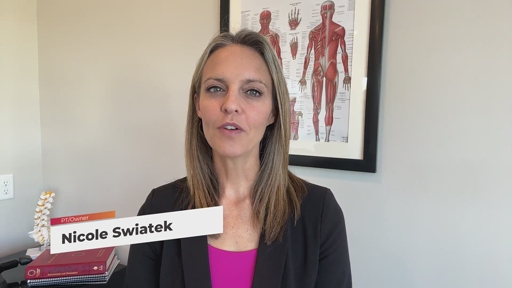
The article provides non-financial fall-prevention guidance for Buffalo, NY seniors, emphasizing regular balance and strength exercises, home safety changes (e.g., remove rugs, improve lighting, add grab bars/handrails), and safer footwear to reduce slip/trip risk. It also highlights medication side effects, vision/hearing health, and planning around winter ice/snow to help maintain mobility and confidence.
This is not a CRMT catalyst; it is a broad aging-in-place reminder with no visible path to earnings, margins, or financing impact for the stock. The only investable mechanism is a slow, fragmented shift in household spending toward balance aids, home modifications, and outpatient therapy, but that demand is too small-ticket and too local to matter near-term.
For healthcare, the second-order effect is mixed: fewer falls can reduce acute admissions, orthopedic procedures, and post-acute utilization over 6-18 months, but that benefit is diffuse and unlikely to show up in a single ticker without reimbursement or claims evidence. Any positive read-through to PT operators or home-safety retailers would be gradual and depends on insurer coverage, Medicare incentives, or a broader adoption curve, not a one-off local article.
The contrarian miss is overestimating "senior safety" as a spend catalyst. Most prevention behavior is cheap, incremental, and hard to monetize; the real question is whether payers begin funding prevention at scale. Absent a policy or claims data inflection, this should be treated as non-event noise for CRMT, and any headline-driven move should fade quickly.
AI-powered research, real-time alerts, and portfolio analytics for institutional investors.
Request DemoOverall Sentiment
neutral
Sentiment Score
0.10
Ticker Sentiment
