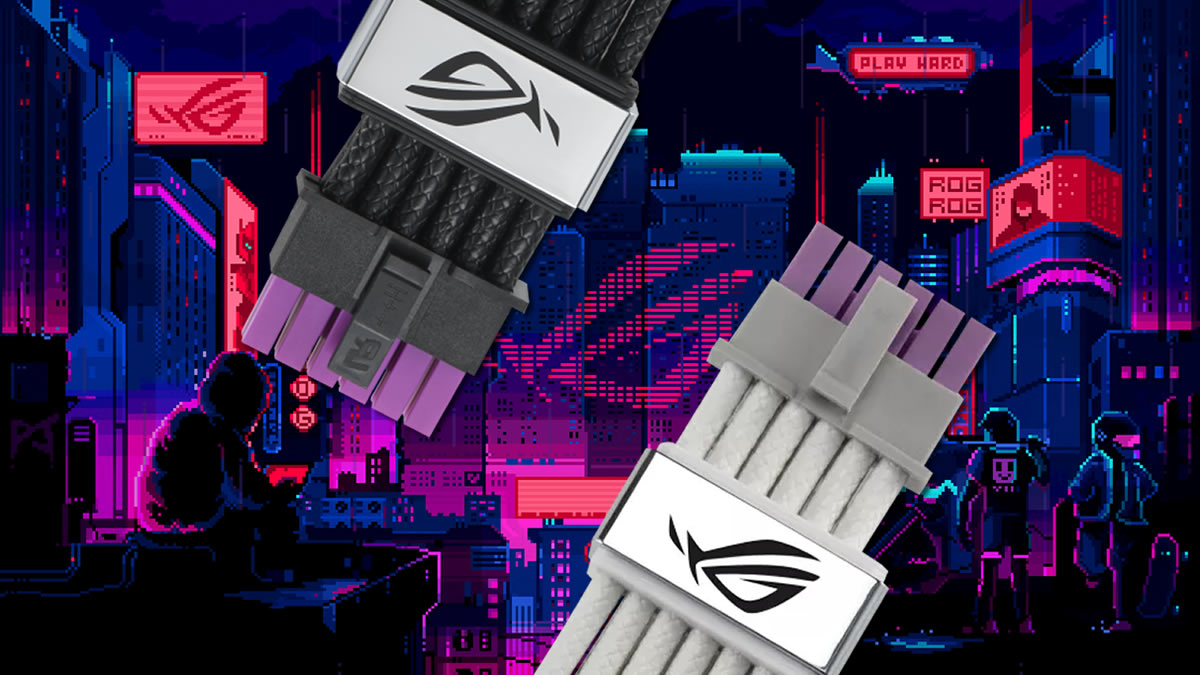
ASUS priced its ROG Equalizer 12V-2×6 GPU power cable at $49.99 on its US storefront and confirmed a White Edition variant plus standalone availability. The cable is designed to reduce overheating risk via automatic load balancing and a higher 17A per-cable current rating versus 9.2A for standard 12V-2×6 cables. While positive for ASUS product differentiation, the news is largely incremental and unlikely to materially affect markets.
This is less a direct revenue event for RTX than a signal that the ecosystem is monetizing reliability anxiety at the component level. The key second-order effect is margin migration: when the perceived failure mode becomes a premium accessory problem, GPU vendors keep the core hardware sale while PSU/cable specialists capture incremental wallet share from high-end builders. That tends to support premium branding for ASUS and power-delivery component vendors, while being only mildly negative for GPU OEMs unless connector failures re-enter the headlines and create reputational drag.
The more important issue is that this can extend the replacement cycle for top-end GPUs rather than accelerate it. If buyers believe they need a $50 mitigation layer to protect a $1,000+ card, some portion of prospective upgrades gets deferred until there is clearer evidence the broader power-delivery stack is solved; that is a near-term headwind for enthusiast demand elasticity, not unit demand outright. Over months, the market may interpret this as a sign that the platform still has unresolved thermal/power integrity risk, which keeps a valuation overhang on any supplier most associated with the connector standard.
The contrarian view is that the market may be underestimating how quickly a “safety tax” becomes normalized in premium PC builds. If this category scales, it is additive for accessory attach rates and could become a recurring high-margin consumables-like stream, especially if competitors rush in with cheaper alternatives and force the standardization of upgraded cables across PSU brands. In that scenario, the pricing power is not in the cable itself but in who owns the trusted certification layer.
For RTX, the catalyst path is mostly sentiment-driven and likely measured in weeks, not quarters: any new connector incident would re-open the debate and pressure the ecosystem, while a clean launch of competing products would reduce the moat around the ASUS offering. Absent fresh failures, the trade impact should fade, but the existence of a standalone, cross-PSU solution suggests the industry is still one headline away from renewed scrutiny.
AI-powered research, real-time alerts, and portfolio analytics for institutional investors.
Request DemoOverall Sentiment
neutral
Sentiment Score
0.15
Ticker Sentiment
