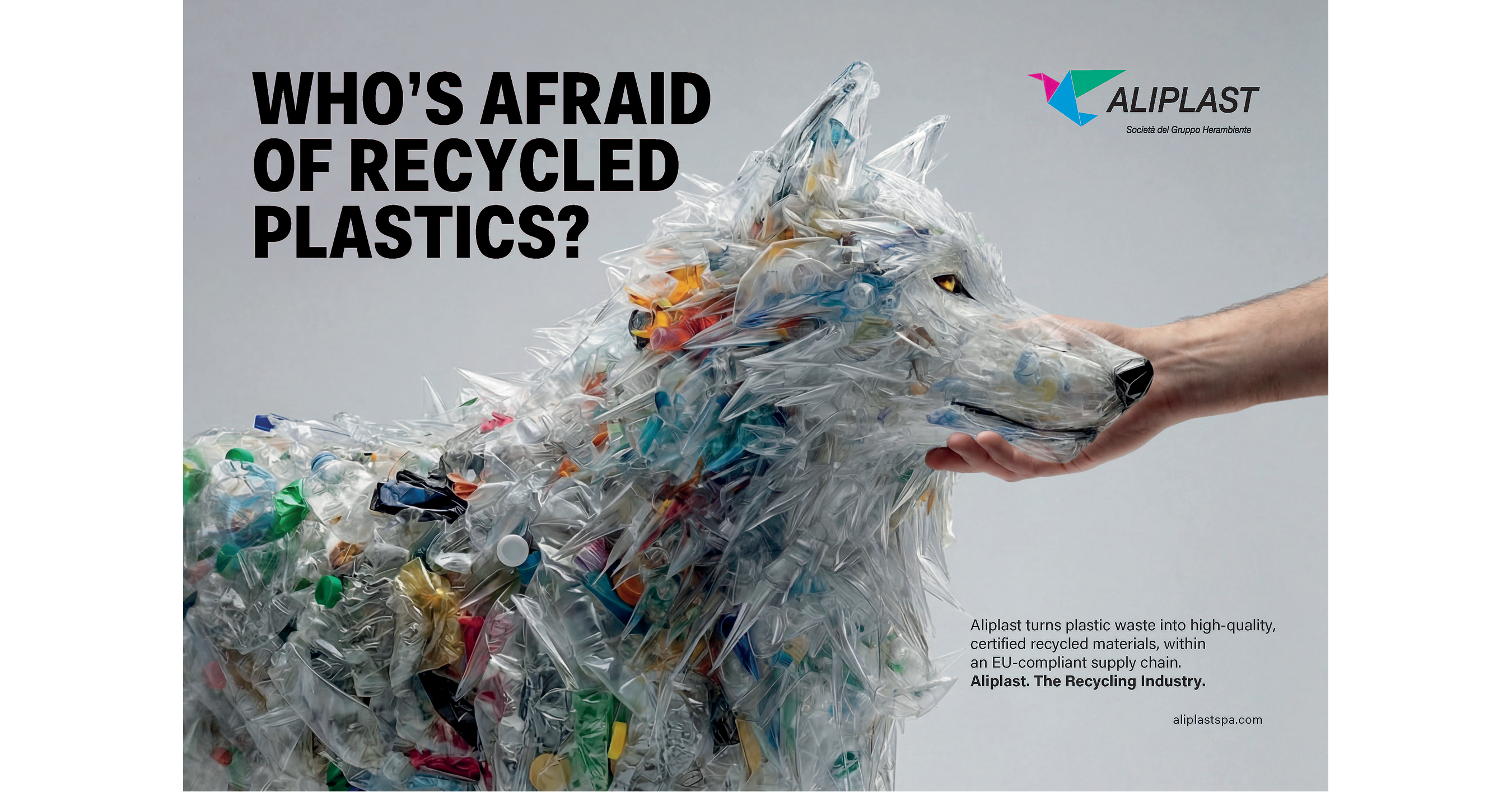
Aliplast (Hera Group) agreed to acquire a 70% stake in Kronos Polymer Polska (to be formed via spin-off), with a plant capacity of 12,000 tonnes/year for PE sorting, grinding and washing in Gniew, Poland. The deal supports expansion of Aliplast’s recycling capacity to over 210,000 tonnes/year (doubling flexibility) alongside other Italian projects. Closing is expected by end-2026, subject to standard conditions precedent (including demerger completion and environmental permit transfer), with management positioning the move as aligned to PPWR-driven packaging-waste requirements.
This is less an immediate earnings catalyst than a regulatory moat-building move. Under PPWR, the economic value is shifting from simple recycling tonnage to certified, traceable PCR supply, which should support better utilization and pricing discipline for integrated operators with permits, QA systems, and customer relationships. That favors Hera’s waste-to-material platform and pressures smaller recyclers and brokers that lack balance-sheet strength to fund sorting, washing, and compliance upgrades.
Near term, the P&L impact is likely modest because closing depends on demerger/permit mechanics and the asset is still small versus group scale. The market risk is over-extrapolation: investors may treat this as an earnings event when it is really a multi-year option on packaging compliance and local sourcing. If permit timing slips or EU enforcement proves less stringent than expected, the rerating should fade quickly.
The deeper contrarian angle is that scarcity, not volume, may drive returns: high-spec recycled PE could remain tight even as headline recycling capacity expands. That creates a spread opportunity between compliant incumbents and virgin polymer exposure; integrated waste names should hold up better than commodity chemical producers. Second-order beneficiaries also include packaging converters that can lock in recycled feedstock early, while laggards face margin pressure from higher compliance costs and potential substitution away from non-recycled resin.
AI-powered research, real-time alerts, and portfolio analytics for institutional investors.
Overall Sentiment
mildly positive
Sentiment Score
0.25
