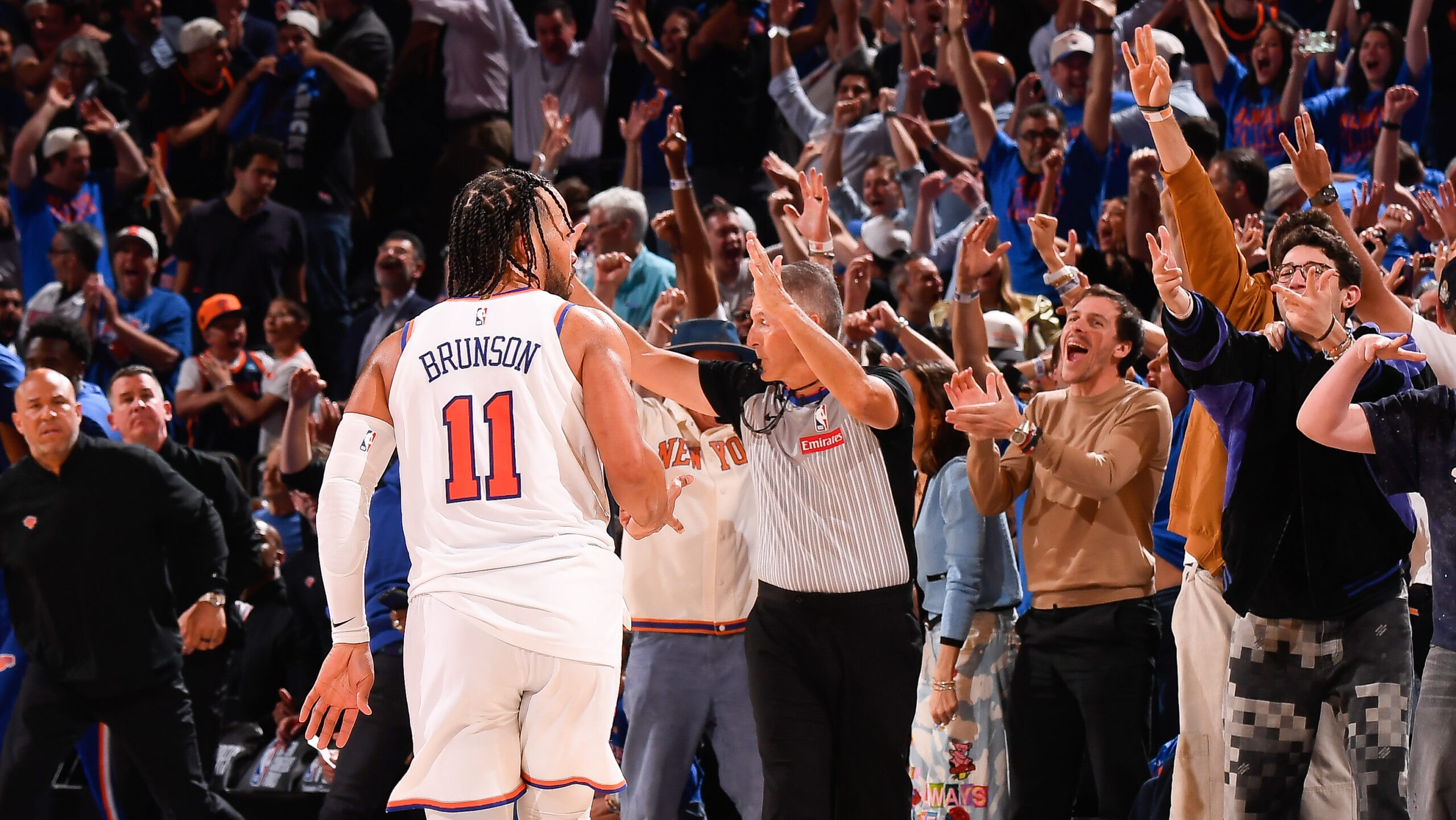
ESPN drew 7.1M average viewers for Knicks-Cavaliers Game 1 on May 19, the most-watched NBA Eastern Conference Finals Game 1 since 2018, with a peak of 8.87M at 10:45 p.m. ET. The audience was up 33% versus ESPN’s 2024 Western Conference Finals Game 1 and 9% versus last season’s Eastern Conference Finals Game 1. The game was the day’s top cable program among total viewers and led all key male and person demos.
The signal here is not just higher viewership; it is evidence that live sports remain one of the few premium ad environments where audience concentration is still improving, not eroding. That matters most for the owner of the rights, but the second-order effect is broader: ad buyers who need guaranteed reach will keep reallocating away from fragmented digital inventory into live-event CPMs, supporting pricing power for sports-heavy networks and their upfront negotiations over the next 1-2 quarters.
The more interesting implication is leverage across the sports media stack. A stronger NBA postseason strengthens the bargaining position of distributors and ad sales teams, but it also reinforces the moat of leagues with scarce live inventory versus general entertainment. If this trend persists into the Finals and next season, the market should start paying up for companies with recurring access to high-engagement live windows, while discounting pure-play scripted content businesses that lack event-driven audience spikes.
The main risk is that one strong game can be a sample-size illusion if later rounds revert to average. For the thesis to matter financially, we need sustained multi-game strength and evidence that advertisers translate ratings into higher scatter pricing or better upfront commitments; otherwise this is a headline-positive but revenue-neutral print. Another reversal risk is cord-cutting overhang: if streaming distribution captures the audience without monetizing at linear-equivalent rates, top-line enthusiasm can outpace EBITDA impact.
Contrarian view: the market may already be too willing to extrapolate any sports ratings beat into durable media valuation upside. The better setup may not be the broadcaster itself, but adjacent beneficiaries with more operating leverage to ad-market strength and less headline risk. Watch for confirmation over the next 2-6 weeks in sports-ad CPM commentary and upfront demand before paying up for the narrative.
AI-powered research, real-time alerts, and portfolio analytics for institutional investors.
Request DemoOverall Sentiment
moderately positive
Sentiment Score
0.35
