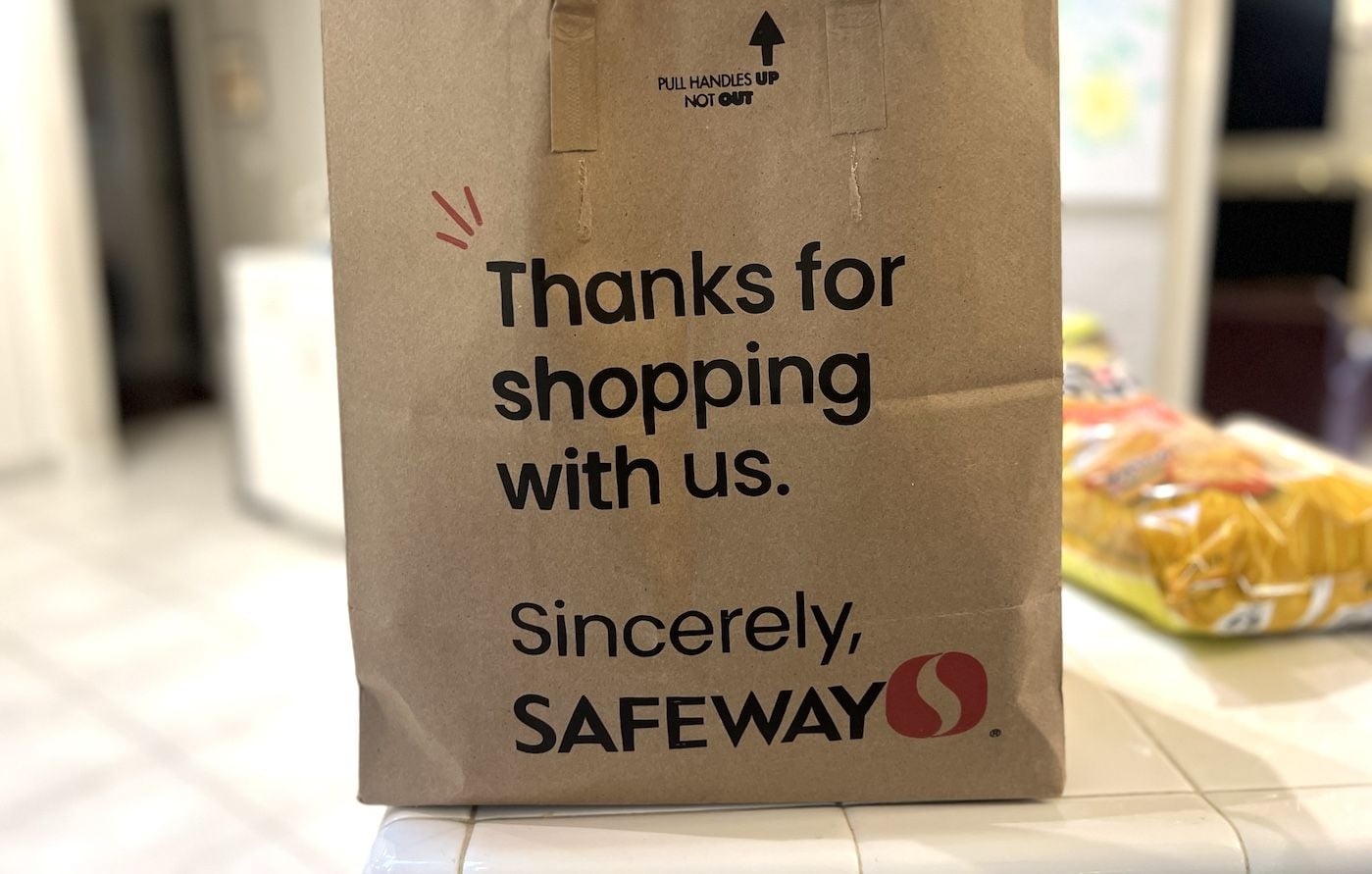
Safeway has begun restocking some locations with paper bags that have handles after customer complaints, reversing an earlier switch driven by supplier shortages. The issue appears localized and operational rather than financial, though it underscores ongoing supply chain constraints and the impact of California's plastic bag rules. Most Bay Area stores reportedly still have mostly handleless bags, and Albertsons has not disclosed a full list of locations.
This is not a grocery margin story; it is a service-level reminder that low-friction consumables can create outsize brand noise when they are removed. The operational impact is likely immaterial, but the signal is meaningful: when a retailer changes a mundane item in a way that burdens the customer, it can trigger immediate traffic leakage to closer substitutes, especially in highly competitive grocery corridors where basket-share is already elastic.
The second-order effect is on procurement discipline. If the original bag is coming back intermittently, the issue is probably not structural cost pressure but supplier allocation and SKU complexity, which means the fix is more about execution than economics. That tends to favor larger grocers with better vendor leverage and more resilient private-label packaging contracts, while punishing chains that rely on centralized decisions that can feel “cheap” at the shelf level.
The regulatory angle matters more over months than days. California’s evolving bag rules create a patchwork that can keep packaging in flux and raise the probability of inconsistent store-level execution, especially for regional chains operating across municipalities with different enforcement norms. The risk is that customers don’t distinguish between regulatory necessity and retailer inconvenience; they simply attribute friction to the banner, which can subtly erode loyalty in an industry where frequency matters more than one-off basket size.
Contrarian takeaway: the backlash itself suggests consumers are more sensitive to small convenience degradations than many retailers model, which is bullish for chains that compete on execution rather than price alone. The move is probably overdone as a headline, but underdone as a management warning sign for any retailer considering similar “tiny savings, visible pain” trade-offs. The best opportunities sit in relative value: not betting on Safeway-specific economics, but on who can preserve customer ease while absorbing compliance and supply-chain noise.
AI-powered research, real-time alerts, and portfolio analytics for institutional investors.
Request DemoOverall Sentiment
neutral
Sentiment Score
-0.05
