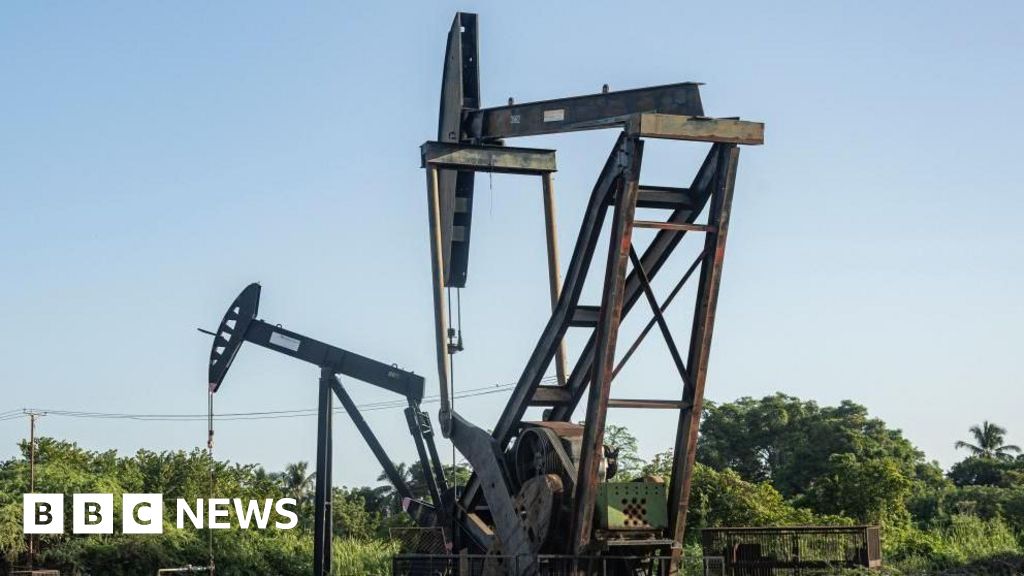
U.S. officials have reportedly planned to intercept and seize a Russian-flagged oil tanker, the Marinera (formerly Bella 1), believed to be carrying Venezuelan crude and currently in the North Atlantic between Scotland and Iceland; the vessel allegedly reflagged and renamed after previously being pursued by the U.S. Coast Guard for sanctions breaches. The potential boarding — complicated by distance and weather — follows prior U.S. seizures of sanctioned tankers and has prompted Russian protests, raising short-term geopolitical risk that could increase volatility in oil prices, shipping rates and marine insurance spreads for traders and allocators with exposure to energy and logistics sectors.
Market structure: A US boarding/seizure campaign raises short-term winners (US defense primes, maritime security contractors, P&I reinsurers) and losers (owners/operators of sanctioned tankers, buyers of Venezuelan/black-market crude, certain Russian-linked trading houses). Expect a near-term spike in tanker freight volatility: dirty tanker indices (BDTI/TD3C) could jump 10–30% in 0–30 days and Brent/WTI +$1–$4 on perceived supply friction, with EM sovereign spreads (Venezuela, Guyana-linked credits) widening 200–500bp if multiple seizures occur. Risk assessment: Tail risks include a US–Russia naval incident or retaliatory cyber/shipping sanctions that push crude +$5–$15 and force prolonged insurance hardening; probability low (<15%) but impact high. Immediate window (0–14 days) is operational risk (boarding, legal claims); 1–3 months sees insurance and rerouting effects; 6–12+ months could structurally raise tanker time-charter rates if blacklisting persists. Hidden dependencies: AIS spoofing, IMO/IMO-number tracking, and insurer blacklists can materially change ownership/liability outcomes. Trade implications: Tactical plays include short-term long Brent call spreads sized 0.5–1% notional to capture a $1–4 move; 1–3% long in defense names (LMT/RTX) for 3–12 months to capture procurement upside; 0.5–1% long in tanker owners (FRO, EURN) as a volatility pair if BDTI >+10% within 14 days. Hedge sovereign/EM risk by buying CDS or shorting RSX on confirmed escalation. Contrarian angles: The market may overprice escalation; one successful seizure without wider retaliation historically (e.g., 2019 Gulf incidents) produced 2–6 week premiums then mean-reversion. If Brent rallies >$3 but BDTI remains flat, consider fading via short crude calendar spreads. Watch for unintended consequence: tighter insurance leading to durable tanker capacity shortages that would benefit owners for 6–18 months.
AI-powered research, real-time alerts, and portfolio analytics for institutional investors.
Request DemoOverall Sentiment
moderately negative
Sentiment Score
-0.45
