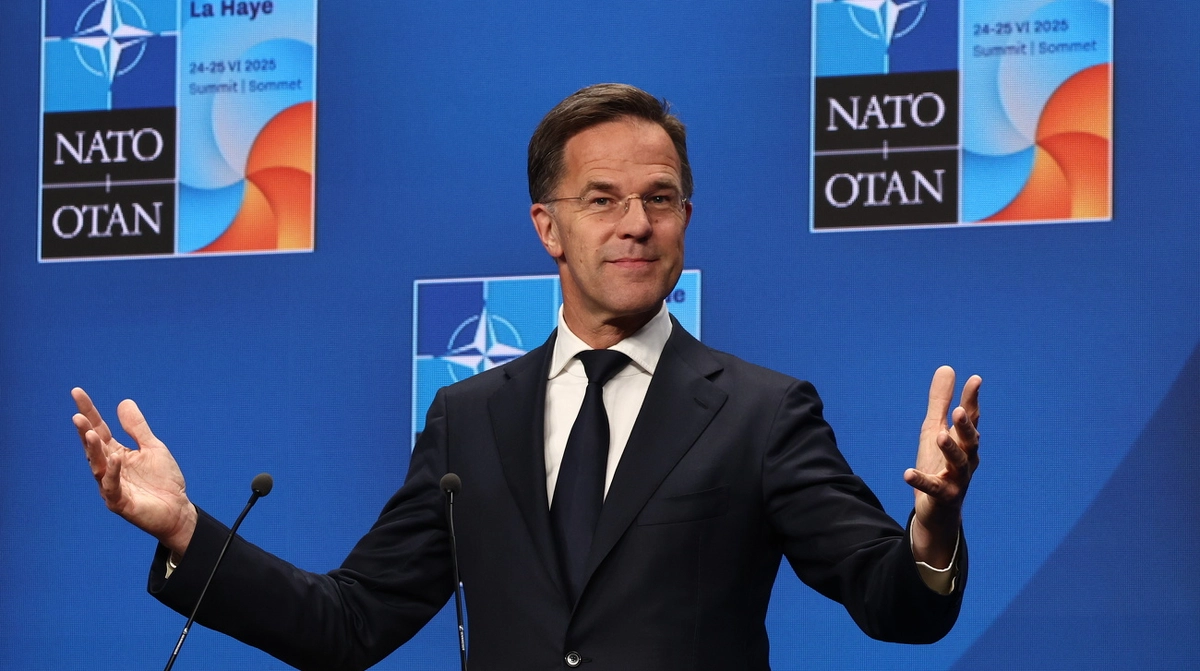
NATO Secretary General Mark Rutte said Alliance members are expected to provide Ukraine with US$60 billion in military assistance in 2026, excluding any additional EU loan funding. He said the money should prioritize air defense, drones, and extended-range ammunition, and that the PURL mechanism for purchasing US weapons for Ukraine will continue in 2026. The article also highlights concern over uneven burden-sharing among NATO members.
The important market signal is not the headline amount; it is the institutionalization of a recurring procurement stream for air defense, drones, and long-range munitions. That shifts the spending mix away from one-off humanitarian/budget transfers and toward categories with tighter supply chains, longer lead times, and better visibility for defense contractors, electronics suppliers, and missile component vendors over the next 12-24 months.
Second-order effects should accrue first to the ammunition and interceptor bottlenecks, not the primes themselves. Capacity-constrained suppliers with exposure to seekers, propulsion, guidance, and energetics can re-rate faster than broad defense indices because incremental NATO demand is being layered onto already-stretched Western inventories; that creates pricing power and backlog extension. European budget support also reduces near-term sovereign funding stress in Kyiv, which lowers the odds of abrupt procurement disruption and supports a steadier demand curve for defense logistics and transport names.
The key risk is political slippage rather than military demand destruction. If burden-sharing remains uneven, some members will slow-roll commitments, turning a headline pledge into back-end-loaded orders; that argues for a 3-6 month monitoring window on actual contract awards versus communiques. A ceasefire would be the main downside catalyst, but absent that, the more likely reversal is a funding gap or a shift in US participation that delays PURL-related purchases by one or two budget cycles.
Consensus may be underpricing the supply-chain beneficiaries relative to the obvious defense primes. The better expression is to own the names that sit one or two tiers down the chain where incremental volume converts into operating leverage with less headline risk. On the other side, European fiscal space remains the limiting factor, so the support package could crowd out marginally funded domestic capex or force higher issuance, which is relevant for rates-sensitive sectors in Europe rather than for equities directly.
AI-powered research, real-time alerts, and portfolio analytics for institutional investors.
Request DemoOverall Sentiment
neutral
Sentiment Score
0.15
