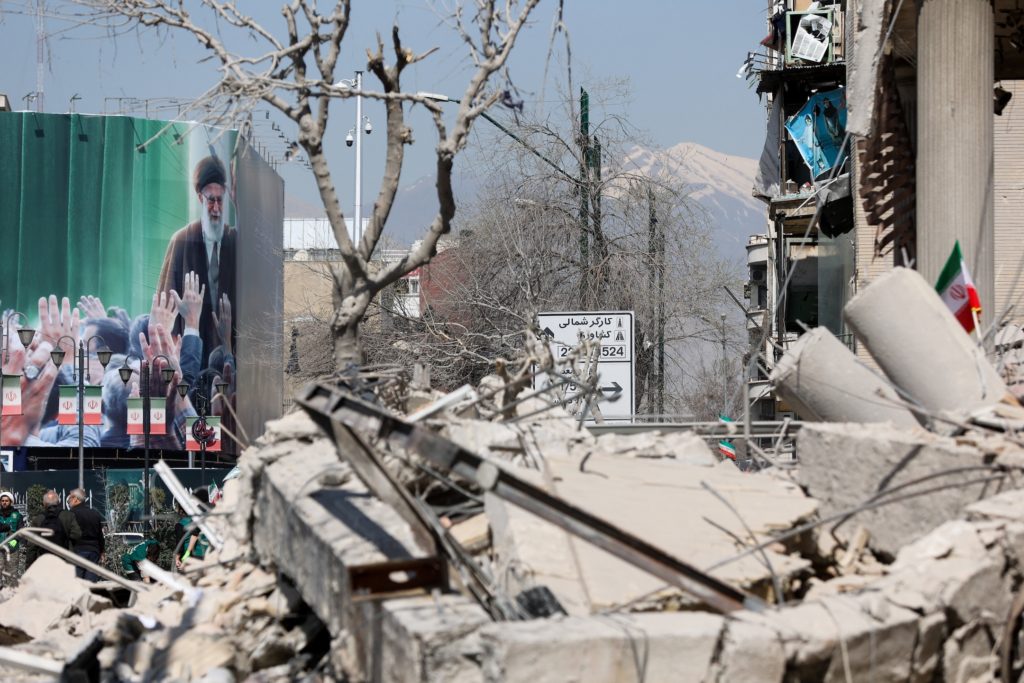
The U.S.-Iran conflict has escalated markedly: U.S. officials say more than 2,000 targets have been struck and plan to strike deeper into Iran, a U.S. submarine torpedo sank the Iranian warship IRIS Dena, Iran reports over 920 dead and has launched more than 2,500 missiles and drones (launches recently down 23%). The war has spilled into NATO airspace with an Iranian missile/drone intercepted over Turkey and attacks have hit Gulf energy infrastructure, including fires in an Emirati oil zone; six Americans have been killed and roughly 17,500 U.S. citizens have evacuated the region. The combination of deeper strikes, naval engagements and direct hits on regional energy facilities raises near-term downside risk to oil supply, regional trade and risk assets, implying elevated volatility and likely safe-haven flows.
Market structure: Defense names (LMT, NOC, RTX) and commodity producers (XOM, CVX, SLB) are near-term beneficiaries as demand for munitions, surveillance and secure energy supplies rises; precious-metals miners (NEM, GOLD) and tanker owners should also see inflows. Losers include commercial aviation (AAL, UAL, DAL, JETS ETF), regional EM credits (Iran, GCC-linked banks) and Gulf-based energy infrastructure owners exposed to strikes. Cross-asset flows are classic risk-off: higher T-bond bids (TLT), USD strength (UUP), higher VIX and rising Brent/WTI leading to wider commodity term structure/backwardation risk.
Risk assessment: Tail scenarios include closure/disruption of the Strait of Hormuz or attacks on major Gulf export terminals producing a 5–15% immediate crude gap and a >30% short spike in Brent—high impact but <20% probability absent further escalation. Time horizons: days = volatility spikes and flight to safety; weeks–months = oil/defense rerating and insurance/shipping repricing; quarters+ = capex reallocation (higher defense/energy capex, faster renewables transition if prices stay elevated). Hidden dependencies: insurance premiums, bunker costs, and rerouting raise freight/tanker demand; sanctions and Congressional authorizations are binary catalysts.
Trade implications: Tactical plays: small but real positions (2–4% portfolio) in majors/defense with defined stops; hedge via TLT/GLD and short JETS or airline single-names. Options: buy 3–6 month call spreads on XOM/CVX and 1–3 month puts on JETS; consider protective collars on defense longs to limit downside. Entry/exit: deploy into volatility spikes; trim 50% after +20% move in underlying oil or if Brent >$95 for more than ten trading days.
Contrarian angles: The market may be over-pricing persistent supply disruption—historically (1990s Gulf War) oil spiked then mean-reverted within 3–6 months once shipping lanes stayed open. If US air/supra-control reduces Iranian strike frequency, energy premium compresses quickly; this risks short-term losses for levered commodity plays. Manage size, use calendar spreads to monetize elevated near-term contango/backwardation, and re-assess at 30/60/90-day checkpoints.
AI-powered research, real-time alerts, and portfolio analytics for institutional investors.
Request TrialOverall Sentiment
strongly negative
Sentiment Score
-0.75
