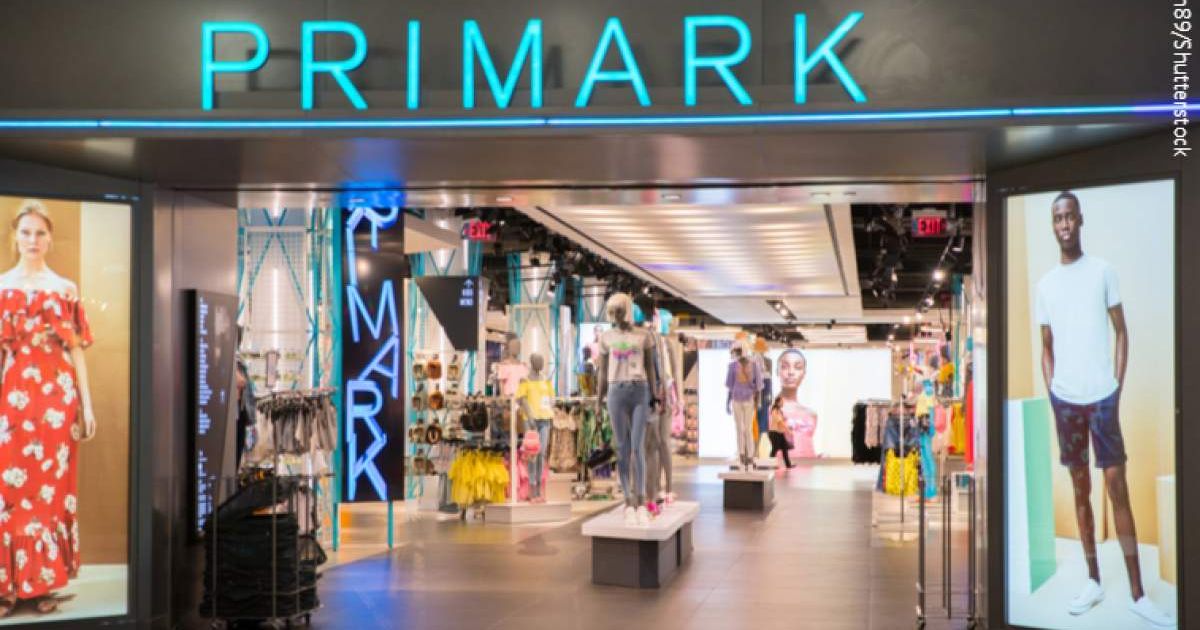
Primark started the financial year below expectations, with overall sales growth of around 1% in the 16 weeks to 3 January (UK sales +3%, UK like-for-like ≈ +1.7%, continental Europe like-for-like ≈ -5.7%; store openings added ~4%). Increased markdowns to clear stock have pressured profitability and, if trends persist, Primark’s adjusted operating profit margin is expected to be about 10% for the year (comparable to H1), while Associated British Foods now expects group adjusted operating profit and adjusted EPS to be below last year; Grocery and Ingredients are forecast to deliver profits moderately below prior year whereas Sugar and Agriculture guidance is unchanged. Final revenue figures will be released on 22 January.
Market structure: Primark’s miss is concentrated and measurable — continental Europe (~50% of Primark sales) delivered like‑for‑like -5.7% while overall group sales were ~+1% with store openings adding ~+4%. That shifts near‑term pricing power away from value apparel in parts of Europe, forces elevated markdowning (compressing gross margin toward a ~10% adjusted operating margin), and should widen credit spreads for ABF relative to UK staples. Cross‑asset: expect higher implied vols on ABF equity, modest GBP downside vs USD/EUR on weaker consumer stories, and limited commodity impact (cotton/petrochemical exposure minimal but downward clothing demand could pressure raw‑material dress prices).
Risk assessment: Tail risks include a deeper Europe recession (GDP down >1% YoY) or inventory overhang forcing another 3–5ppt margin hit; operational risks include franchise rollouts (US/Kuwait) failing to scale. Near term (days–weeks) risk clusters around the 22 Jan revenue release and January UK/EU consumer confidence prints; short term (months) Easter/tourism footfall will matter; long term (quarters) depends on whether markdowns clear inventories and restore margins. Hidden dependencies: FX translation, European lease cost resets, and food division weakness could amplify group EPS declines.
Trade implications: Direct play — tactical short ABF.L sized 2–3% portfolio via a 3‑month put spread (buy ATM, sell 10% OTM) executed before 22 Jan to cap cost and capture >10% downside if guidance is cut; pair trade — long NXT.L (2%) vs short ABF.L (2%) to isolate Primark Europe exposure. Options — consider buying 3‑6 month calls on UK fast‑fashion/discount online names (BOO.L/ASC.L) sized 1% to capture rotation if consumer confidence stabilises. Rotate portfolio 2–4% from discretionary into ULVR.L/consumer staples and increase short‑dated gilts (2y) exposure by 2–3% to hedge volatility.
Contrarian angles: The market may underprice Primark’s structural low‑cost model — if markdowns clear inventories, margins could recover H2 and Europe improvement of +2–3% LFL would re-rate ABF. Historical parallels: post‑cycle markdowns in value retailers often precede stabilisation, not permanent share loss, so size shorts conservatively and set stop losses at 8–12%. Catalysts that would make this trade wrong: a clear Eurozone demand rebound (consumer confidence +5pts) or stronger US footfall within 60–90 days.
AI-powered research, real-time alerts, and portfolio analytics for institutional investors.
Request DemoOverall Sentiment
moderately negative
Sentiment Score
-0.50
