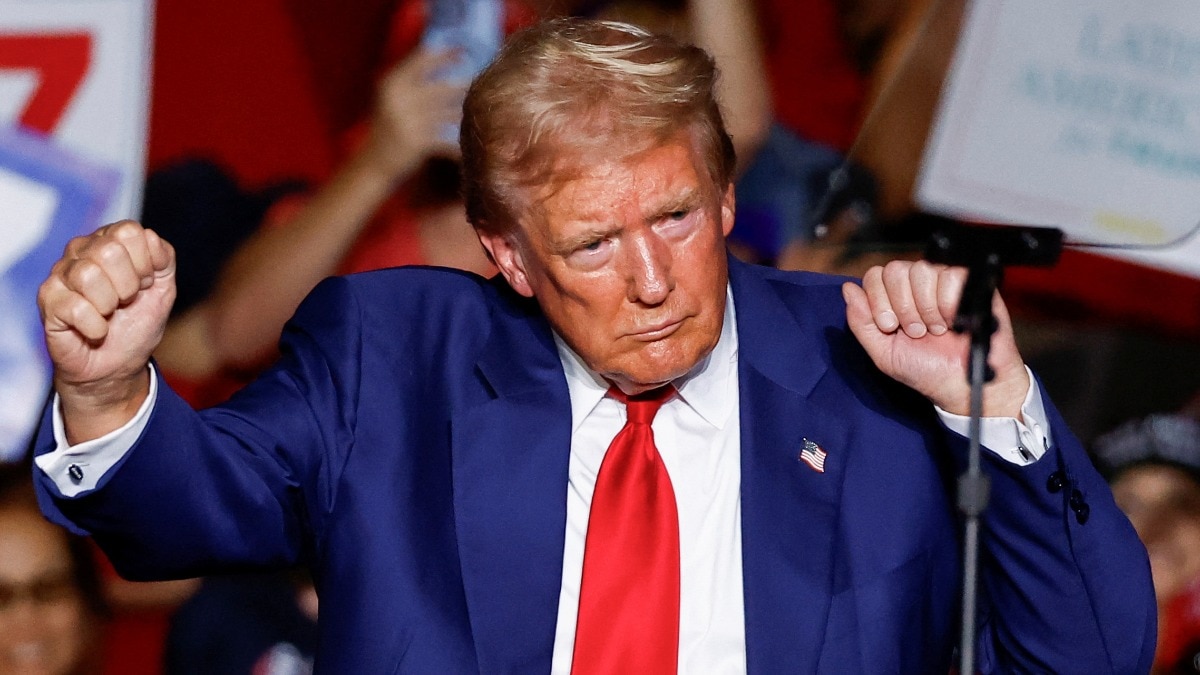
The Norwegian Nobel Committee received 287 nominations for the 2026 Nobel Peace Prize, including 208 individuals and 79 organizations, with Donald Trump expected to be among the nominees. Publicly disclosed nominations also include figures such as Lisa Murkowski, Aaja Chemnitz, Volodymyr Zelenskyy, Greta Thunberg, Francesca Albanese, and Maia Sandu. The committee also expressed concern over jailed Nobel laureate Narges Mohammadi's worsening health, while the prize announcement is scheduled for October 9 in Oslo.
The market implication is not the nomination itself, but the way it can extend the administration’s incentive to keep foreign-policy headlines positive into the autumn window. That creates a higher probability of symbolic deal-making, accelerated ceasefire messaging, or pressure on allies/mediators to produce visible progress before the announcement date, which can briefly compress geopolitical risk premia in defense-sensitive regions. The effect is mostly sentiment-driven and likely short-lived unless it translates into concrete policy concessions or a genuine de-escalation track.
Second-order, the clearest beneficiaries are assets that are levered to lower headline conflict risk rather than to any single peace process. That means emerging-market proxies, select European cyclicals, and regional carriers/energy names could see modest multiple relief if markets start pricing a lower probability of escalation in the Levant or Eastern Europe. The bigger risk is reverse signaling: if the prize narrative makes diplomacy look performative, any failed initiative could increase cynicism and widen spreads again faster than they compressed.
The contrarian view is that this is mostly noise until there is evidence of operational follow-through. Nobel timing creates a fixed catalyst, but the real trading window is the next 2-6 months: one or two successful de-escalatory steps would matter far more than the award outcome itself. Conversely, if talks stall or rhetoric hardens, the headline premium evaporates quickly and the market snaps back to existing conflict probabilities.
For healthcare and governance watchers, the mention of the imprisoned laureate is a reminder that human-rights pressure can create intermittent sanctions and reputational risk for Iran-linked counterparties. That is more relevant for event-driven and regional-risk books than for broad beta, but it can matter if pressure on Tehran widens into medical-release concessions or prisoner-swap diplomacy.
AI-powered research, real-time alerts, and portfolio analytics for institutional investors.
Request DemoOverall Sentiment
neutral
Sentiment Score
0.05
