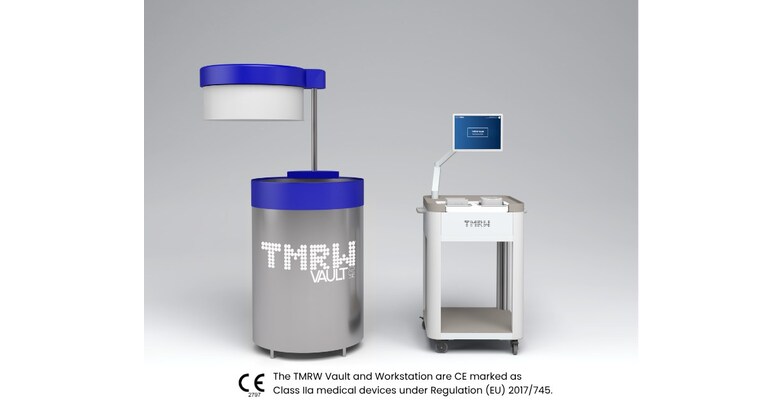
Reprotech announced that its TMRW Vault® received CE marking as a Class IIa medical device under the EU MDR, enabling EU commercialization and support for use in other CE-recognizing markets. The product combines RFID/digital chain-of-custody, continuous monitoring, and scalable cryostorage (up to ~10 traditional dewars in ~one-third of the footprint) to reduce manual-error risk and improve specimen traceability for fertility clinics. The update follows the April 2026 Reprotech–TMRW business combination, reinforcing expanded commercialization potential, though without any quantified financial impact disclosed.
The CE mark is best viewed as a de-risking event, not a demand event. For REDLF, the incremental value is in shortening procurement cycles and reducing compliance friction for EU clinics, which can matter more than the device itself if management can convert this into a repeatable installation motion. The market should be skeptical of any immediate revenue step-up until there is evidence of orders, installs, or backlog conversion.
Second-order, the bigger threat is to legacy manual cryostorage workflows and fragmented point solutions, because fertility clinics tend to prefer one accountable system for chain-of-custody, monitoring, and storage administration. That can create modest share gains versus smaller niche vendors, but it also invites price competition from larger medtech incumbents once the category proves out, which could cap gross margin expansion. The upside is more recurring revenue mix if software, monitoring, and offsite storage attach rates rise with each installation.
Timing matters: over the next few days this can trade like a press-release pop with limited fundamental follow-through. The real catalyst window is 1-3 months, when first EU customer wins, distributor relationships, or quantified pipeline data would validate the commercialization thesis; absent that, the move is likely overdone. Over 6-18 months, the structural question is whether REDLF can turn regulatory access into a durable installed base before clinic capex budgets, procurement delays, or competitor bundling slow adoption.
AI-powered research, real-time alerts, and portfolio analytics for institutional investors.
Overall Sentiment
mildly positive
Sentiment Score
0.35
Ticker Sentiment
