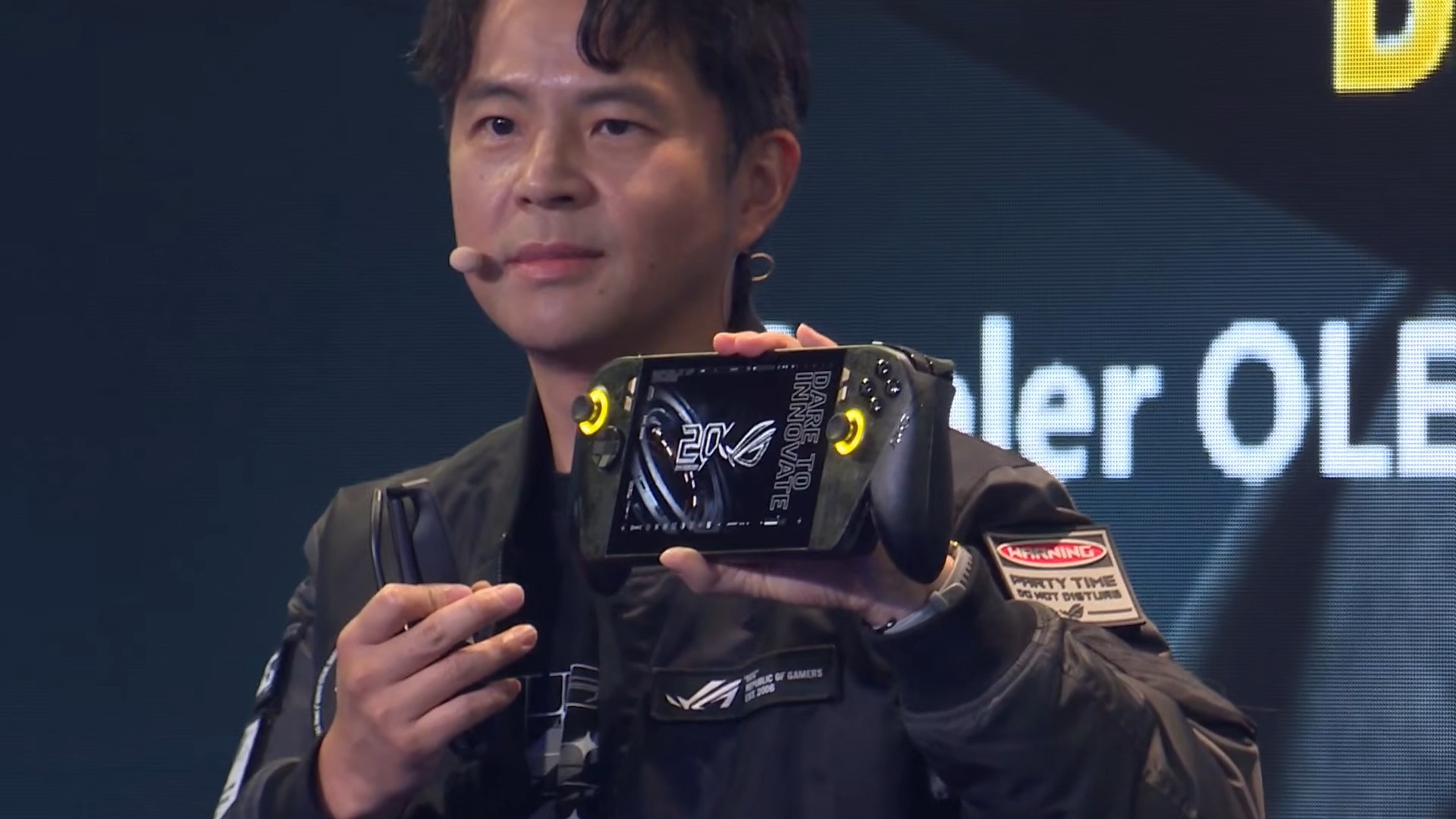
ASUS unveiled the ROG Xbox Ally X20 handheld, highlighting a larger 7.4-inch FHD OLED display with 120Hz refresh, FreeSync Premium Pro support, and 1,400-nit peak brightness. The device also adds TMR joysticks, a new transforming d-pad, redesigned face buttons, and rubberized grips aimed at improving durability and ergonomics. The announcement is a product refresh that supports ASUS's gaming hardware lineup, but it is unlikely to have a near-term market-moving impact.
This is a modest but real signal that the handheld PC/gaming ecosystem is shifting from spec-sheet parity toward premium differentiation. The move to OLED and higher-end controls should disproportionately pressure mid-tier Windows handhelds that compete on price but lack a clear experiential edge; in practice, that means the winner is less "ASUS alone" and more the broader component stack that makes premium handhelds possible. The most obvious second-order beneficiaries are display and input suppliers if the design wins scale, while rivals without comparable panel quality or battery efficiency risk being pushed into discounting or slower refresh cycles.
The key battleground is not unit volume next quarter, but attach-rate economics over the next 12–24 months. Premium handhelds only work if consumers believe they are replacing a switch-like casual device with a portable PC that feels meaningfully better in daily use; OLED, low-drift sticks, and improved ergonomics are all aimed at reducing churn and returns, which can materially improve lifetime margin even if launch ASPs remain high. If the product lands well, it also strengthens the case for a broader ecosystem of accessories, docks, and software optimization, which can be more profitable than the handheld hardware itself.
The contrarian risk is that the category may be nearing feature saturation before demand scales. Historically, handheld PC launches see a burst of enthusiast interest, then a fade once buyers realize battery life, thermals, and Windows friction still cap the experience; the incremental hardware upgrades here do little to solve those structural issues. That means the market could overestimate the revenue uplift while underestimating warranty, return, and discounting pressure if the premium launch fails to expand beyond early adopters.
From a trading perspective, this is more interesting as a relative-value read-through than a direct single-name catalyst. The best setup is to own the component/exposure beneficiaries with pricing power and short the weaker handheld hardware ecosystem names if a premium-launch cycle triggers channel inventory builds and margin pressure. Time horizon is months, not days: the market usually takes one to two quarters to separate genuine demand from launch hype.
AI-powered research, real-time alerts, and portfolio analytics for institutional investors.
Request DemoOverall Sentiment
mildly positive
Sentiment Score
0.35
