A magnitude 6.9 earthquake struck the central Philippines on September 30, resulting in at least 68 fatalities, over 500 injuries, and displacing nearly 80,000 people across Cebu and surrounding provinces. The quake caused extensive infrastructure damage, leading to critical shortages of food, water, and fuel in affected areas, significantly disrupting Cebu, a major trading and transportation hub. Relief efforts are complicated by the region's susceptibility to natural disasters and recent typhoon activity, suggesting potential for prolonged logistical and economic challenges.
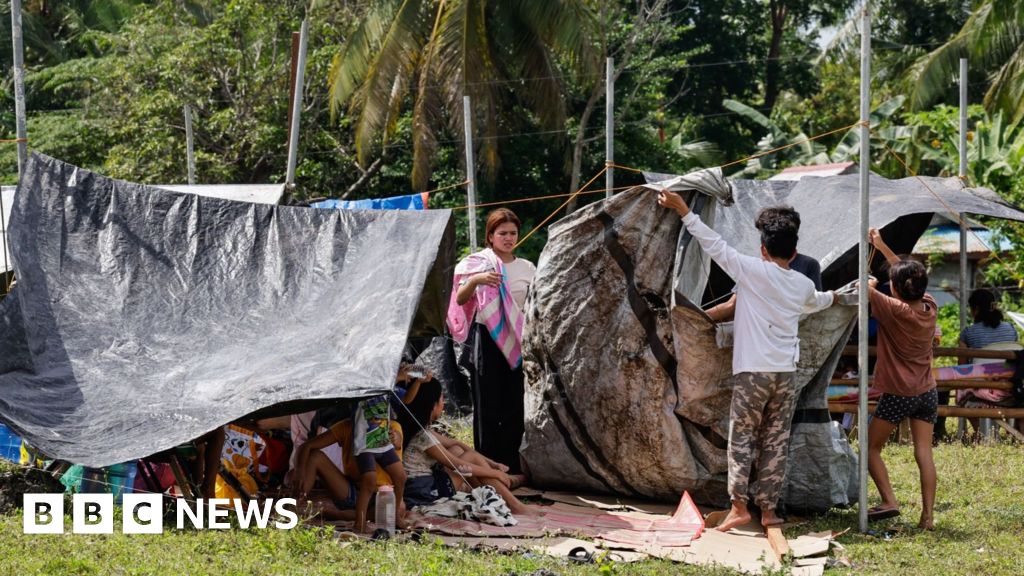
'When I stand, I feel dizzy': Deadly earthquake leaves Filipinos struggling in ghost towns Two days after a magnitude 6.9 earthquake struck her hometown in the central Philippines, Arguel Estalicas says she still feels dizzy everytime she stands up. That spinning feeling, coupled with a string of aftershocks, has left the 35-year-old tourism officer and many other survivors too scared to return to their homes, forcing them to live in tents temporarily. The earthquake shook the northern coast of Cebu, one of the country's most populous islands, on the night of 30 September, jolting many out of their sleep. It killed at least 68 people and wounded more than 500 others, as homes, buildings and churches collapsed and roads cracked. "I still couldn't process what has happened to us," Ms Estalicas tells the BBC. "I am overwhelmed with the things we experienced in the last two days." The 35-year-old lives in Medellin town, near the quake's epicentre. Disaster response officials say the earthquake displaced nearly 80,000 people across Cebu and nearby provinces. Cebu is a major trading and transportation hub in the central Philippines. She said she got out of bed screaming when the earthquake struck and ran outdoors with her family. They slept under the open sky, but when a light drizzle fell, Ms Estalicas and her family wrapped themselves up in plastic bags because they did not have raincoats. Photos on social media showed them slouched on plastic chairs, swathed in plastic bags fogged up by their breath. About 10km (6.2 miles) away, in San Remigio municipality, Lourenze Pareja also spent the night outdoors on the night of the earthquake. "There, under the night sky, we sat freely - in great faith - with our little lights, holding on to what resources we had," Mr Pareja wrote on Facebook. "Pray for us, everyone." When the ground started shaking, Mr Pareja said he grabbed his phone and ran to the street to livestream the unfolding chaos - neighbours in pyjamas leaving their homes, with their children and pets in tow. "Lord," the 25-year-old community journalist said in the livestream, calling out to God, seemingly unable to say much else. He said he checked neighbouring Bogo town and saw solar lamps casting a dim glow over streets strewn with boulders. "What was once a vibrant city has turned into a ghost town," he said. Food, water and fuel needed The Philippines is vulnerable to natural disasters. It is located on the geologically unstable "Ring of Fire" - so called because of the high number of earthquakes and volcanoes that occur here. The Cebu earthquake on Tuesday is among the strongest and deadliest in recent years. In 2013, a 7.2-magnitude earthquake in neighbouring Bohol island killed over 200 people and destroyed centuries-old churches. On Thursday, rescuers searched through rubble as authorities worked to deliver food, restore power and communication lines, and clear roads of debris. The Philippine military has deployed troops to help maintain order during relief efforts. However, daily necessities remain a pressing concern for many. Photographer Doods Demape decided on Thursday to make a four-hour drive from Medellin to the provincial capital to buy supplies since no supermarkets were open. Mr Demape says he struggled to find a petrol station that was not swamped with long queues. "Most roads are now passable so supplies are now coming in from the city. But immediate supplies like water and food, especially for the children are not yet available," he tells the BBC. In Bogo city, the quake's epicentre, local media reports show body bags lined on the street in front of makeshift hospitals where the injured are being treated. This week's earthquake comes in the middle of a fierce typhoon season. Two back-to-back storms inundated large swathes of the country a week before. Widespread floods from those storms and earlier monsoon rains have stirred public anger and triggered street protests. Cebu is especially prone to typhoons. It lies on the general path of storms that form over the Pacific. The island's northern region, the epicentre of Tuesday's quake, was struck by Super Typhoon Haiyan in 2013. That storm killed over 6,000 people in the entire central region. Among the many buildings damaged by Tuesday's earthquake was a relocation site for survivors of Haiyan. Despite their present challenges, Cebu locals like Ms Estalicas and Mr Pareja are hopeful that they could survive the earthquake, as they did after Haiyan and the calamities before it. They say survivors are helping each other, what Filipinos call bayanihan or community. "My only prayer is that help won't be delayed - and that neighbouring municipalities will also be considered and covered in these relief efforts," Mr Pareja said. A magnitude 6.9 earthquake has inflicted significant human and infrastructural damage in the central Philippines, critically disrupting Cebu, a major national trading and transportation hub. The immediate impact includes at least 68 fatalities, over 500 injuries, and the displacement of nearly 80,000 people, creating an acute humanitarian crisis marked by shortages of food, water, and fuel. For investors, the key takeaway is the severe disruption to logistical and commercial activities; the damage to roads and buildings has paralyzed a vital economic artery, turning a 'vibrant city into a ghost town.' This event's negative economic effects are compounded by the region's existing vulnerabilities, including its location on the 'Ring of Fire' and its exposure to a fierce typhoon season, with two major storms having recently hit. The need for extensive relief and reconstruction will place considerable strain on government resources and presents a significant headwind to regional economic activity, with potential ripple effects on supply chains dependent on this hub.
AI-powered research, real-time alerts, and portfolio analytics for institutional investors.
Request DemoOverall Sentiment
extremely negative
Sentiment Score
-0.80
