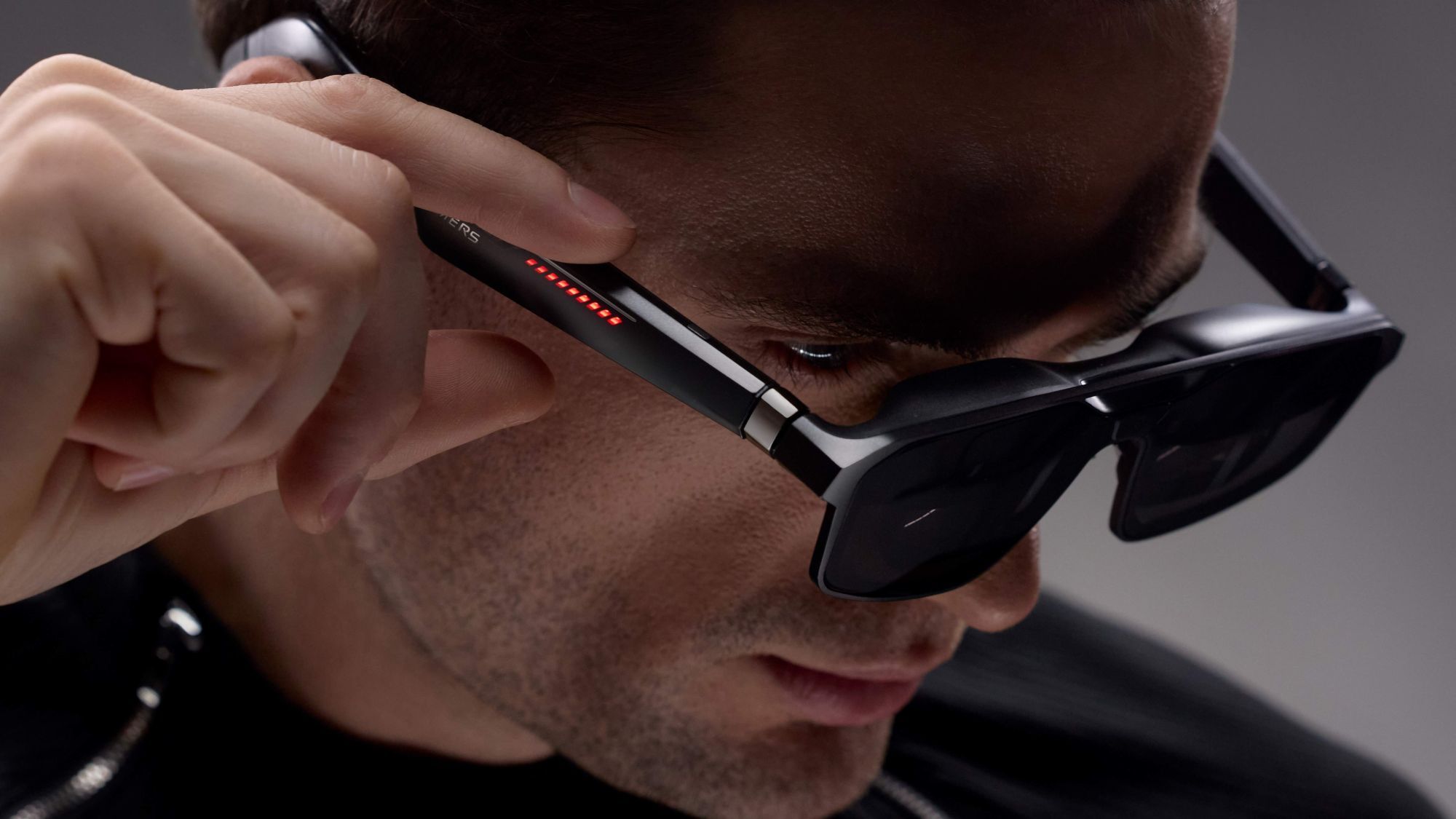
Asus and Xreal announced the ROG Xreal R1 AR gaming glasses, featuring a world-first 240 Hz Micro-OLED panel at 1920x1080 resolution, a simulated 171-inch virtual display, 57° field of view, 3 DoF tracking powered by Xreal's X1 spatial coprocessor, integrated Bose-tuned speakers, electrochromic lenses and a 91 g weight. The glasses offer plug-and-play USB-C connectivity across PCs, smartphones and tablets, native support for Asus's ROG Ally and an optional Control Dock with DisplayPort 1.4 and dual HDMI 2.0 for consoles; shipping is planned for H1 2026 with pricing yet to be disclosed, suggesting limited near-term financial impact but potential upside for Asus and Xreal in mobile gaming and AR consumer adoption.
Market structure: Asus (ASUSTeK 2357.TW) and niche micro‑display suppliers (e.g., EMAN, KOPN) are clear direct beneficiaries if the ROG Xreal R1 achieves consumer traction; console OEMs (SONY, NTDOY) and Meta (META) could see modest displacement in casual/mobile gaming segments. Higher refresh-rate micro‑LED demand implies upward pressure on premium display ASPs and constrained supply early — expect >20% price premium vs. incumbent OLED if yields remain low in H1–H2 2026. Cross‑asset: limited bond/FX impact, but higher beta in small-cap component names and elevated implied vol in related options are likely near product shipping windows.
Risk assessment: Tail risks include micro‑LED yield failure, severe thermal/comfort complaints (product recall), or new privacy regulation in EU/US that limits AR use — each could wipe 30–70% off small suppliers in 3–12 months. Near term (days–weeks) sentiment moves on CES reviews; short term (months) depends on announced MSRP and pre‑order velocity; long term (quarters) depends on ecosystem adoption and software developer support. Hidden dependency: Xreal’s spatial coprocessor supply and micro‑LED fabs are single points of failure.
Trade implications: Favor concentrated, option‑hedged exposure to component suppliers and ASUSTeK ahead of H1 2026 shipments; use 9–12 month call spreads to limit downside and take small protective puts on large platform incumbents (META) as a hedge. Pair trades: long 2357.TW (2–3% portfolio) vs. small (0.5%) put protection on META for 3–6 months. Time: size positions after MSRP announcement or positive hands‑on reviews (within 0–8 weeks) to reduce binary risk.
Contrarian angles: Consensus assumes rapid mass adoption; that’s likely underdone — micro‑LED ASPs and comfort issues can keep volumes niche for 12–24 months. If price >$699 or initial reviews flag latency/comfort, sellers will reprice small caps aggressively; conversely, a sub‑$699 launch with positive latency (<20ms) and >100k pre‑orders in first 30 days would be a catalyst for a >30% re‑rate in suppliers.
AI-powered research, real-time alerts, and portfolio analytics for institutional investors.
Request DemoOverall Sentiment
mildly positive
Sentiment Score
0.30
