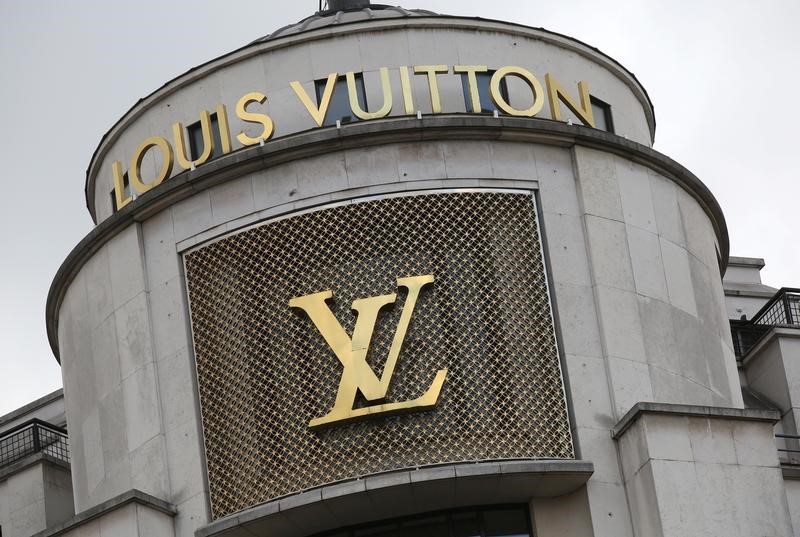
European luxury stocks fell between 0.04% and 2.6% as escalating U.S.-Iran tensions drove broader market weakness and risk aversion. The sector is also under pressure from weaker demand, with recent updates pointing to softer sales in the Middle East and China, reduced tourism, and disrupted airport retail channels. Rising oil prices and geopolitical uncertainty are prompting investors to rotate away from cyclical luxury names.
The first-order move is simple risk-off, but the second-order exposure is to demand elasticity rather than just headline geopolitics. Luxury is vulnerable because it sits at the intersection of discretionary spend, travel flows, and wealth sentiment; that makes it a high-beta proxy for a deterioration in high-end consumer confidence before it shows up in broader retail data. If the conflict lifts oil further, the real P&L drag is not just on margins but on the replenishment cycle for affluent shoppers and tourists whose spending is more itinerary-dependent than income-dependent.
The bigger medium-term issue is channel mix. Brands with heavier exposure to airport retail, Gulf tourism, and mainland China travel retail should underperform peers with stronger domestic, direct-to-consumer, and localized clienteling mix. That creates a relative value opportunity inside the sector: companies with higher fixed-cost store networks and more reliance on destination shopping will see operating leverage work in reverse faster, while those with tighter inventory discipline and stronger pricing power should defend margins better.
The market may also be underestimating the feedback loop between energy and luxury demand. A sustained oil shock tends to hit airline yields, consumer confidence, and cross-border travel before it meaningfully changes headline GDP, so the pain can arrive in earnings revisions 1-2 quarters ahead of visible macro weakness. Conversely, if geopolitical risk de-escalates quickly, this selloff could mean-revert hard because the sector already trades like cyclical duration even though fundamentals are more brand-driven over multi-year horizons.
The contrarian angle is that the move is likely more tactical than structural unless oil and travel restrictions persist. Luxury has historically snapped back after transient geopolitical shocks, especially when positioning is crowded defensively and earnings expectations have already been reset lower. The best risk/reward is therefore not a naked long, but a relative-value long in the names least exposed to travel disruption versus short the most travel-dependent or China-sensitive operators.
AI-powered research, real-time alerts, and portfolio analytics for institutional investors.
Request DemoOverall Sentiment
mildly negative
Sentiment Score
-0.38
