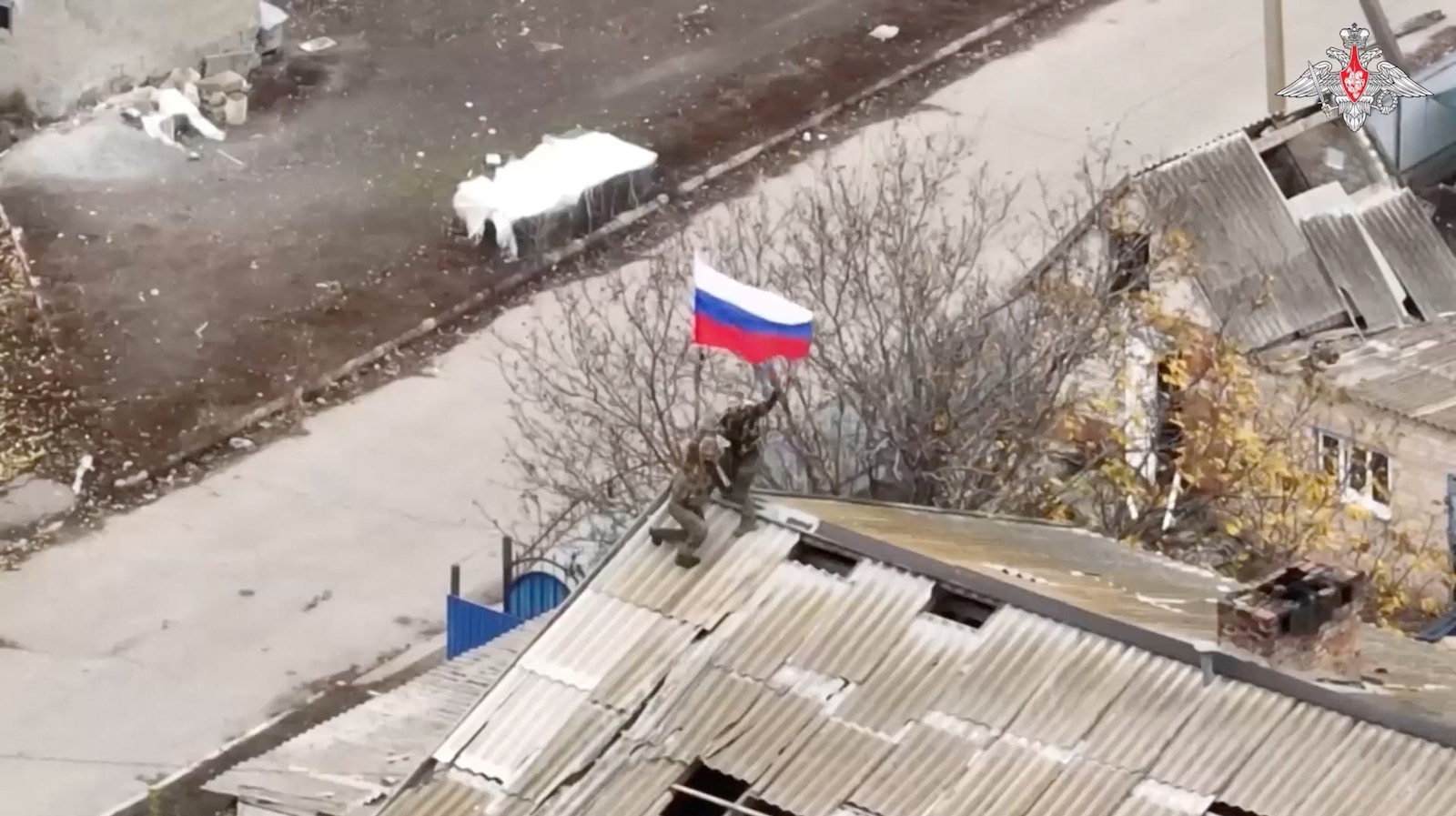
Ukrainian forces have been compelled to withdraw from several positions in the Zaporizhzhia region due to intense Russian assaults, with President Zelenskyy acknowledging the difficult situation and the potential for a significant defeat if Pokrovsk falls. Concurrently, a Russian drone crashed in NATO-member Romania during an attack on Ukraine, highlighting the ongoing regional instability and raising concerns among institutional investors regarding NATO's air defense readiness and resource allocation amidst frequent incursions into its airspace.
Ukrainian forces have executed a tactical withdrawal from several positions in the Zaporizhzhia region, including Novouspenivske and Malokaterynivka, following intense Russian artillery strikes exceeding 400 per day. This retreat, acknowledged by President Zelenskyy as a difficult situation exacerbated by weather conditions, signals a deteriorating front-line dynamic in southeastern Ukraine. The potential fall of Pokrovsk, a city of 60,000, after an 18-month battle of attrition, represents a significant strategic risk and could be one of Ukraine's most serious defeats.
Concurrently, a Russian drone crashed in NATO-member Romania, approximately 3 miles south of the Ukrainian border, during an overnight attack on Ukrainian targets along the Danube. This incident, which prompted the activation of air defense systems and alert messages to residents, underscores the direct geopolitical spillover risks of the ongoing conflict. Such incursions are becoming "almost routine," with Romania recording 11 airspace violations and 30 drone debris falls since February 2022.
The repeated incursions into NATO airspace raise critical questions regarding the alliance's air defense readiness and resource allocation. While Poland has shot down Russian drones, Romania has not, highlighting a varied response strategy within NATO. The challenge lies in the risk-benefit calculus of deploying expensive air defense assets against relatively cheap drones, potentially straining military-industrial bases and arsenals.
AI-powered research, real-time alerts, and portfolio analytics for institutional investors.
Request DemoOverall Sentiment
strongly negative
Sentiment Score
-0.80
