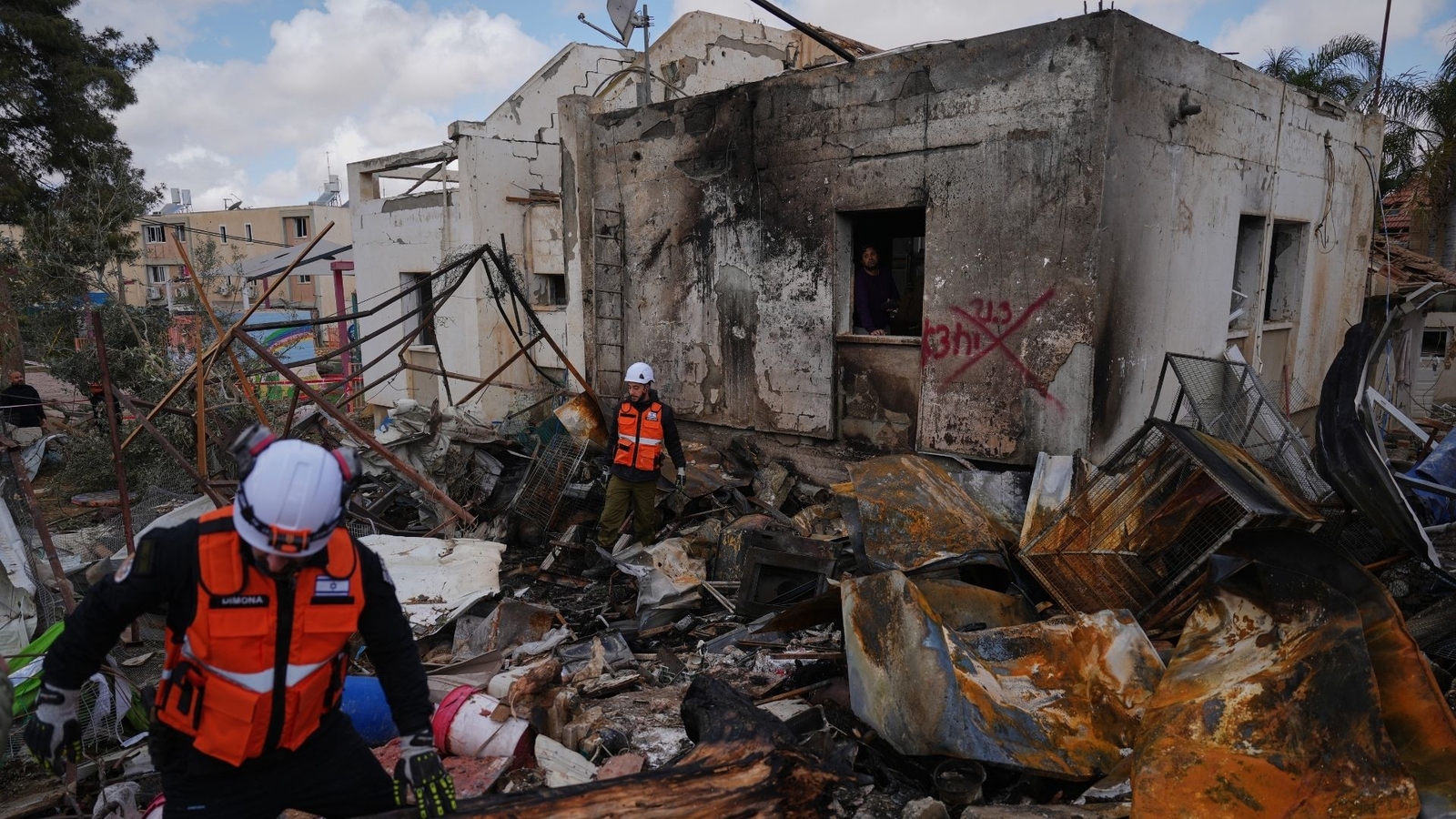
Iran and Hezbollah escalated attacks across Israel while Iran has effectively closed the Strait of Hormuz, a chokepoint carrying roughly one-fifth of global oil supply. The conflict has killed over 1,500 Iranians and at least 15 Israelis, wounded scores (Soroka Medical Center received at least 175), prompted U.S. threats to destroy Iranian power plants (48-hour deadline) and halted most tanker traffic—creating a material global oil supply shock and heightened market volatility.
The immediate market impulse is a logistics and insurance shock more than a pure supply shortage — chokepoint denial forces longer voyages, re-flagging and convoying, which economically converts into higher freight and insurance per barrel that traders and refiners will price into spreads over the next 2–8 weeks. Expect VLCC/Suezmax time-charter and spot rates to spike first, creating outsized cashflow for asset-light tanker owners and spot-exposed physical traders while stranding crude in storage hubs that are already capacity-constrained.
Over a 1–6 month horizon, physical crude prices will be driven by two offsetting mechanisms: (1) marginal scarcity from rerouting and port risks that can push prices materially higher if spare OPEC+ capacity is not redeployed; and (2) policy responses — coordinated SPR releases or Saudi/OPEC incremental output — which can contain peaks but only after a lag. A fully realized asymmetric tail (escalation to attacks on export terminals or Gulf infrastructure) would put structural risk-premia into crude, nat‑gas and refined products and could drive Brent well into triple-digit territory; conversely, a rapid diplomatic de‑escalation would see a violent snap-back in shipping rates and energy volatility within weeks.
Secondary effects matter: refining complex spreads will diverge regionally as sour/light differentials widen, advantaging refiners with flexible crude slates and coking capacity while penalizing coastal refineries tied to Gulf grades. Defense and homeland-security capex cycles accelerate on a multi-year cadence, underwriting durable revenue upgrades for primes even if near-term stock reactions are volatile; re/insurers will face material repricing opportunities but also short-term reserve and capital strain that can compress ROE and create acquisition windows.
AI-powered research, real-time alerts, and portfolio analytics for institutional investors.
Request DemoOverall Sentiment
strongly negative
Sentiment Score
-0.85
