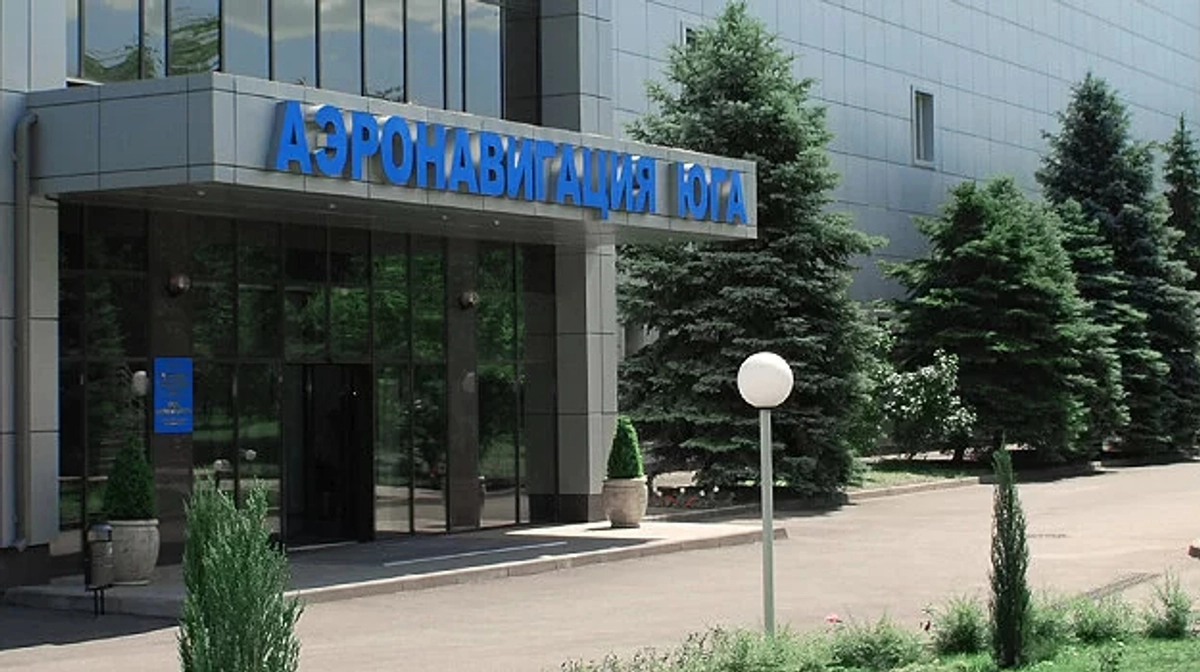
Operations at 13 Russian airports in the south were suspended after a drone strike hit an air navigation building in Rostov-on-Don, disrupting air traffic control across the region. More than 80 flights had already been delayed or cancelled by 10:00, with at least 14,000 passengers waiting to depart and 13 international flights also affected. The disruption is likely to ripple through airlines, airports, and tourism flows in southern Russia.
The market impact is less about the headline shutdown itself and more about the fragility of Russia’s domestic aviation network as a system. Southern Russia functions as a hub-and-spoke layer for leisure traffic, business travel, and military-adjacent logistics; repeated interruptions create cascading schedule compression that airlines cannot recover within a single day, which raises the odds of multi-day revenue leakage and higher reaccommodation costs. The near-term loser is not just the airports, but the broader domestic travel ecosystem: tour operators, regional hotels, and ancillary transport operators face a sharp drop in same-week booking conversion and a spike in cancellations.
A second-order effect is route substitution. If southern capacity remains impaired for several days, traffic will be pushed toward rail and intercity ground transport, but those channels have limited elastic capacity and longer travel times, meaning some demand is permanently lost rather than delayed. That tends to hurt discretionary leisure demand first, then bleed into cargo and time-sensitive business travel if disruptions persist beyond a week. Repeated drone-related interruptions also force higher security, insurance, and operational contingency costs, which can quietly compress margins even after flights resume.
The bigger geopolitical read-through is escalation risk embedded in infrastructure targeting. The practical ceiling on Russian aviation resilience is lower than headlines suggest because ATC and airport operations are centralized enough that damage at one node can radiate across many assets; that makes future interruptions more likely if the campaign persists. Over days, the trade is risk-off for Russia-exposed travel assets; over months, the more durable impact is a persistent discount on regional mobility, tourism throughput, and related consumer spending in the south.
Consensus may overestimate how quickly the system normalizes after each incident. The underappreciated issue is not one day of delays, but the cumulative effect of repeated schedule unreliability on forward bookings and operator confidence, which can depress demand even after operations restart. If this becomes a weekly pattern, the market should start pricing in a structural capacity discount rather than an episodic shock.
AI-powered research, real-time alerts, and portfolio analytics for institutional investors.
Request DemoOverall Sentiment
strongly negative
Sentiment Score
-0.55
