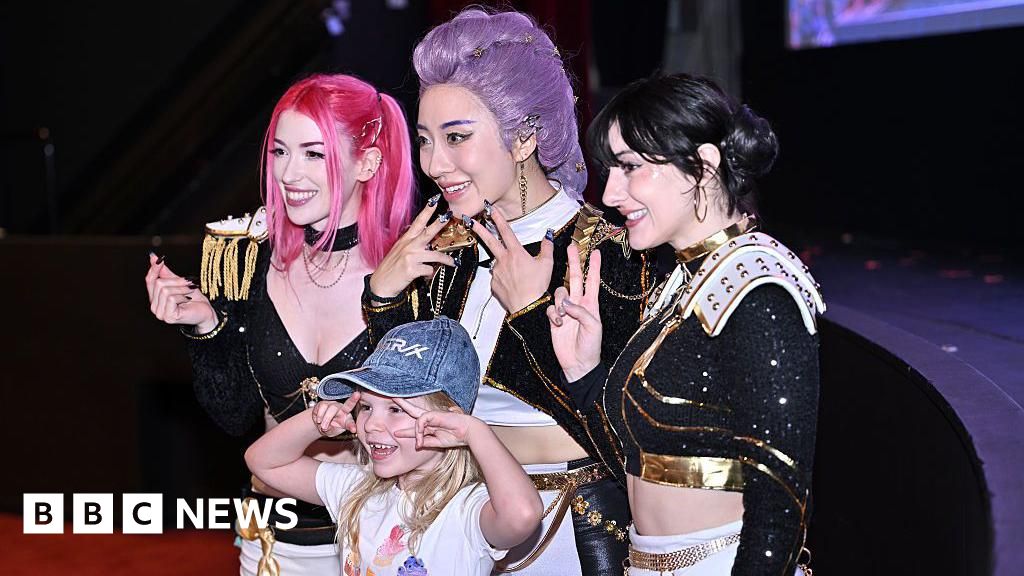
Kpop Demon Hunters won Best Animated Film at the Oscars (adding to prior Golden Globe wins and a Grammy milestone), driving unexpected global virality since its Netflix release. The soundtrack and characters have generated strong consumer demand—children exchanging merchandise and retailers now racing to produce toys after initially weak interest from merchants. Implication: potential incremental revenue upside for rights holders (streaming, soundtrack, and merchandise) though no financials disclosed; impact on listed equities is likely small absent material licensing or distribution deals.
The biggest non-obvious lever here is IP monetization: Netflix created a global cultural hit but retail interest was initially “soft,” leaving a multi-quarter white space for licensed merchandise. Fast-moving licensors and nimble toy firms (short lead times, flexible offshore tooling) can capture the early revenue pool; expect product launches, card/photo collectibles and apparel to roll out in 3–9 months once licensing deals are struck.
From a platform economics view, the consumer engagement lift is valuable but modest in isolation — a sustained 10–100 bps reduction in monthly churn equates roughly to ~$40M–$400M of incremental revenue annually (using global ARPU ~ $15/mo), so the stock impact hinges on whether engagement is transient or becomes franchise-driven. The crucial monetization inflection is whether Netflix keeps IP control (subscriber value) or outsources licensing (third-party margin capture); either path has distinct P/L timing and capex implications over 6–24 months.
Downside catalysts are clear: failed or delayed licensing deals, retail oversaturation that suppresses pricing, or K-pop-rights holders (labels/promoters) capturing live/physical revenue streams instead of Netflix. Reputational risks (cultural backlash or overexposure) can compress soundtrack streams and blunt merchandising demand within months.
Contrarian angle: consensus celebrates Netflix as sole winner, but history shows platform-originated IP often transfers most durable margin to licensees and live-event promoters. If Netflix remains conservative on licensing, merch and concert revenues will accrue disproportionately to speciality licensors and music-rights incumbents — tradeable within a 3–18 month window.
AI-powered research, real-time alerts, and portfolio analytics for institutional investors.
Request DemoOverall Sentiment
moderately positive
Sentiment Score
0.60
Ticker Sentiment
