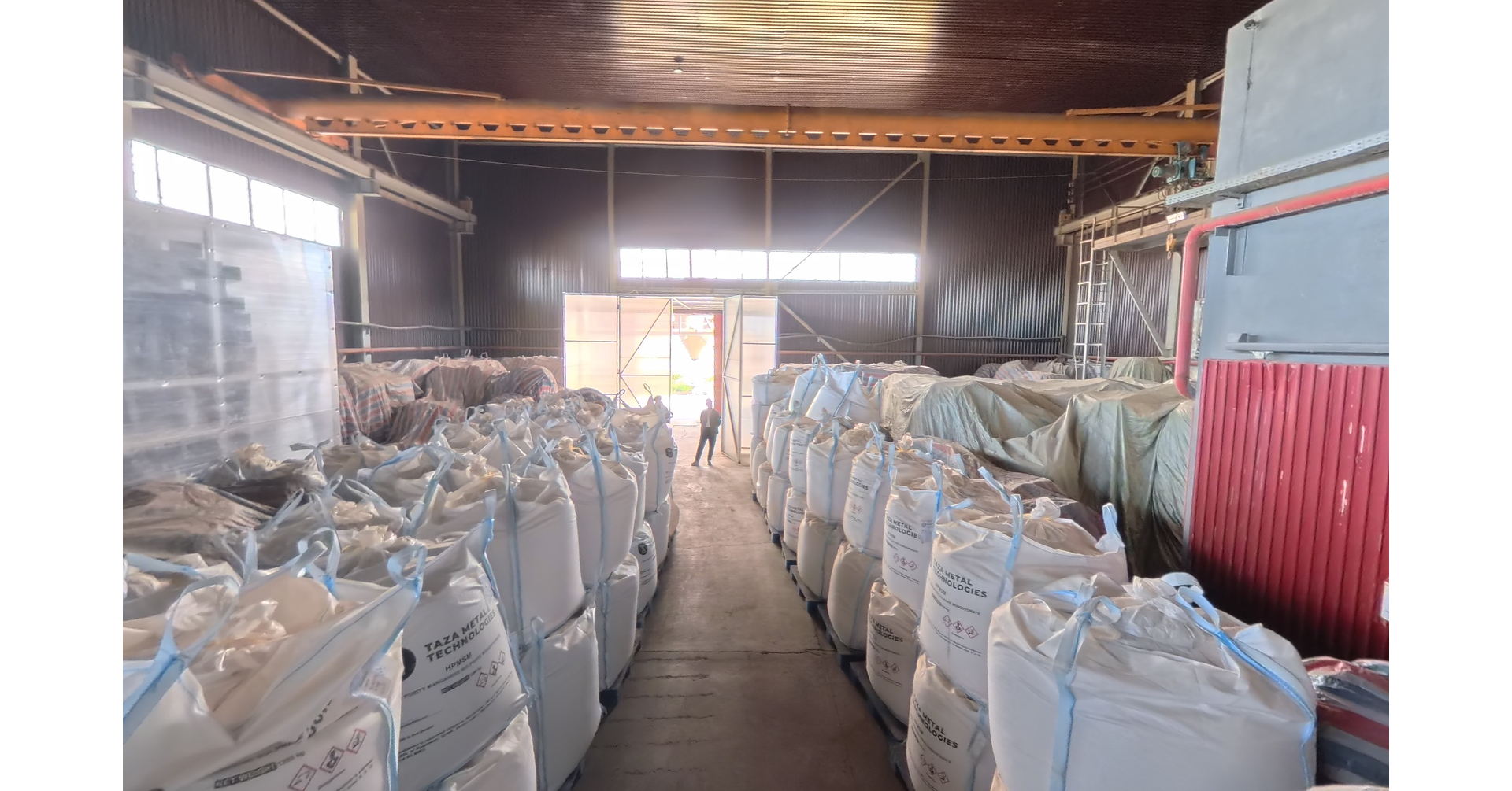
Lindian Resources will acquire 100% of the SARECO MREC hydrometallurgical facility in Stepnogorsk, Kazakhstan, for $20 million cash, completing its move from 51% to full ownership. The facility is targeting first MREC processing in Q4 2026 and offers 96% NdPr recovery (validated by ANSTO), while Lindian notes it is fully funded after a recent A$100 million institutional capital raise to reach Kangankunde → MREC first cash flows. Management highlights a capital-efficient pathway into downstream processing and strong inbound customer interest from the US, Europe, and Japan.
This is primarily an option on downstream bottleneck scarcity, not a near-term earnings rerate. The strategic value comes from controlling a rare non-China processing node with existing infrastructure, which can support premium payabilities and customer qualification far faster than greenfield builds; that matters most if Western end-users are still underallocated to ex-China supply over the next 6-18 months. The market may still underappreciate how much of the valuation uplift comes from being a tolling/processing gatekeeper rather than simply a miner.
The second-order winner is the broader non-China rare earth ecosystem: every credible processing asset reduces counterparty risk for OEMs, magnet makers and government-linked offtakers, which should improve financing terms for adjacent projects and potentially compress required returns for downstream developers. MP is the cleaner listed proxy with operational scale, but this announcement does not change global supply in a meaningful way; it mostly adds another strategic asset that can intensify competition for feedstock and customer attention.
Key risks are execution and timing. If commissioning slips beyond Q1 2027, if recoveries fail to replicate lab-scale performance in sustained runs, or if feedstock availability is weaker than expected, the strategic thesis de-risks less than the market will want. The contrarian view is that the replacement-cost argument is seductive but not directly monetizable until there is repeatable throughput, qualified customers and evidence that pricing power exceeds operating complexity.
AI-powered research, real-time alerts, and portfolio analytics for institutional investors.
Overall Sentiment
strongly positive
Sentiment Score
0.55
Ticker Sentiment
