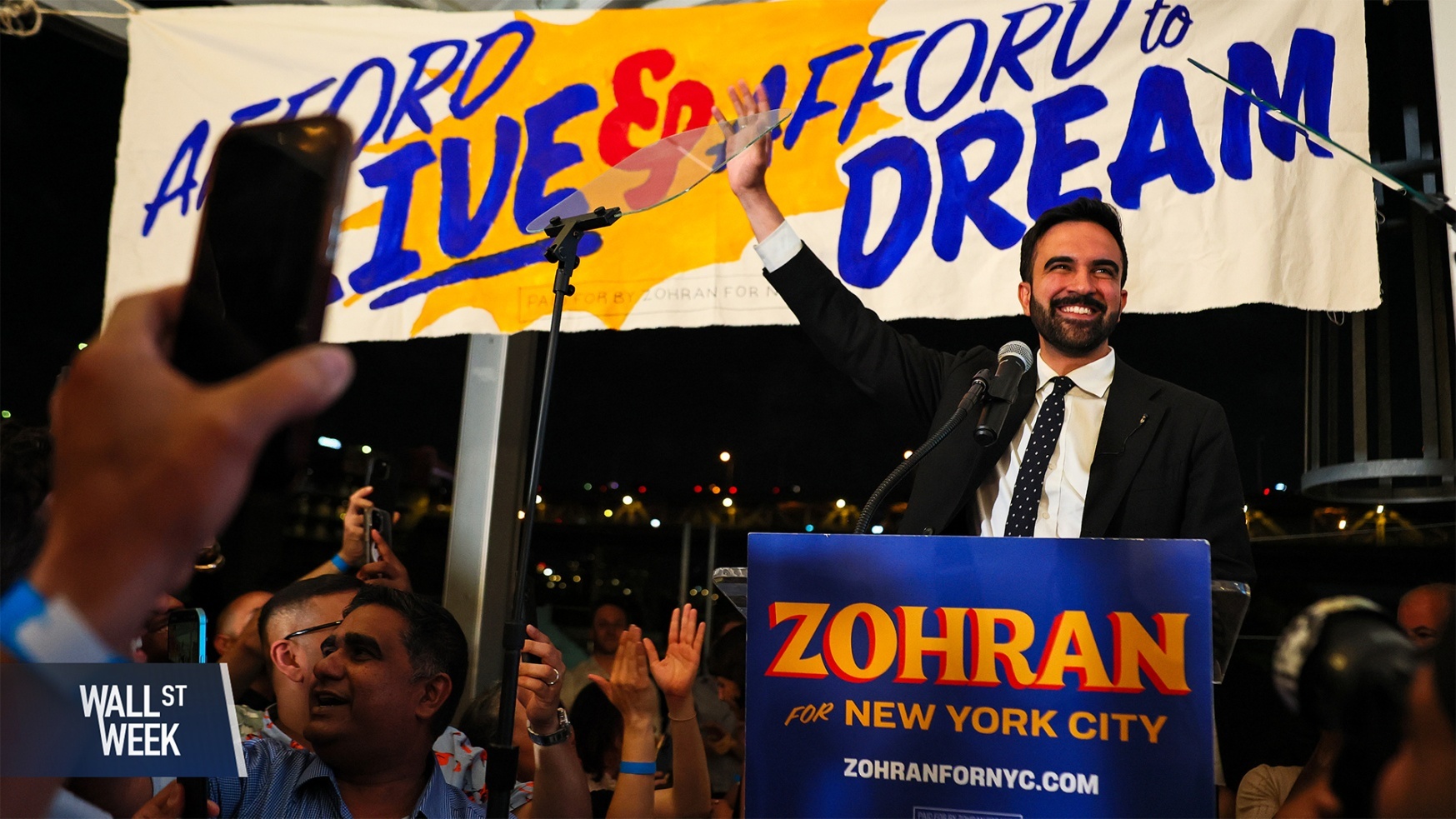
Recent discussions on Wall Street Week highlighted the significant economic implications of escalating Middle East tensions, particularly how the Israel-Iran conflict could reshape the global economic landscape. The program also addressed the Congressional Budget Office's role and challenges amidst ongoing criticism, underscoring critical aspects of U.S. fiscal policy and market stability.
Recent market discourse, as highlighted on Wall Street Week, is dominated by significant macroeconomic risks, contributing to a strongly negative sentiment and a high market impact outlook. The primary concern is the escalating Israel-Iran conflict, which is seen as having the potential to fundamentally reshape the global economic landscape, likely through disruptions in energy markets and supply chains. This external geopolitical shock is compounded by domestic fiscal policy uncertainty, evidenced by discussions surrounding the Congressional Budget Office's (CBO) role and the criticism it faces. This focus on the CBO underscores deep-seated concerns about the U.S. fiscal trajectory and the credibility of official economic projections, adding another layer of volatility for investors to navigate.
AI-powered research, real-time alerts, and portfolio analytics for institutional investors.
Request DemoOverall Sentiment
strongly negative
Sentiment Score
-0.60
