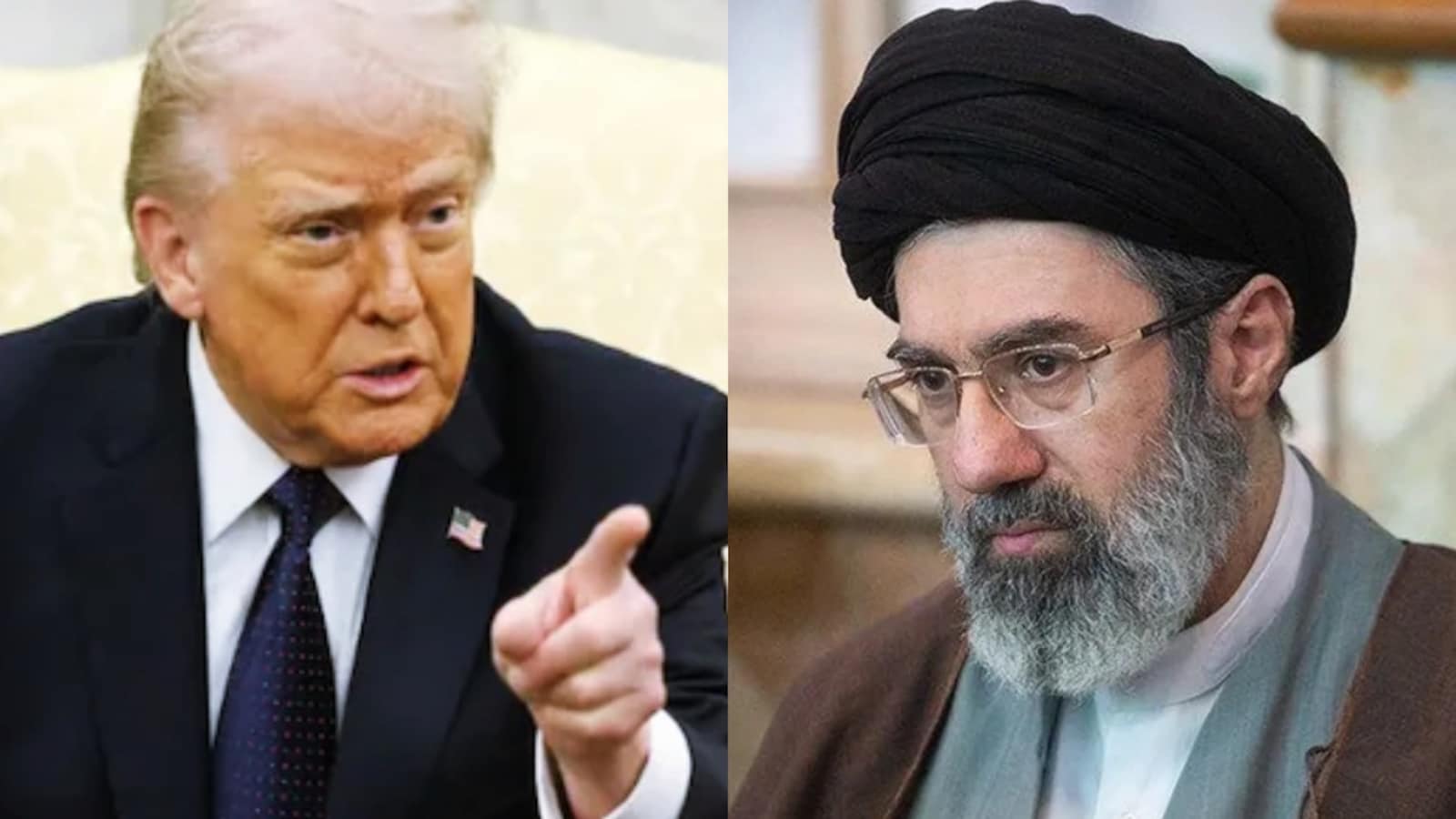
Mediators say Iran and the US have agreed in principle to a 60-day ceasefire extension and talks on Iran's nuclear program, but final approval from President Trump is still pending and language differences remain unresolved. The draft reportedly includes free shipping through the Strait of Hormuz, Iran clearing mines within 30 days, phased lifting of a US naval blockade, sanctions relief discussions, and a possible $300 billion reconstruction/investment fund. If confirmed, the deal would materially reduce Middle East escalation risk and could affect oil/shipping flows and regional defense dynamics.
The first-order market read is lower geopolitical risk premia, but the bigger second-order effect is the repricing of shipping optionality and defensive supply chains. If even a partial de-escalation sticks, insurers, tanker operators, and Gulf logistics beneficiaries should see a faster normalization than upstream energy does in reverse, because freight and war-risk premiums can compress in days while physical barrels reprice over weeks. The market is likely underestimating how much of the current energy bid is tied to tail-risk hedging rather than spot fundamentals.
The key catalyst is not the signature itself but compliance over the next 2-8 weeks: mine removal, shipping flow restoration, and whether both sides define “blockade lift” the same way. Any mismatch between rhetoric and implementation would create a classic fade-the-headline setup, with crude and defense names retracing quickly if traffic through Hormuz fails to normalize. Conversely, successful traffic restoration would force systematic de-risking from geopolitical longs and could pressure oil volatility more than outright price.
The contrarian angle is that the proposed economic opening may become the real constraint, not the ceasefire language. If sanctions relief or a reconstruction mechanism gets serious, the winners could shift from pure commodity exposures to US and international industrials, engineering, and logistics firms with Iran re-entry optionality over a 6-18 month horizon. The market may be pricing only the removal of downside, not the possibility of a gradual normalization trade that benefits non-energy cyclicals and hurts the scarcity premium embedded in crude.
The main tail risk is a failed or ambiguous MoU followed by a rapid return of blockade rhetoric, which would likely re-tighten shipping and lift oil sharply within days. That makes this more of a volatility event than a clean directional macro call until the next 1-2 verification milestones are visible.
AI-powered research, real-time alerts, and portfolio analytics for institutional investors.
Request DemoOverall Sentiment
neutral
Sentiment Score
0.10
Ticker Sentiment
