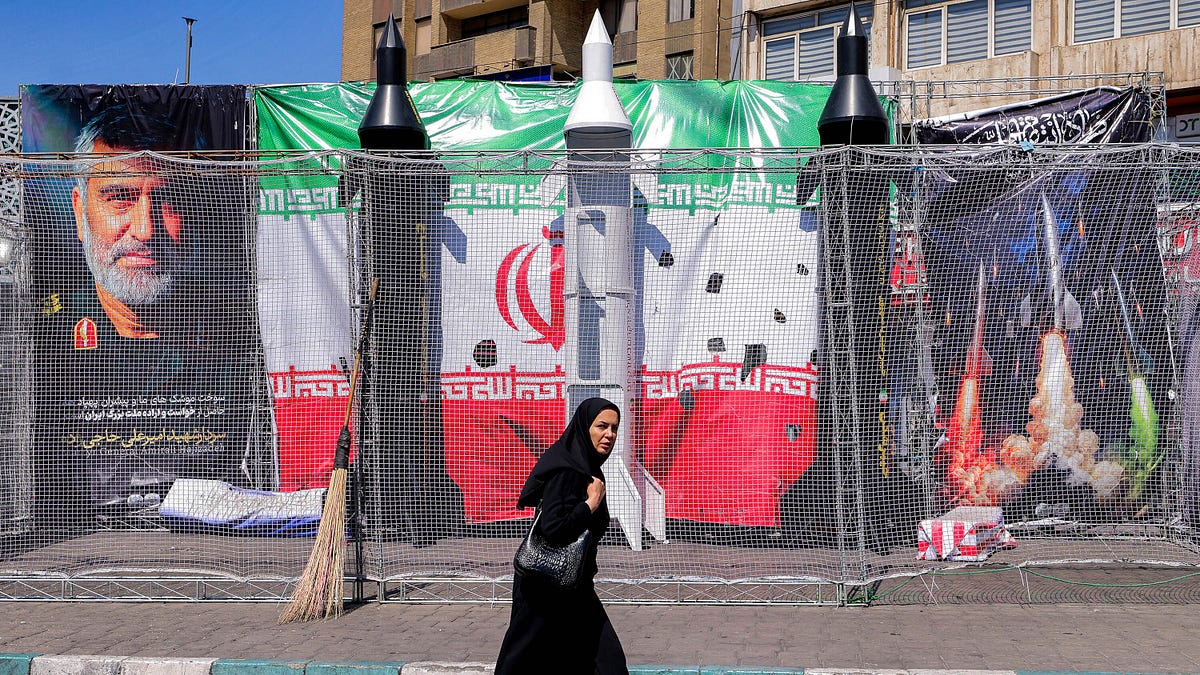
The article argues that U.S. assessments of damage to Iran are uncertain and that visible military strikes may not be hitting Iran's true centers of gravity, including the IRGC, clerical institutions, and economic chokepoints like the Strait of Hormuz. It highlights the risk that Iran can absorb conventional losses while shifting to asymmetric tools such as drones, missiles, proxies, and leverage over global energy flows. The piece is strategic commentary rather than new data, but it implies meaningful geopolitical and oil-market risk if conflict escalates.
The market’s biggest mistake here is treating the conflict as a clean inventory-destruction story when the real transmission mechanism is risk premia. Even if kinetic damage to launchers or depots is real, the larger second-order effect is a persistent re-rating of shipping, energy logistics, and regional air/sea insurance because the regime’s leverage comes from ambiguity, not only firepower. That means the immediate winners are less the obvious defense primes and more the firms that monetize elevated volatility in the Gulf and Red Sea corridors.
The more dangerous setup is not a straight-line spike in crude, but a sequence of rolling disruptions that keep spot energy elevated while allowing inventories to cushion headlines. That tends to be bullish for front-month crude and refined products, but less durable for longer-dated oil if physical exports are not structurally impaired. The market should also watch FX: any move that pressures U.S. growth expectations through gasoline or freight inflation can flatten real yields and weaken the dollar at the margin, supporting gold and selective EM energy exporters.
The contrarian risk is that a lot of the visible military damage becomes a psychological victory for the attacker while leaving Iran’s asymmetric toolkit intact, which would cap the upside in broad defense equities and instead create an extended volatility regime. In that case, the right expression is not a naked long on geopolitics, but long volatility and relative value: own assets that benefit from uncertainty persistence, not just headline escalation. If the conflict de-escalates diplomatically, those same risk premiums can unwind quickly over days, so timing matters more than conviction here.
AI-powered research, real-time alerts, and portfolio analytics for institutional investors.
Request DemoOverall Sentiment
neutral
Sentiment Score
-0.10
