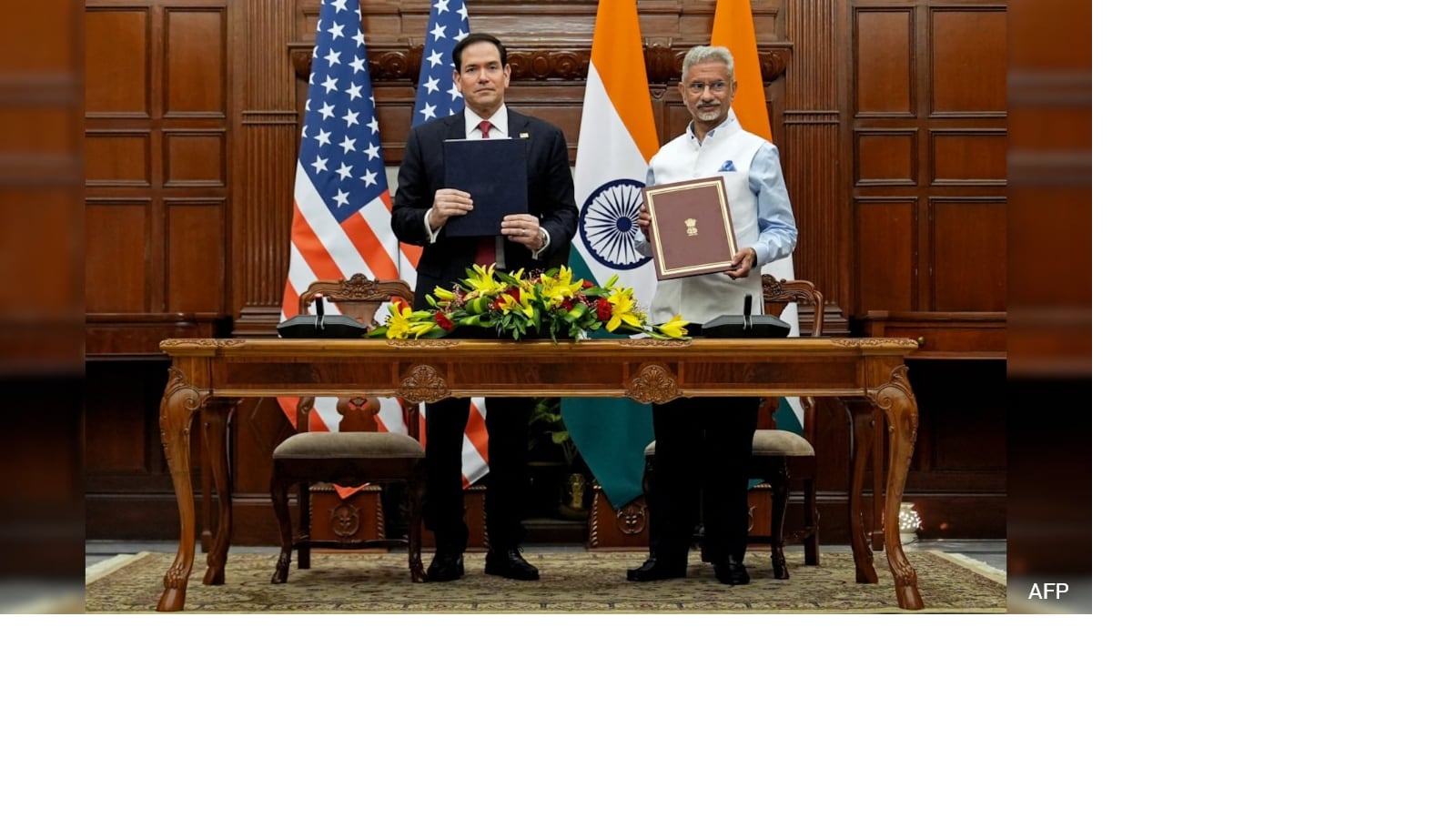
The US and India signed a framework to secure critical minerals and rare earth supply chains, covering mining, processing, recycling, and related investment. The deal is aimed at reducing dependence on China, which processes about 90% of global rare earth supply and accounts for roughly 70% of mining. India says it holds reserves of 30 critical minerals, and the Quad separately pledged up to $20 billion in public and private capital to bolster supply chains.
This is less about near-term commodity scarcity than about a multi-year reconfiguration of who captures margin in the critical-minerals stack. The first-order winners are not necessarily miners; they are processors, separation specialists, magnet makers, recycling platforms, and equipment suppliers that sit one step removed from raw ore and are harder to replicate than deposits themselves. That shifts attention toward industrials and specialty chemicals with proven hydrometallurgy, solvent extraction, and downstream qualification capability rather than pure-play explorers with long lead times and financing risk.
The second-order effect is that India is trying to convert geological optionality into strategic leverage before prices normalize. If the corridor buildout works, it creates a low-cost option for U.S. OEMs to diversify away from single-country processing, but the bottleneck is still permitting, environmental compliance, and power/logistics buildout, which makes the first meaningful supply relief more likely in 18-36 months than in the next few quarters. In the interim, any rally in upstream juniors should be treated as policy-premium compression risk: the market may overprice reserve assets while underpricing execution friction and capex intensity.
The main contrarian miss is that “de-risking” can initially be inflationary for end-users. Dual-sourcing and onshoring of magnets, refining, and recycling usually raises unit costs before it improves resilience, which is mildly negative for battery, EV, industrial automation, and defense margins over the next 12-24 months. Meanwhile, Chinese incumbents are not powerless; they can defend share via price cuts or by selectively easing exports, which would compress the political urgency premium and punish low-quality Western development stories fastest.
AI-powered research, real-time alerts, and portfolio analytics for institutional investors.
Request DemoOverall Sentiment
mildly positive
Sentiment Score
0.20
Ticker Sentiment
