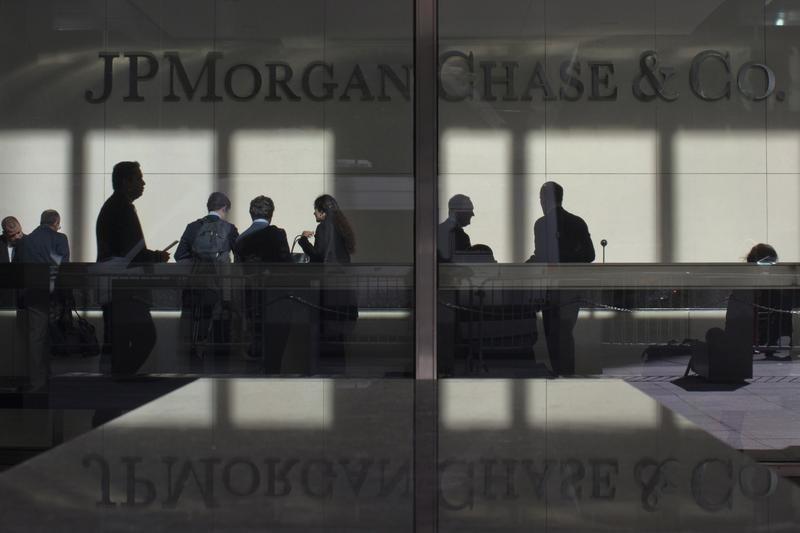
JPMorgan downgraded Bank Central Asia to Neutral from Overweight and cut its price target to IDR 6,000 from IDR 7,600, citing 2026-28 earnings estimates lowered by 2% and profit pressure from 31 bps quarter-over-quarter NIM compression and 70 bps gross credit costs in Q1 2026. The bank now trades near its 52-week low at $8.80 versus $8.67, down 28% over six months, with JPMorgan warning that non-interest income and costs may not fully offset margin headwinds. The brokerage also shifted its target horizon to June 2027 and remains cautious on several other Indonesian banks.
The key signal is not the downgrade itself but the market admitting that Indonesian banks are transitioning from re-rating stories to earnings-delivery stories. When margin compression and credit normalization coincide, the factor exposure shifts away from beta and toward balance-sheet quality; that usually favors the most defensively funded franchise and penalizes lenders whose valuation had embedded perpetual above-peer ROE. In that setup, high-yield support becomes less of a cushion and more of a signal that investors are reaching for carry while revising down growth expectations.
Second-order, a softer outlook on the sector can widen the valuation gap between “quality compounders” and balance-sheet-heavy lenders over the next 3-6 months. If loan growth slows before funding costs fully reprice, banks with sticky deposit franchises and fee-income mix should defend earnings better than pure spread models. The risk is that the market extrapolates one quarter too far: if credit costs normalize faster than feared, the de-rating could reverse sharply because these names are already trading near long-run trough multiples.
The contrarian read is that this may be more about timing than thesis. A 4-8% estimate cut is material, but not enough to justify a structural bearish call unless the macro cycle weakens again; in that case, the real downside comes from multiple compression, not earnings. That means the best risk/reward is probably relative value, not outright shorting: fade the most expensive balance-sheet risk and own the banks with better deposit stickiness and lower sensitivity to NIM pressure. The path to a bounce is straightforward — any sign that credit costs are peaking or non-interest income reaccelerates should trigger a fast sentiment reversal because positioning is already defensive.
AI-powered research, real-time alerts, and portfolio analytics for institutional investors.
Request DemoOverall Sentiment
moderately negative
Sentiment Score
-0.35
Ticker Sentiment
